Hair nutrition addresses a fundamental structural need—the hair shaft is composed of 90% keratin surrounded by intercellular lipids (18-MEA) that maintain the cuticle’s cohesion. When these lipids are depleted (due to heat, coloring, UV rays, or friction), the cuticle lifts and the hair becomes porous. Hair porosity determines the appropriate type of nourishing treatment:
Vitamin B8 (biotin) is the essential micronutrient for keratin synthesis—a deficiency leads to brittle, dull hair and slowed growth.
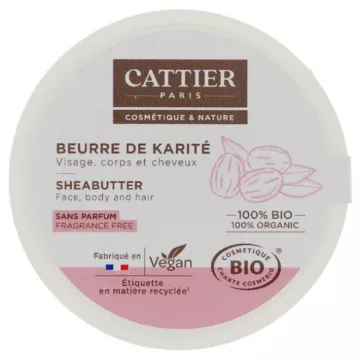
Shea butter (Butyrospermum parkii, 40–55% stearic acid, 35–45% oleic acid, rich in unsaponifiables—lupeol, α-amyrin)—penetrates the porous hair cortex while simultaneously forming an occlusive film on the cuticle’s surface; it is the go-to nourishing ingredient for dry, frizzy, and severely damaged hair. Cupuaçu butter (rich in phytosterols and essential fatty acids) is a complementary emollient that deeply moisturizes and improves suppleness and shine. As a pre-shampoo treatment, pure shea butter applied to dry hair for 20 to 30 minutes before washing delivers maximum deep nourishment—the heat from a warming cap enhances the penetration of the active ingredients.
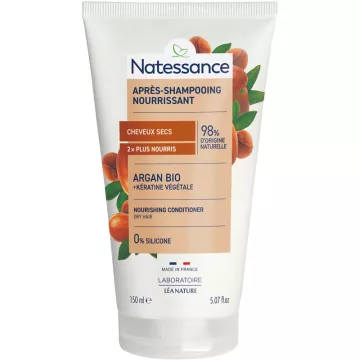
Argan oil (46% oleic acid, 35% linoleic acid, vitamin E, squalene) is one of the most balanced hair oils—it partially penetrates the porous hair fiber and forms a non-greasy protective film on the surface. It is suitable for all dry to normal hair types.Coconut oil (45–50% lauric acid, small molecule) penetrates deepest into the hair cortex—ideal as a pre-shampoo treatment (30 to 60 minutes on dry hair) to reduce fiber swelling upon wetting and protect the keratin structure. Not recommended as a finishing treatment on fine hair. The combination of argan (light finish) and coconut (nourishing pre-shampoo) covers the two key phases of hair nourishment.
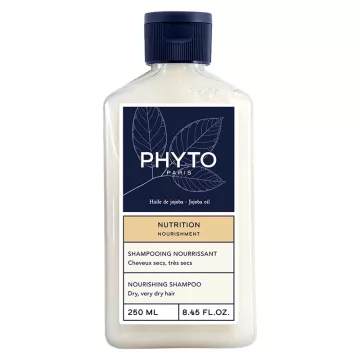
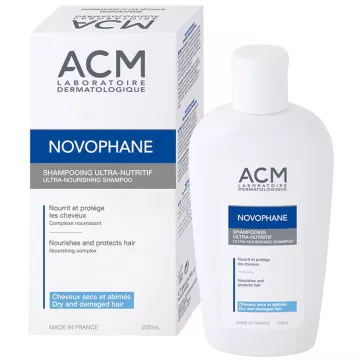
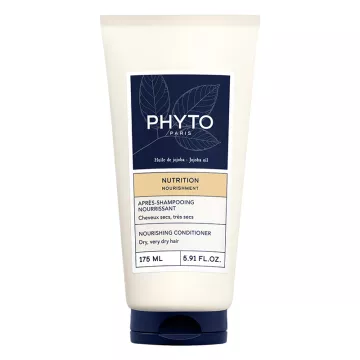
Nourishing shampoos (1–3-minute contact time) provide moderate surface nourishment—their main role is to cleanse without exacerbating dehydration. Nourishing conditioners are the most effective treatments for daily use—their reverse emulsion formula allows the active ingredients (butters, proteins, oils) to penetrate wet hair for 2 to 5 minutes and settle on the cuticle, smoothing the scales, making detangling easier, and protecting the hair fiber. Intensive nourishing masks (10 to 30 minutes, with gentle heat) should be reserved for very damaged hair, used 1 to 2 times a week for deep nourishment.
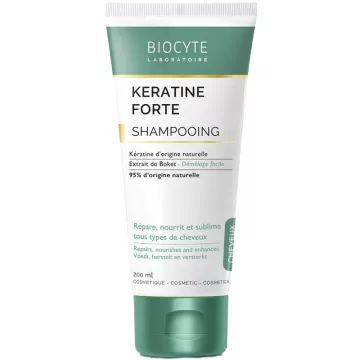
Hydrolyzed keratin treatments (peptides with molecular weights of 1,000–5,000 Da) penetrate the porous hair fiber and temporarily fill gaps in the keratinized structure—they mechanically strengthen the hair, reduce breakage, and improve hair elasticity. Hydrolyzed silk and wheat proteins have similar effects. Over-proteinizing low-porosity hair can make it stiff and brittle (protein saturation)—alternate between protein treatments and pure moisturizing treatments. Hair loss due to nutritional deficiencies (biotin, zinc, iron) responds well to internal nutrition (targeted dietary supplements) combined with nourishing external treatments.