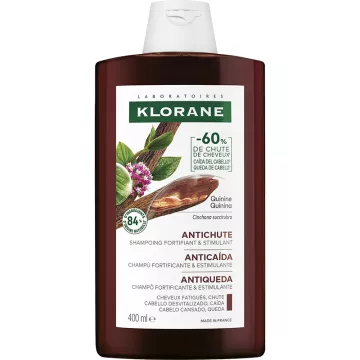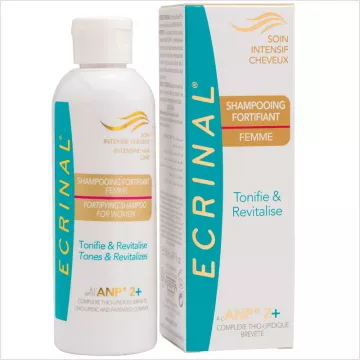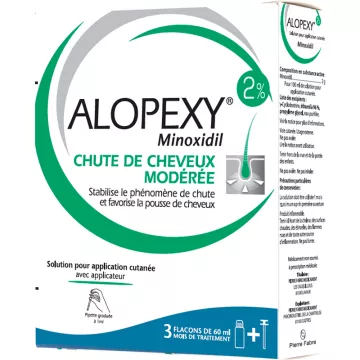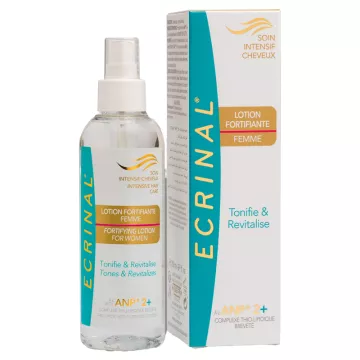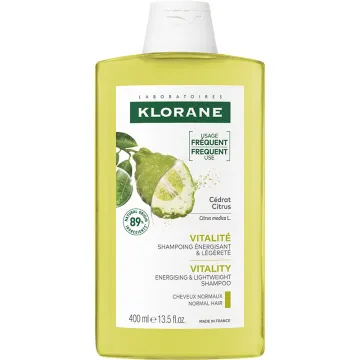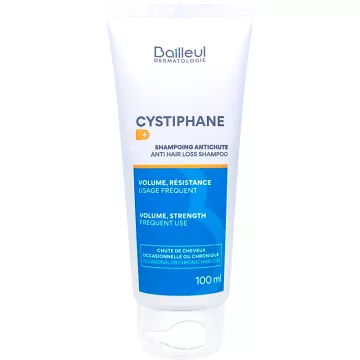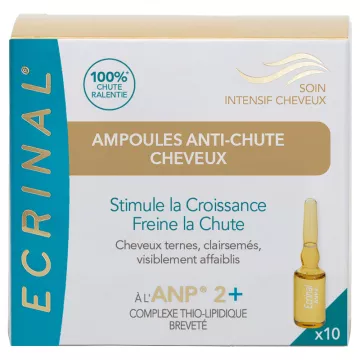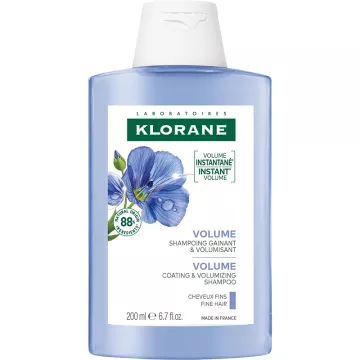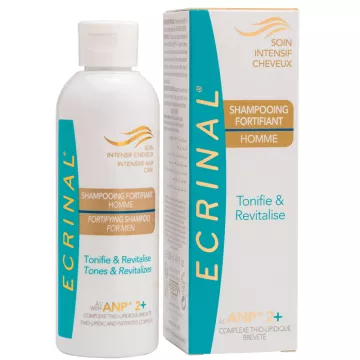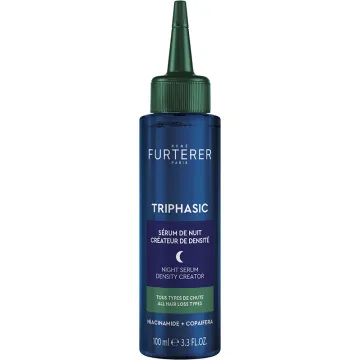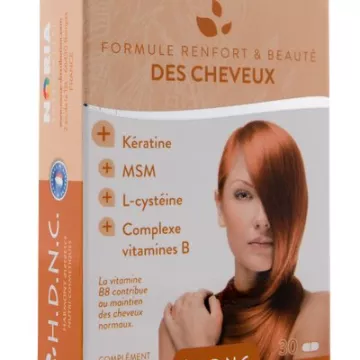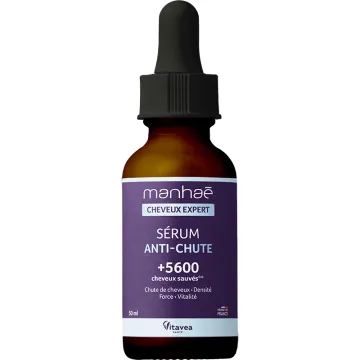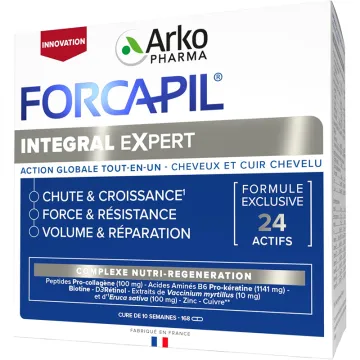
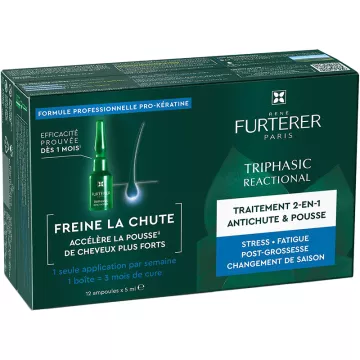
Hair density refers to the number of hairs per square centimeter of scalp, averaging between 150 and 300 depending on the area and the individual. This figure is distinct from the thickness of each individual hair: two people can have hair of comparable diameter yet have very different densities. A redensifying shampoo specifically targets this quantitative aspect by supporting follicle health rather than just the hair’s texture.
Thinness refers to the diameter of each individual hair, a personal and largely genetic trait that does not vary significantly during adulthood unless subjected to chemical treatments. Density, on the other hand, reflects the number of active follicles on the scalp and can change with age, hormonal fluctuations, or an episode of hair loss. A very low, localized density can eventually lead to baldness if the process of follicular miniaturization progresses without treatment.
Aging of the hair follicle, hormonal fluctuations (postpartum, menopause, thyroid dysfunction), and episodes of reactive hair loss are among the most common causes of decreased density. Unlike acute and reversible hair loss, age-related hair density loss is generally gradual and affects the entire scalp rather than a localized area.
Certain nutrients help maintain normal hair growth. Vitamin B8 (biotin) contributes to the normal metabolism of macronutrients involved in keratinization, while iron plays an essential role in oxygenating the hair follicle: iron deficiency is a common and underdiagnosed cause of reduced hair density, particularly in women.
Beyond basic hair care, certain styling tips can instantly create the impression of increased density: a layered cut that adds movement, a slightly off-center part that prevents the center line from lying flat, and the occasional use of volumizing powders or sprays that temporarily conceal thinner areas. Zinc effectively complements iron intake to support the overall health of the hair shaft alongside these styling techniques.
A rapid decrease in density—whether localized in patches or accompanied by itching and redness of the scalp—warrants a dermatological consultation to rule out specific causes (alopecia areata, severe deficiency, hormonal imbalance). Apart from these warning signs, a hair regrowth treatment regimen may be considered alongside a nutritional assessment to support hair density over several months.