What is the olfactory pyramid, and how do you analyze a fragrance?
Choosing a perfume without understanding its structure is like judging a book by its cover—the first 5 seconds after spraying don’t tell the whole story. The fragrance pyramid breaks down a perfume into three temporal layers that unfold in succession.
- Top notes (0–30 min): the most volatile—citrus, light herbs, marine notes—the first impression that draws you to the bottle but doesn’t last
- Heart notes (30 min–4 hours): the heart of the fragrance—flowers, spices, fruits—what you actually smell throughout the day and what defines the fragrance’s “personality”
- Base notes (4 hours and up): woods, musks, amber, resins—the lingering scent trail and signature—see our sensual fragrances for warm base note families
- Buying tip: Never choose a perfume based on the top notes alone—test it on your skin for at least 2 hours before deciding
Which concentration should you choose based on intended use and desired longevity?
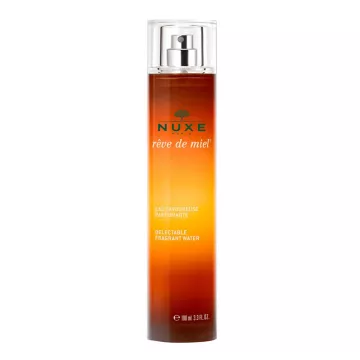
The concentration of fragrance compounds (essential oils, absolutes, synthetic molecules) in the alcohol-based solvent directly determines the fragrance’s longevity and intensity. The same principle applies to light, fresh perfumes as well as to more intense fragrances.
- Eau de Cologne (EDC): 2–5% concentrate — immediate freshness, lasts 1–2 hours — ideal for use in the bath or shower or after exercise
- Eau de Toilette (EDT): 5–15% — balance between lightness and longevity (3–5 hours) — the most common format for everyday use
- Eau de Parfum (EDP): 15–20% — broader sillage, 5–8 hours — more prominent heart and base notes
- Parfum Extrait / Parfum: 20–40% — the most concentrated and longest-lasting (8–12 hours) — apply sparingly; just a few drops are enough
- Dry skin: Choose a higher concentration—dry skin “absorbs” the fragrance faster than well-hydrated skin
How do you apply perfume properly to maximize its longevity?
How you apply the fragrance affects its longevity just as much as the concentration you choose—a few simple rules make a real difference, especially when paired with a well-chosen deodorant for consistent, all-over freshness.
- Pulse points: the nape of the neck, wrists, inner elbows, behind the knees, and the hollow of the collarbone — body heat gradually releases the fragrance throughout the day
- Moisturized skin: Apply after using an unscented body cream—the fragrance molecules adhere better to the lipid layer—see our moisturizing line
- Do not rub your wrists after application—friction breaks down the top notes and disrupts the olfactory pyramid
- Spray from 15–20 cm away from the skin—too close concentrates the fragrance in one spot, too far disperses it into the air
- On hair: the scent trail is more subtle but long-lasting—avoid strong alcohol-based formulas that dry out the hair
How can you create a personal scent blend through layering?
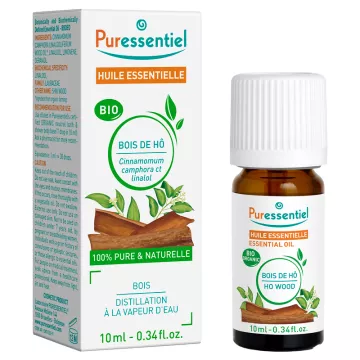
Layering involves combining several fragrances to create a unique signature—a technique used by perfumers and accessible to everyone.Aromatherapy also offers neutral bases (vegetable oils) for creating your own blends with essential oils like lavender.
- Start with a common fragrance family between the two perfumes—a fruity accord + a floral accord work better than a citrus + a heavy oud
- Apply the lighter one first (dominant top notes), then the heavier one on top (base notes)—body heat will gradually blend them together
- Shower gel + body lotion + eau de toilette from the same fragrance family: layering different formats enhances the longevity and complexity of the scent trail
- Test on a strip first—some combinations that seem logical create unexpected olfactory clashes
- Store perfumes in their original packaging, away from light and at a stable temperature—UV rays and heat irreversibly oxidize the aromatic molecules