What defines a sensual fragrance from an olfactory perspective?
A sensual fragrance differs from fresh fragrances in its warm, deep, and lingering base notes—low-volatility molecules that form the scent trail and leave a lasting olfactory impression. These families contrast with the lightness of citrus or marine scents, creating a more enveloping presence.
- Oriental family: vanilla, amber, resins (myrrh, benzoin), Tolu balsam—sweet, warm, and very long-lasting notes—the most “enveloping”
- Woody family: sandalwood, cedar, vetiver, oud (agarwood)—deep, dry notes—sophistication and mystery—oud is one of the most precious raw materials in perfumery
- Musk: now synthetic (white musks such as Galaxolide, Habanolide) — fixatives that amplify all other notes and prolong the scent’s longevity — each person perceives musk differently depending on their genetic sensitivity
- Chypre and Leather Families: labdanum, oakmoss, leather—classic, more complex sensual families—see also our fragrance collection
How do sensual notes interact with skin chemistry?
A sensual fragrance never smells exactly the same on two people—individual skin chemistry is a determining factor that is often underestimated. This is particularly true for the warm base notes of the oriental and woody families.
- Skin pH, the skin microbiome, and hormones alter how a fragrance evolves—a vanilla note may become sweeter on dry skin than on oily skin
- Body heat amplifies the diffusion of base notes—sensual fragrances are more expressive on pulse points (the nape of the neck, the crook of the elbow, and the wrists) than on clothing
- Do not rub your wrists after application—friction breaks down the top notes and disrupts the development of the olfactory pyramid
- Always test a sensual fragrance several hours before buying—the first 5 minutes (top notes) are not representative of how it will ultimately smell on your skin
How do you pair a sensual fragrance with body care products?
Olfactory consistency between skincare products and your chosen fragrance prolongs its longevity and creates a more complex signature. To avoid interference with body odors, choosing the right deodorant is just as important as choosing the right fragrance.
- Unscented moisturizer: Apply before the fragrance to create a “base” that traps the scent molecules and extends the scent’s longevity by 20 to 30%—particularly useful for dry skin, which “drinks up” the fragrance
- Unscented deodorant or one from the same fragrance family: avoid heavily scented deodorants that compete with the sillage of your chosen sensual fragrance
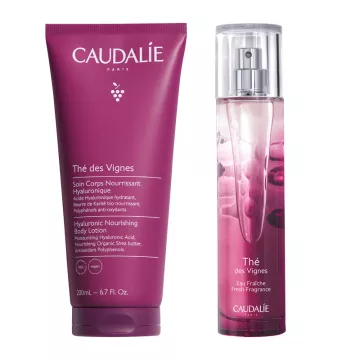
- Layering: shower gel + body lotion + eau de parfum from the same fragrance family—a technique used by perfumers to create a complex and long-lasting scent trail
- Oily formulas (dry body oil): fix base notes even better than water-based lotions—particularly well-suited to woody and musky fragrance families
How should you store a sensual perfume to preserve its quality?
Warm base notes are generally more stable than fresh citrus notes—but sensual fragrances remain sensitive to storage conditions, especially compositions containing floral absolutes or natural resins.
- Keep away from direct light and UV rays—aromatic molecules photo-oxidize, causing the fragrance to change irreversibly (often becoming rancid)
- Stable temperature (15–20 °C)—repeated temperature fluctuations accelerate degradation—the bathroom (heat and humidity) is the worst place to store it
- Keep the bottle closed between uses—alcohol evaporates and alters the composition’s proportions
- Shelf life: 3 to 5 years depending on the composition—perfumes with synthetic base notes (muscs) last longer than those with natural ingredients (flower absolutes)
- A perfume that has gone off smells like stale alcohol, has a rancid odor, or has completely lost its top notes—it remains usable but its scent profile is altered