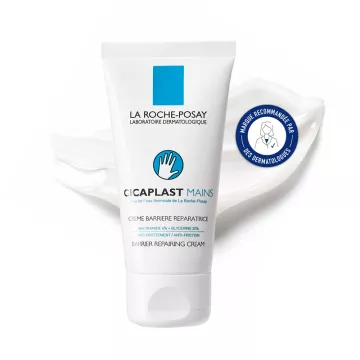
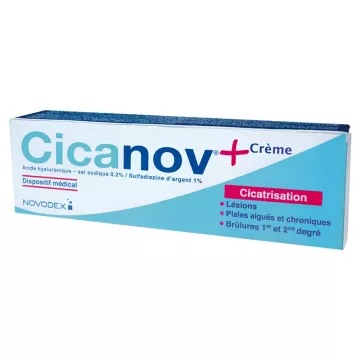
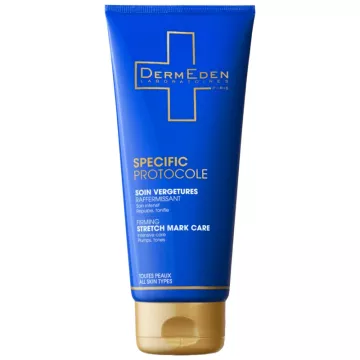
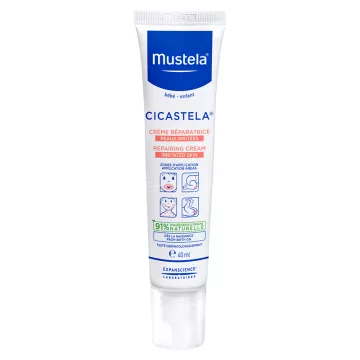
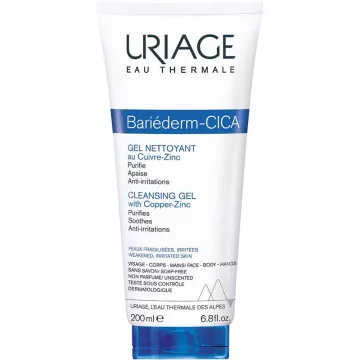
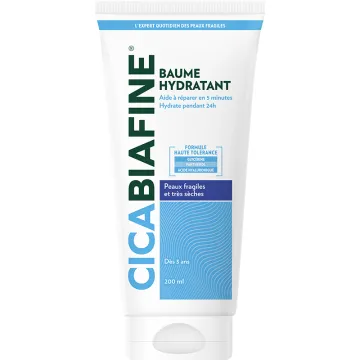
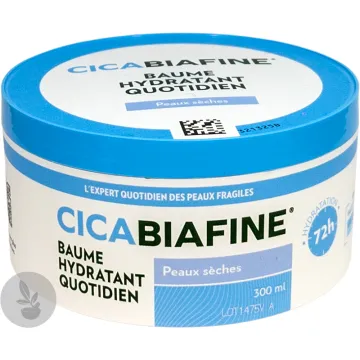
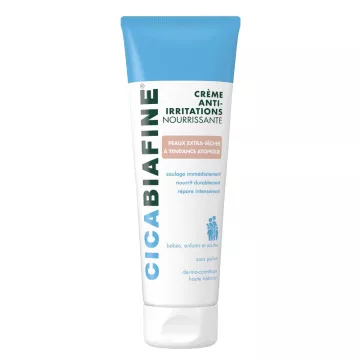
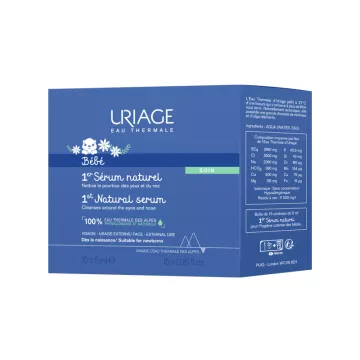
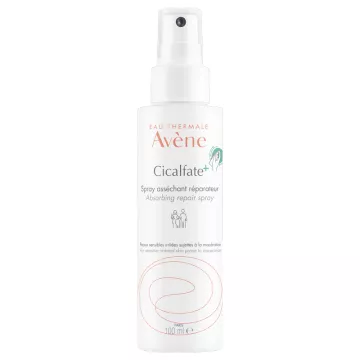
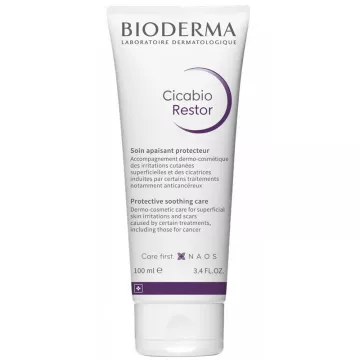
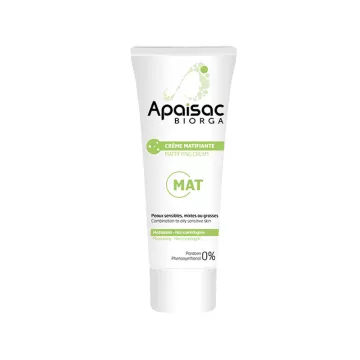
Sensitive skin reacts excessively to external stressors such as pollution, temperature changes, or the use of unsuitable cosmetics. It manifests as redness, itching, a tight feeling, and a marked sensitivity to skincare products. Recognizing these signs is essential for adjusting your skincare routine and preventing skin imbalances.
Skincare products for sensitive skin should prioritize gentle, soothing active ingredients. Among the most well-known are:
Incorporating these active ingredients into a regular skincare routine visibly improves skin comfort and restores the weakened skin barrier.
A routine tailored to sensitive skin is based on four complementary steps:
Always test each new product on a small area before fully incorporating it into your routine.
Several mistakes can quickly worsen the condition of sensitive skin:
Avoiding these pitfalls helps maintain healthier, more resilient, and visibly soothed skin over time.
Winter is particularly hard on sensitive skin due to low temperatures and dry air. Here are a few essential tips:
These habits help reduce winter dehydration and irritation. Also explore the line designed for sensitive skin to complete your seasonal routine.
For sensitive skin, opt for gentle cleansers free of soap and irritating ingredients. Micellar waters and cleansing lotions formulated with natural ingredients like rose water or calendula extract are particularly suitable. These formulas gently cleanse the skin without disrupting the skin barrier.
Sunscreen for sensitive skin should offer broad-spectrum protection (UVA and UVB) and prioritize mineral filters such aszinc oxide or titanium dioxide. Opt for a hypoallergenic, fragrance-free, and water-resistant formula to minimize the risk of irritation as much as possible.
When applied to the skin, probiotics strengthen the skin barrier and rebalance the microbiome. They help reduce inflammation, improve hydration, and soothe redness and irritation. Serums and creams enriched with lactic acid bacteria or probiotic lysates are particularly well-suited for sensitive skin.
Rosacea remains a common condition in sensitive skin. To manage flare-ups, opt for soothing products containing metronidazole (Metrogel) or azelaic acid, available by prescription. Identify and limit triggers: sun exposure, spicy foods, alcohol, or sudden temperature changes. Also discover the anti-redness line formulated to soothe skin prone to vascular flare-ups.
After a chemical peel, laser treatment, or any dermatological procedure, sensitive skin requires specific post-procedure care:
These steps reduce the risk of irritation and promote rapid, smooth healing of the treated skin.