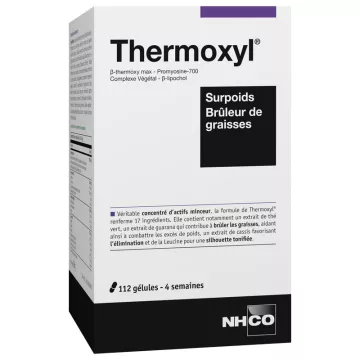
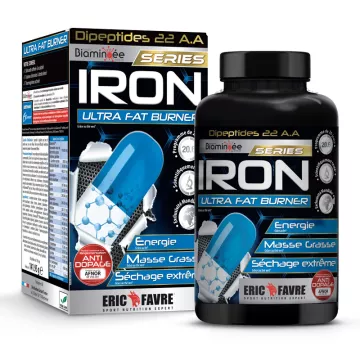
Fat breakdown —or lipolysis—is the process by which triglycerides stored in adipocytes are broken down into free fatty acids and glycerol, then transported to the mitochondria to be oxidized into energy. This mechanism is triggered when energy expenditure exceeds caloric intake, which creates a favorable hormonal signal: a drop in insulin levels, a rise in glucagon, and activation of the beta-adrenergic receptors in adipocytes. To sustain this process over the long term, a structured weight-loss program combining a balanced diet and physical activity remains the most reliable approach.
Hormones are the key regulators of fat breakdown.Insulin is the primary lipogenic hormone: when levels rise after a high-carbohydrate meal, it inhibits lipolysis and promotes fat storage. Conversely, glucagon, norepinephrine, and thyroid hormones stimulate the release of fatty acids from fat cells. Blood glucose levels therefore play a central role: stabilizing blood glucose spikes through a low-glycemic-index diet keeps insulin levels low and promotes a hormonal environment conducive to fat loss. Cortisol, secreted during chronic stress, has the opposite effect by stimulating abdominal lipogenesis.
Diet directly influences the hormonal environment for fat loss. Three key principles guide dietary choices:
Reducing refined sugars, processed carbohydrates, and alcohol is the most effective way to maintain low insulin levels, which promote lipolysis.
Physical activity stimulates lipolysis through two complementary mechanisms. Moderate-intensity cardiovascular exercise (brisk walking, cycling, swimming) utilizes fatty acids as the primary energy source and creates an immediate caloric deficit. Strength training increases lean body mass, which raises resting energy expenditure—muscle consumes energy even when not actively working. Combining both types of exercise—three to five sessions per week—creates a synergistic effect on fat loss in both the short and long term.
Yes. The gut microbiota influences energy metabolism by modulating calorie extraction from food, intestinal permeability, and the production of signaling molecules such as short-chain fatty acids (SCFAs). A dysbiotic (imbalanced) microbiome is associated with higher calorie extraction and low-grade inflammation, which hinders lipolysis. Consuming prebiotic fiber, fermented foods, and probiotics helps rebalance this ecosystem.
Several plant-based active ingredients work synergistically with a healthy lifestyle: