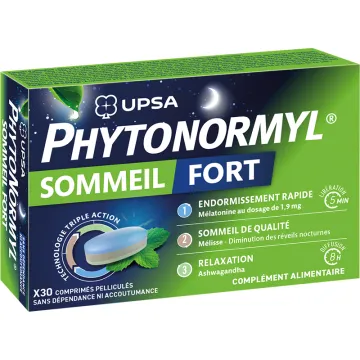
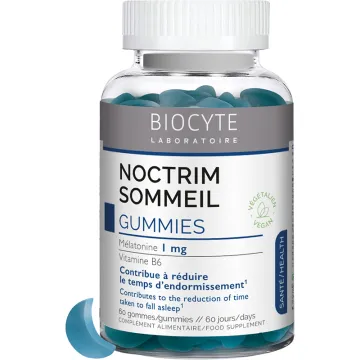
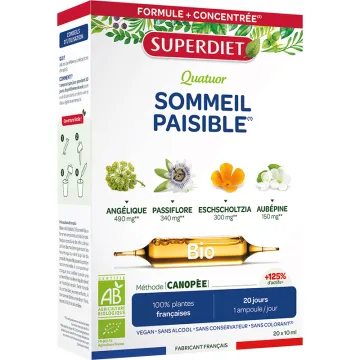
Falling asleep is an active process initiated by the brain, resulting from two converging forces: homeostatic sleep pressure (the accumulation of adenosine in the brain throughout the day) and the circadian rhythm (a melatonin signal secreted by the pineal gland at nightfall). When these two signals converge, the transition to the N1 phase (alpha waves followed by theta waves, with frequent sleep-onset myoclonus) is facilitated. The N1→N2 transition confirms that sleep has actually begun. A state of anxiety or cognitive arousal keeps the brain in rapid beta waves and prevents this transition—which is why cognitive approaches and anxiolytic herbs are as effective as pure sedatives for certain individuals.
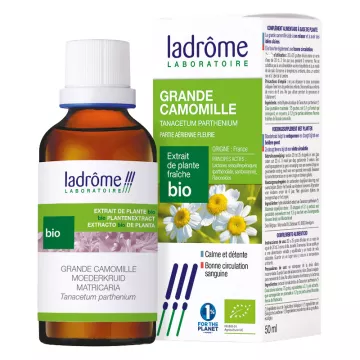
Beyond valerian and passionflower, several plants have a documented but lesser-known sedative effect:
In herbal medicine,hawthorn is particularly recommended for people whose difficulty falling asleep is accompanied by a racing heart at bedtime.
St. John’s wort (Hypericum perforatum, hyperforin + hypericin) is primarily a mild herbal antidepressant documented for use in mild to moderate depression, but its effect on sleep is relevant when difficulty falling asleep is secondary to a gloomy mood or persistent sadness. By modulating the reuptake of serotonin, dopamine, and norepinephrine, it improves daytime mood and reduces nighttime anxiety that delays falling asleep. Important precaution: cytochrome P450 enzyme inducer—contraindicated with oral contraceptives, anticoagulants, antiepileptics, immunosuppressants, and antiretrovirals. Do not use without medical advice in cases of moderate to severe depression.
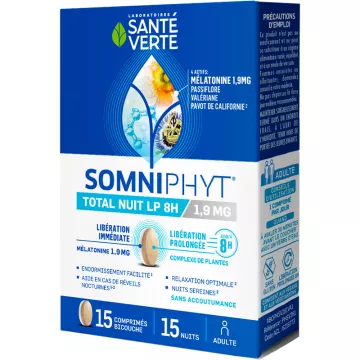
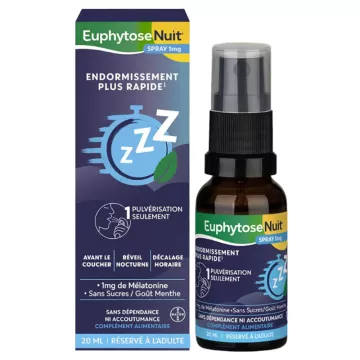
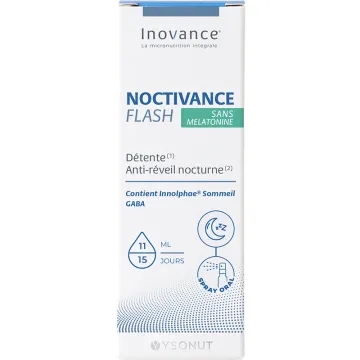
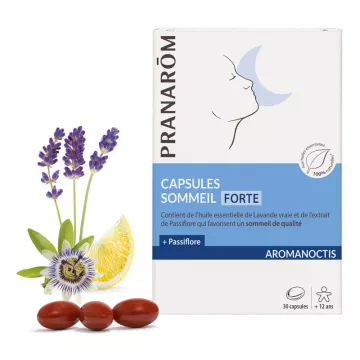
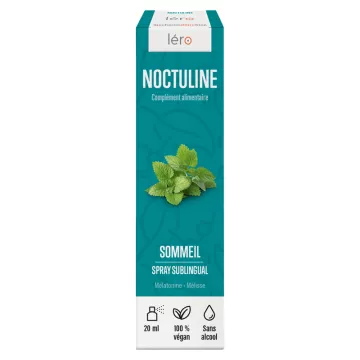
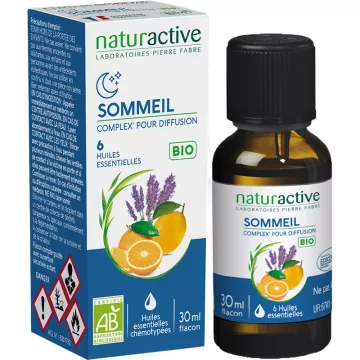
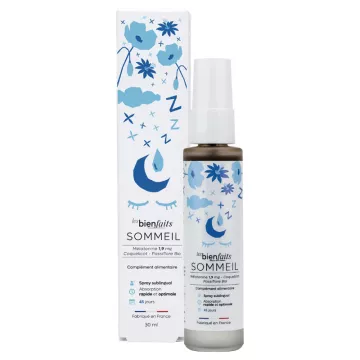
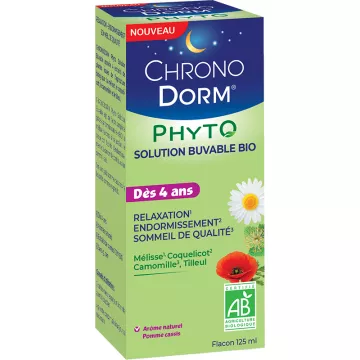
Melatonin-free sleep sprays (valerian + passionflower + eschscholtzia in a sublingual oral solution) are an alternative for people who wish to avoid exogenous melatonin—pregnant women, children under 6 years of age, or people taking medications that affect the melatonin pathway. Sublingual absorption of the plant-based active ingredients provides increased bioavailability and rapid onset of action (20–30 minutes). The sustained-release essential oil capsules (lavender + marjoram + bergamot in a gastro-resistant lipid base) gradually release their anxiolytic active ingredients throughout the night, ensuring a continuous effect on the quality of deep sleep without any peaks or drops in effectiveness.
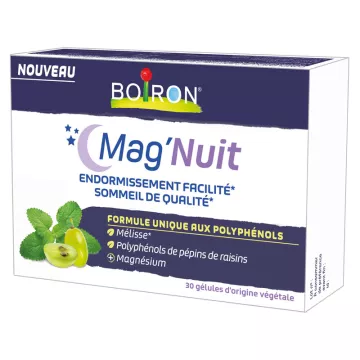
Nighttime magnesium formulas (bisglycinate + vitamin B6 + zinc + sedative herbs) provide a targeted nutritional approach. Magnesium bisglycinate exerts three converging actions: NMDA receptor antagonism (reduction of nocturnal neuronal hyperexcitability), activation of GABA-A receptors (potentiation of the natural sedative effect), and muscle relaxation (reduction of tension and sleep-onset myoclonus). Vitamin B6 acts as a cofactor in the synthesis of endogenous serotonin and melatonin. Zinc independently modulates GABA-A and NMDA receptors—the magnesium + B6 + zinc combination is the most well-documented for subjectively improving sleep quality.
Five bedtime rituals significantly shorten the time it takes to fall asleep. The “pen down” method: write down three concerns for the next day along with a rough outline of their solutions before turning off the light (clears the mind of cognitive thoughts). A warm bath (37–38°C, 20 minutes) 1.5 to 2 hours before bedtime: cutaneous vasodilation accelerates the drop in core body temperature essential for transitioning to N1 sleep. Digital detox 1 hour beforehand (blue light → melatonin suppression). Keep the bedroom at 18–19°C. Evening herbal tea (valerian + hops + verbena + lemon balm, steeped for 10 minutes): a ritual for the taste and smell senses that signals to the brain that night is beginning—positive Pavlovian conditioning for bedtime is one of the most underutilized strategies for optimizing sleep onset.