What is a dental veneer, and what is it used for?
A dental veneer is a thin shell bonded to the visible surface of a tooth to change its appearance—color, shape, size, or texture—without replacing the tooth (unlike a bridge orimplant). It is intended for teeth that are present but unsightly: those with stains that are resistant to whitening, chipped teeth, slightly misaligned teeth, or teeth with unsightly gaps between them. Two materials are most commonly used—porcelain (feldspar ceramic or e.max) and composite resin. The choice between the two affects durability, aesthetics, and cost. Any veneer placement is an irreversible procedure performed by a dentist—a comprehensive oral examination is essential before making a decision.Oral hygiene products to help maintain your veneers are available in the store.
- Porcelain (ceramic): thickness 0.3–0.7 mm — requires enamel reduction (irreversible preparation of 0.3 to 0.5 mm) — exceptional aesthetic results (translucency similar to natural enamel) — maximum stain resistance — lifespan of 10 to 20 years — high cost (€600–1,500 per tooth depending on the technology)
- Resin composite: no grinding or minimal preparation required (no-prep technique) — placed directly in the dentist’s office in a single visit — less expensive (€200–600 per tooth) — lifespan 5 to 8 years — more susceptible to staining (coffee, tea, tobacco) — can be repaired directly by the dentist if chipped — temporary or conservative option
- Ultra-thin veneers (no-prep): ultra-thin ceramic veneers (0.1–0.3 mm) — no preparation or minimal preparation required — recommended when there is sufficient enamel — preserve as much tooth structure as possible — selective technique (not suitable for all cases)
How are porcelain veneers placed?
- Initial evaluation: X-rays + periodontal examination — veneers are contraindicated in cases of active caries, untreated gingivitis, periodontitis, or unmanaged bruxism — aesthetic simulation (mock-up using temporary resin) to visualize the result before any preparation
- Tooth preparation: minimal reduction of the buccal surface (0.3–0.5 mm of enamel) under local anesthesia — irreversible — optical impression (intraoral scanner) or physical impression sent to the prosthetics lab — placement of temporary resin veneers for 2 to 3 weeks (functional and aesthetic testing)
- Permanent bonding: adjustment of the veneers on the teeth (verification of color, shape, and occlusion) — acid etching of the enamel + application of silane (to promote porcelain-enamel bonding) + light-cured bonding composite — immediate and permanent result — slight temporary sensitivity possible for 48–72 hours
- Composite protocol (1 session): direct shaping of the resin on the tooth through layering — layer-by-layer light-curing — finishing and polishing — immediate results without laboratory work
How long do veneers last, and what care do they require?
- Lifespan and limiting factors: porcelain 10–20 years (or even longer with perfect oral hygiene and no bruxism) — composite 5–8 years — main risks: fracture (direct impact, bruxism, very hard foods), detachment (poor oral hygiene, moisture during bonding), marginal staining (composite)
- Bruxism — relative contraindication: nighttime grinding generates excessive occlusal forces → high risk of veneer fracture — a nighttime protective occlusal splint is essential for bruxism sufferers who want veneers — treatment for bruxism (mouthguard + stress management) must precede placement
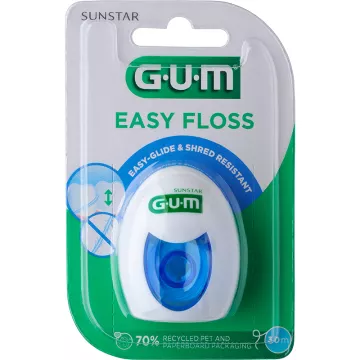
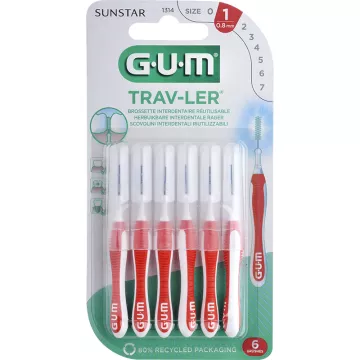
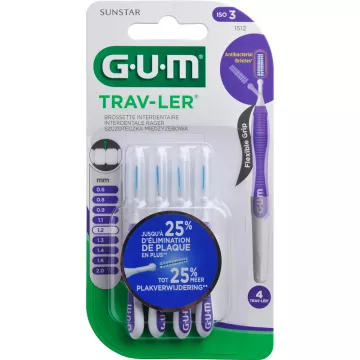
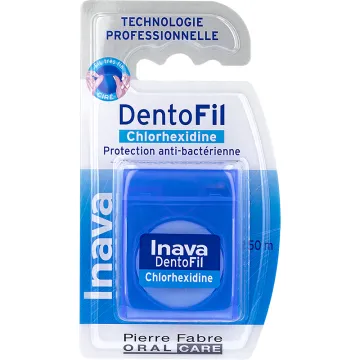
- Daily care: gentle brushing twice a day — avoid abrasive toothpastes (whitening products containing activated charcoal or baking soda) on the composites — floss or use interdental brushes once a day — avoid biting into very hard foods with veneered front teeth (biting into a baguette, bones) — stains on composites: coffee, tea, red wine, and tobacco accelerate marginal discoloration
- Professional follow-up: dental checkup once a year — composite polishing available in the office (restores shine) — porcelain veneers cannot be repolished to their original condition — manual scaling (do not use ultrasonic scalers directly on the veneers — risk of detachment)
What are the alternatives and limitations of dental veneers?
- Professional teeth whitening: treats mild to moderate intrinsic stains — non-invasive — less expensive — temporary results (1 to 3 years) — should be tried before getting veneers in cases of isolated discoloration
- Dental crowns: cover the entire surface of the tooth (360°)—recommended if the tooth is weakened (extensive treated decay, root-canaled, or fractured)—more aggressive preparation than veneers—see the dental surgery page
- Orthodontics (braces, aligners): if the problem is misalignment — corrects the position without altering the tooth structure — treatment duration 12 to 24 months — dental braces and accessories are available in the store
- Limitations and contraindications: untreated bruxism — active cavities or gingivitis — insufficient enamel (teeth that have already undergone extensive restoration) — unrealistic patient expectations (veneers cannot correct severe malocclusion) — posterior teeth (molars, premolars) are not suitable for cosmetic veneers