The eyelids are complex anatomical structures whose function directly affects corneal health and the quality of the tear film. Each eyelid contains three types of glands: Meibomian glands (which produce lipids for the tear film, 20–30 per eyelid), Zeiss glands (sebaceous), and Moll glands (modified sweat glands). Blinking (10,000 to 15,000 times per day) spreads the tear film over the cornea, drains tears into the nasolacrimal duct, and mechanically removes foreign bodies. Eyelid dysfunction results in dry eye, chronic blepharitis, or recurrent styes.
Demodex folliculorum infestation (a microscopic mite that colonizes the eyelash follicles and Meibomian glands) is present in 50 to 80 percent of adults over the age of 40 and is a major cause of chronic blepharitis.Tea tree essential oil (Melaleuca alternifolia, terpinene-4-ol ≥ 30%) disrupts the mites’ eyelash cuticle and inhibits their reproduction. Blephademodex wipes contain a 0.025% derivative, formulated to be effective without irritating the eyelid mucosa. A 3- to 4-week regimen of daily cleansing is necessary to significantly reduce the parasite load.
Zinc is a cofactor for metalloproteinases involved in eyelid connective tissue remodeling—a deficiency delays healing and increases susceptibility to bacterial infections (S. aureus/recurrent styes). Vitamin D3 modulates innate eyelid immunity by regulating the expression of antimicrobial peptides (defensins, cathelicidins) in epithelial cells—a mechanism documented in reducing susceptibility to recurrent bacterial blepharitis. Insufficient serum levels (< 30 ng/mL) are common in populations suffering from chronic eyelid conditions.
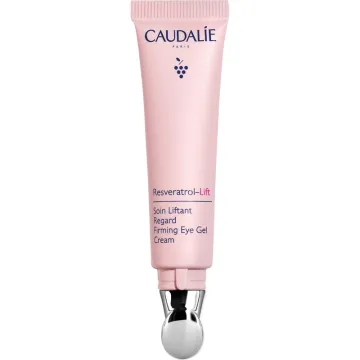
Mild functional eyelid ptosis results from the progressive breakdown of collagen and elastin in the tarsal plate. Hydrolyzed marine collagen (peptides < 3 kDa, 2.5 to 10 g/day) improves the firmness of the eyelid dermis—effectiveness documented after 8 weeks (Proksch, 2014). Resveratrol inhibits MMP-1 and MMP-3, which are responsible for fiber degradation; activates the anti-senescence enzyme SIRT1; and reduces the accumulation of AGEs in the mature eyelid dermis.
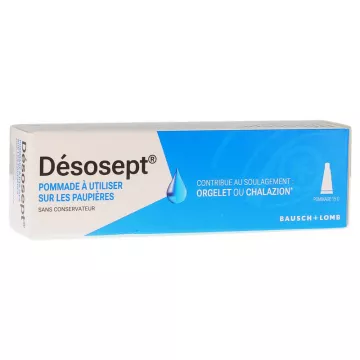
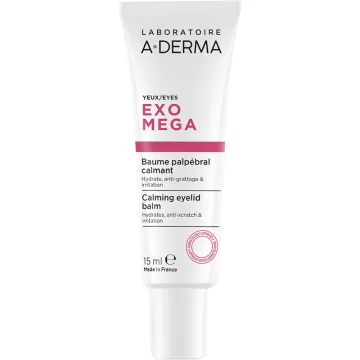
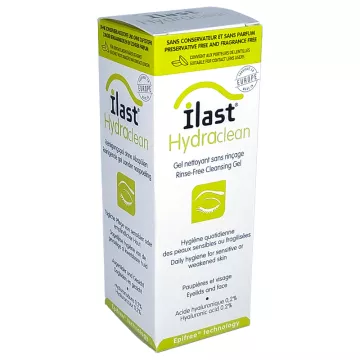
Daily eyelid hygiene is the most effective preventive measure against chronic blepharitis, styes, and recurrent chalazia. The recommended routine: a warm compress (40 °C, 10 minutes) to liquefy secretions from the Meibomian glands, gentle massage of the eyelid margins (from the outer corner toward the inner corner), followed by cleaning the eyelid margins with a sterile wipe (Ilast, Steriblef, or Blephademodex, as indicated). An emollient balm (A-Derma Calmande) is applied as the final step for atopic eyelids. For comprehensive eye care, supplements and topical treatments are combined to maintain long-term eyelid health.
Functional eyelid ptosis (progressive age-related sagging, distinct from neurological ptosis) results from laxity of the levator muscle of the upper eyelid and degradation of the tarsal dermis. Adhesive lifting strips (Apricot) provide immediate and temporary mechanical correction—useful while awaiting medical or surgical treatment. Active skincare (marine collagen + resveratrol + topical vitamin C) can slow tissue degradation. Any rapidly developing or unilateral ptosis (drooping of a single eyelid) requires an urgent ophthalmological consultation to rule out a neurological cause (Claude Bernard-Horner syndrome, cranial nerve III palsy).