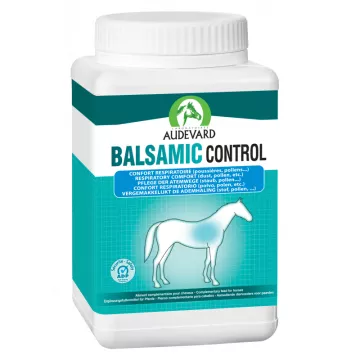
Horses have a unique physiology that results in vulnerabilities specific to the species. A horse’s digestive tract consists of a large hind fermenter (a 100-liter cecum and colon) paired with a stomach of only 15 to 20 liters—this imbalance requires continuous gastrointestinal transit and divided feedings. Gastric ulcers affect more than 60% of competition horses (SUGE, equine gastric ulcer syndrome): stress, a diet low in forage, and intense training increase hydrochloric acid production without sufficient buffering. The respiratory system is under significant strain during exercise and is sensitive to stable allergens (dust, fungal spores, endotoxins). Equine respiratory problems —ranging from simple coughing to RAO (Recurrent Airway Obstruction)—require rigorous environmental and nutritional management.
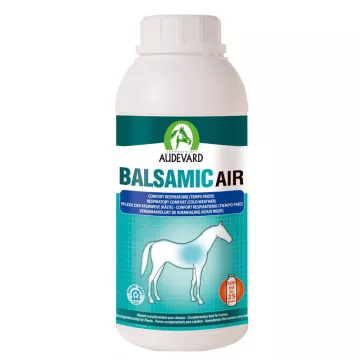
Three complementary approaches can help reduce respiratory stress in the stable:
Peppermint (menthol, menthone) and Scots pine (α-pinene, limonene) are the two essential oils most commonly used in equine balsamic formulations for their decongestant and expectorant effects.
Equine probiotics (primarily Saccharomyces cerevisiae, live yeast) stabilize the large intestine’s microbiota during dietary transitions (change in forage, introduction of grains, spring), antibiotic treatments, and periods of stress. Live yeast improves fiber digestibility and reduces fluctuations in cecal pH that can trigger acidosis and laminitis. Fenugreek (Trigonella foenum-graecum, saponins and alkaloids) is used in equine herbal medicine as a digestive tonic and appetite stimulant for convalescing horses or those losing condition—its slightly sweet taste is highly appreciated by horses.
The prevention of gastric ulcers relies on several complementary approaches. A continuous supply of forage (hay in a net, ad libitum) maintains the mechanical buffer provided by fiber against acidity. Mucosal protection supplements (citric and silk pectins, calcium, magnesium, vegetable oil) form a protective film on the gastric mucosa. Exercise should never be performed on an empty stomach—a portion of hay 30 minutes before exercise buffers the hydrochloric acid that comes into contact with the non-glandular dorsal mucosa during the race. Omega-6 fatty acids (flaxseed, canola oil) contribute to the integrity of the digestive mucosa through their structural role in the membrane phospholipids of epithelial cells.
Intense exercise triggers massive production of free radicals (oxidative stress) in horses, particularly in the muscles and lungs. Vitamin E (tocopherol), selenium (a cofactor for glutathione peroxidase), and vitamin C support the antioxidant renewal essential for muscle recovery. Resveratrol (a grape polyphenol and stilbene) is a powerful antioxidant that is increasingly being incorporated into equine supplement formulas—it inhibits the activation of NF-κB (a major pro-inflammatory factor) and improves post-exercise recovery. It is also being studied for its effects on cellular longevity in senior horses.