0
Menu

Emollients: A Pharmacist's Guide for Dry and Atopic Skin

Filter
Number of products : 15
Sort
Sort
Close
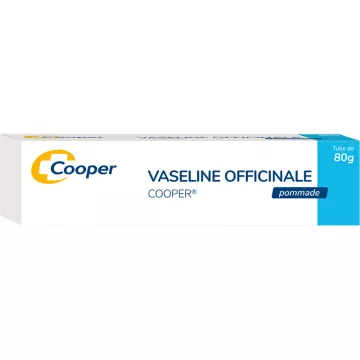
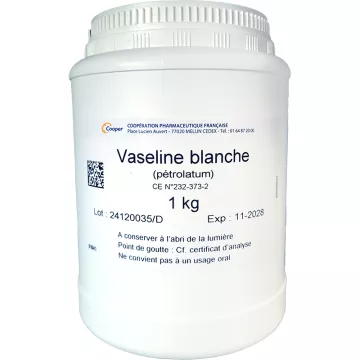
Vaseline Officinale Cooper Ointment, 80 g Tube Vaseline Officinale Cooper Ointment, 80 g Tube
€3.99
Add to cart
Shipped within 24h
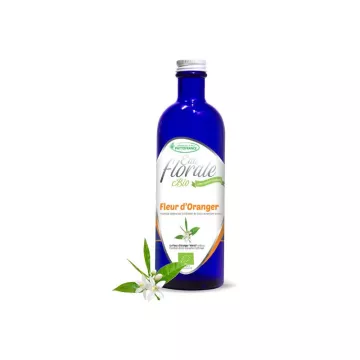
Phytofrance Organic Orange Blossom Water Phytofrance Organic Orange Blossom Water
€9.25
Shipped within 24h
Topicrem DA Emollient Face & Body Balm -€2.00 Topicrem DA Emollient Face & Body Balm
200 ml 500 ml
€16.29 €18.29
Add to cart
Shipped within 24h
A-Derma Exomega Allergo Emollient Balm A-Derma Exomega Allergo Emollient Balm
200 ml 40 ml
€20.90
Add to cart
Shipped within 24h
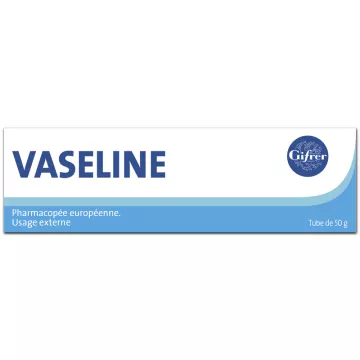
Gifrer Vaseline (Pharmacopoeia Grade), 50g tube Gifrer Vaseline (Pharmacopoeia Grade), 50g tube
€2.66
Shipped within 24h
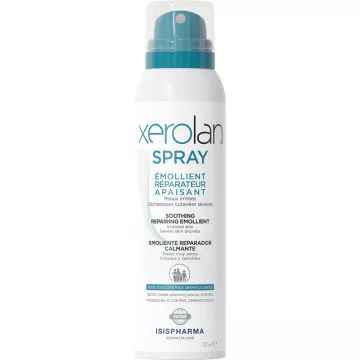
Isispharma Xerolan Soothing, Restorative, Emollient Spray 150 ml Isispharma Xerolan Soothing, Restorative, Emollient Spray 150 ml
€12.90
Shipped within 24h
Pranarom Organic Neem Vegetable Oil 30 ml Pranarom Organic Neem Vegetable Oil 30 ml
€6.99
Shipped within 24h
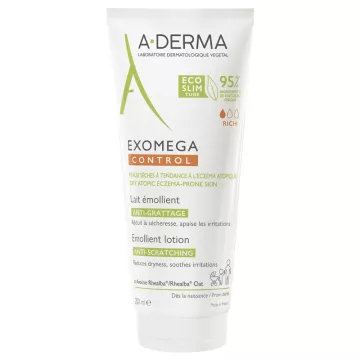
A-Derma Exomega Control Emollient Milk 200 ml A-Derma Exomega Control Emollient Milk 200 ml
€17.49
Shipped within 24h
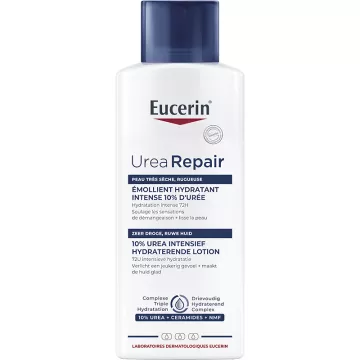
Eucerin UreaRepair Moisturizing Emollient 5% Urea Eucerin UreaRepair Moisturizing Emollient 5% Urea
400 ml
€19.90
Add to cart
Shipped within 24h
Nuxe Zinc Power Sérum Anti-Imperfections 30 ml -€2.01 Nuxe Zinc Power Sérum Anti-Imperfections 30 ml
€26.89 €28.90
Shipped within 24h
Antiphlogistine 1.5 kg: an emollient and soothing poultice for horses Antiphlogistine 1.5 kg: an emollient and soothing poultice for horses
€30.24
Shipped within 24h
Lactibiane Topic AD Pileje Emollient Balm 125 ml Lactibiane Topic AD Pileje Emollient Balm 125 ml
€17.99
Shipped within 24h
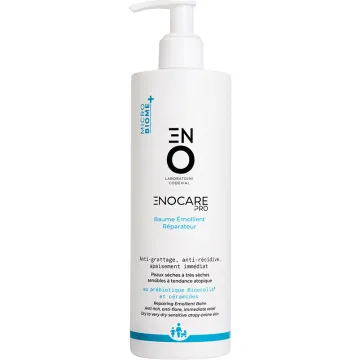
Enocare-Pro Emollient Repair Balm 400ml Enocare-Pro Emollient Repair Balm 400ml
€22.90
Replenishment in progress

What is an emollient, and how does it work?

Emollients are moisturizing substances used to soften, smooth, and nourish the outer layers of the skin.

They work by forming a protective film on the skin’s surface, which locks in moisture and actively prevents skin dehydration.

This film also limits the penetration of external irritants, which is essential for skin that is fragile or prone toeczema or atopic dermatitis.

Emollients come in several formulations: light lotions, creams, balms, ointments, and oils, which should be chosen based on the degree of skin dryness.

What are the main benefits of emollients?

Regular use of an emollient provides several cumulative benefits to the skin:

  1. Hydration: They restore long-lasting moisture and alleviate feelings of tightness after showering or in dry climates.
  2. Protection: They form a physical barrier against environmental aggressors, cold weather, and allergens.
  3. Skin suppleness: They smooth out rough patches and soften rough or flaky areas, particularly on the elbows, knees, and legs.
  4. Irritation prevention: They help reduce the frequency of eczema flare-ups and alleviate inflammation associated with atopic skin.

How to Choose the Right Emollient?

Choosing an emollient depends on several specific criteria that should be considered before making a purchase:

  • Skin type: Very dry skin benefits most from rich creams and occlusive balms, while normal skin tolerates fluid lotions or light oils better.
  • Skin condition: Skin affected byatopic dermatitis, eczema, or psoriasis benefits from formulas specifically tailored to its sensitivity.
  • Ingredients: Choose products free of fragrance and dyes, especially if you have sensitive or reactive skin.

How to Apply an Emollient Effectively?

To maximize the effectiveness of your emollient, follow these four essential principles:

  1. Apply after showering: Apply the emollient to skin that’s still slightly damp to lock in moisture and boost hydration.
  2. Daily consistency: Applying it morning and night is essential for maintaining long-term benefits.
  3. Gentle application: Spread the product using gentle, smooth motions to avoid irritating the most delicate areas.
  4. Usea generous amount: don’t skimp on the amount, especially if you have very dry, atopic, or psoriatic skin.

Are there any side effects associated with emollients?

Emollients are generally very well tolerated, even by the most sensitive skin.

However, some temporary reactions may occur on extremely dry or damaged skin, such as a tingling sensation or temporary warmth during the first few applications.

Always perform a patch test on a small area (such as the crook of the elbow) before using a new product extensively, especially on children or pregnant women.

What is the difference between an emollient and a moisturizer?

The terms “emollient” and “moisturizer” are often confused but refer to two distinct mechanisms.

An emollient works by forming an occlusive barrier that prevents transepidermal water loss and softens the skin.

A moisturizer draws water into the skin’s outer layers using humectants such as glycerin or hyaluronic acid.

The best skincare products often combine both actions to provide both immediate comfort and long-lasting hydration.

How do emollients promote skin healing?

Emollients play a key role in skin repair by maintaining the hydration necessary for cell renewal.

By forming a protective barrier on the skin’s surface, they limit the entry of irritants and allergens that can delay healing.

On damaged skin or dry skin weakened by eczema, regular use accelerates skin repair and gradually restores the epidermis’s elasticity.

Can emollients be used on the face?

Yes, emollients can be applied to the face, provided you choose a formula specifically designed for this more sensitive area.

Opt for non-comedogenic and hypoallergenic products that do not clog pores and minimize the risk of skin reactions.

For acne-prone or highly reactive skin, opt for lightweight emollients and always test the product on a small area before applying it more widely.

Can emollients be combined with other skincare products?

Combining an emollient with other skincare products (serums, anti-aging creams, targeted treatments) is generally possible and even recommended as part of a comprehensive skincare routine.

However, be sure to follow the correct order of application: water-based products (serums, lotions) first, followed by the emollient, and finally more occlusive products like balms or oils as the finishing touch.

This sequence ensures optimal absorption of each active ingredient and minimizes unwanted cosmetic interactions.

What ingredients should you look for in a good emollient?

Several ingredients give an emollient remarkable efficacy and tolerability:

Plant-based oils, such as jojoba oil or sweet almond oil, deeply nourish the skin without leaving it feeling excessively greasy.

Plant-based butters—shea butter, cocoa butter—provide intense protection and long-lasting hydration.

Repairing active ingredients such as ceramides, allantoin, or panthenol soothe and restore the skin barrier, making them perfect for sensitive or damaged skin.