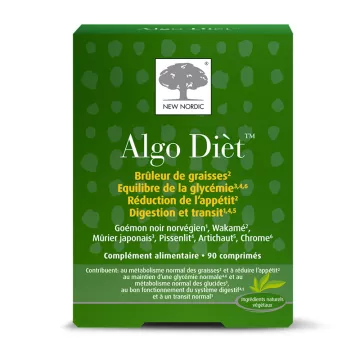
Losing body fat in a sustainable way requires a combined approach: a moderate calorie deficit, appropriate physical activity, and targeted nutritional support. Moderate-intensity cardiovascular exercise—such as brisk walking, cycling, swimming—utilizes fatty acids as the primary energy source and creates an immediate calorie deficit. Strength training increases lean body mass, which boosts resting metabolic rate: each kilogram of muscle consumes more energy than the equivalent amount of fat tissue. Finally, a structured weight-loss program provides a coherent framework for coordinating these approaches without resorting to severe, counterproductive restrictions.
Diet works on two fronts: reducing caloric intake and optimizing the hormonal environment. Stabilizing blood sugar levels through low-glycemic-index foods keepsinsulin levels low—a necessary condition for lipolysis to be activated. Lean proteins (poultry, fish, legumes) are highly satiating and have a high thermic effect: digesting them requires more energy than digesting carbohydrates or fats. The fiber in green vegetables and whole grains prolongs satiety and regulates the intestinal absorption of dietary fats. Conversely, added sugars, trans fats, and ultra-processed foods promote fat storage and should be reduced as a priority.
Two strategies complement each other effectively:
Strength training complements these two approaches by preserving and building muscle mass, which supports energy expenditure over the long term.
Certain plant-based and nutritional compounds are backed by robust scientific evidence:
These active ingredients do not replace a balanced diet but enhance its effects when incorporated into it.
Chronic stress is a major obstacle to fat loss. Excess cortisol stimulates visceral abdominal lipogenesis and increases cravings for sugary and high-calorie foods. Insufficient sleep exacerbates this mechanism by disrupting leptin (the satiety hormone) and ghrelin (the hunger hormone), increasing appetite and reducing motivation to exercise. Aiming for seven to nine hours of sleep per night and incorporating stress management techniques (meditation, gentle exercise, mindfulness) are lifestyle measures just as important as diet itself.
The first visible results—reduced water retention and a slight decrease in waist circumference—generally appear after two to four weeks of consistent effort. Significant and sustainable fat loss is achieved over a minimum of eight to twelve weeks. The HAS (French National Authority for Health) estimates a healthy weekly weight loss to be between 0.5 and 1 kg. Trying to lose weight faster increases the risk of muscle loss, a slowed metabolism, and the yo-yo effect. Consistency in your efforts is more important than the intensity of occasional bursts of activity.