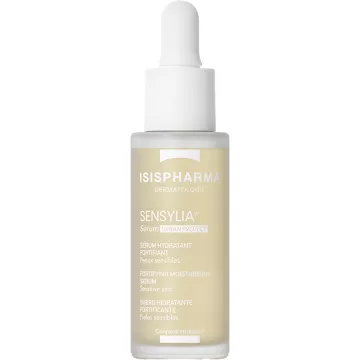
A serum for dry skin is an intensive skincare product formulated to hydrate and support the comfort of dry or dehydrated skin.
Unlike a traditional moisturizer, it contains a higher concentration of fast-absorbing hydrating active ingredients, delivering more noticeable results in terms of skin comfort.
Regular use supports skin hydration, alleviates feelings of discomfort and tightness, and visibly improves skin suppleness.
Persistent, severe dry skin—or dry skin accompanied by patches, severe itching, or cracks—consult a dermatologist to rule out an underlying condition (atopic dermatitis, ichthyosis, etc.).
Serums for dry skin typically contain several active ingredients known for their moisturizing and nourishing properties:
To choose the best serum for dry skin, consider the following criteria:
Check the full INCI list to identify any known allergens.
Applying a serum for dry skin follows a specific method:
Applying to slightly damp skin optimizes moisture retention and the hydrating effect.
A serum for dry skin offers several cosmetic benefits:
A serum for dry skin naturally pairs with other products in a daily skincare routine.
Classic method: gentle cleansing → toner (if desired) → hydrating serum → rich cream or occlusive balm → sunscreen (in the morning).
For multiple skin concerns, you can layer several serums from the lightest to the richest: start with a hydrating serum, followed by a targeted serum (anti-aging, radiance) depending on your needs.
If introducing a potent active ingredient (retinol, vitamin C, AHA), space out applications to allow sensitive skin to gradually adjust.
Serums for dry skin are generally well-tolerated, but certain ingredients may cause reactions in sensitive or allergic skin.
Possible side effects include tingling, redness, itching, rashes, and a mild burning sensation.
Perform a patch test on the inside of your elbow 48 hours before first use.
If you experience a severe or persistent reaction (widespread redness, itching, rash, swelling), stop using the product and consult a dermatologist.
How often you use a serum for dry skin depends on your skin type and circumstances:
For most people with dry skin: applying it morning and night as part of your daily routine helps maintain optimal hydration and comfort.
During very dry periods (winter, air conditioning, air travel, high altitudes), you can increase the frequency or pair it with a rich cream.
For very dry or damaged skin, follow your dermatologist’s recommendations, who can tailor your routine (specific protocol, additional medical treatment if necessary).
Serums for dry skin are primarily formulated for dry, dehydrated, or uncomfortable skin.
They may also be suitable for several other skin conditions:
Those with oily or acne-prone skin should opt for serums specifically formulated for their skin type—lighter and non-comedogenic—as a serum that’s too rich can overload skin that’s already prone to excess oil.
A serum for dry skin worn under makeup provides an ideal, hydrated base for a smooth and comfortable finish.
Method: Apply the serum after cleansing and toning, let it absorb for 2 to 5 minutes, then apply a moisturizer (as needed), and finally your makeup.
Well-hydrated skin reveals a more even complexion, reduced dry patches, and longer-lasting foundation.
Avoid layering on too many products before applying makeup to prevent overloading the skin and creating a “mask-like” effect.
Serums for dry skin can be used both day and night, with a few nuances:
Daytime: Opt for a lightweight serum that blends well with your moisturizer and sunscreen without weighing down your complexion.
At night: Opt for a serum richer in nourishing and restorative active ingredients to support skin renewal while you sleep.
For very sensitive skin or skin suffering from severe dryness, avoid harsh active ingredients (retinol, exfoliating acids) that can worsen discomfort; stick to simple moisturizing ingredients until your skin returns to normal.
Several signs indicate that a serum for dry skin is effective:
If results are unsatisfactory after several weeks, try a different formula or consult a dermatologist: severe, persistent dryness may indicate atopic dermatitis, ichthyosis, or another condition requiring appropriate medical care.
Natural serums for dry skin offer several perceived benefits:
“Natural” is not synonymous with “hypoallergenic”: certain plant-based ingredients (essential oils, latex, propolis, certain extracts) can be allergenic. A skin test remains essential, whether the product is natural or not.
Combining a moisturizing serum for dry skin with an acne treatment is not only possible but often beneficial.
Many acne treatments (prescription retinoids, salicylic acid, benzoyl peroxide) are drying and can weaken the skin barrier: a hydrating serum used in conjunction with them helps maintain skin comfort.
Precautions: Choose a non-comedogenic serum to avoid clogging pores. Prescription retinoids (tretinoin, isotretinoin, adapalene, tazarotene) are **teratogenic** and contraindicated during pregnancy; salicylic acid is photosensitizing (minimum SPF 30) and not recommended for pregnant or breastfeeding women.
For moderate to severe acne, consult a dermatologist: they can develop a comprehensive routine (medical treatment + compatible skincare products) tailored to your specific needs.