What is dry skin?
Skin dryness refers to a dynamic process of moisture loss in the skin, which a dermatologist would more likely describe as xerosis. It differs from constitutional dry skin, which is a permanent skin type, and from dehydration, which is a temporary lack of water. Skin dryness, on the other hand, is primarily a temporary and reversible condition that can affect all skin types: “My skin gets dry in the winter,” “My skin gets dry after this treatment.” Identifying the factors that cause it and addressing them usually restores comfort within a few weeks.
How does it manifest on the skin?
The typical signs appear gradually:
- Repeated tightness, especially after cleansing or exposure to cold;
- A rough texture to the touch, loss of suppleness;
- A dull appearance, loss of natural radiance;
- Appearance of fine flakes (peeling skin) and flaking;
- Mild to moderate itching in exposed areas;
- Increased sensitivity to cosmetics that are usually well tolerated;
- In chronic cases: cracks on the hands, heels, and lips, and even bleeding;
- Risk of progression to a permanently weakened skin barrier.
What factors accelerate this process?
Dryness is almost always the result of a combination of factors:
- Climatic: dry winter cold, wind, low humidity, intense summer sun, sudden temperature changes;
- Household factors: central heating that dries out indoor air, air conditioning, hard and calcareous water, chlorine in swimming pools;
- Hygiene: prolonged hot showers, alkaline soaps, sulfate-based shower gels, repeated mechanical exfoliation;
- Cosmetics: cumulative use of concentrated active ingredients (retinol + AHA + BHA), alcohol-based lotions, harshly scented formulas;
- Aging: Starting at age 50, sebum and ceramide production naturally decreases;
- Medications: oral retinoids, diuretics, certain anticancer drugs, statins;
- Lifestyle: smoking (impaired microcirculation), alcohol (dehydration), insufficient water intake;
- Underlying medical conditions: hypothyroidism, diabetes, kidney failure, chronic dermatitis.
How can you protect your skin on a daily basis?
A consistent protective routine yields results in 2 to 6 weeks:
- Short showers (5 to 10 minutes) at 35–37°C, never scalding hot;
- Superfatted cleansers, mild syndets, or sulfate-free cleansing oils;
- Gently pat dry without rubbing;
- Apply a rich cream or emulsion immediately after washing, while the skin is still damp;
- Reapply throughout the day to the most exposed areas (hands, lips, face);
- Daily sunscreen with SPF 30 to 50, even in winter;
- Usea humidifier in the bedroom during the heating season;
- Wear gloves in winter and when doing housework that exposes you to detergents;
- Wear cotton or linen clothing next to the skin; avoid scratchy wool that comes into direct contact with the skin.
Which active ingredients help prevent dryness?
Fouressential categories ofactive ingredients:
- Humectants: glycerin, hyaluronic acid, urea (5–10%), honey—attract and retain water;
- Lipid emollients: ceramides (NP, AP, EOP), cholesterol, squalane, shea butter—rebuild the intercellular cement;
- Occlusives: butters, sweet almond oil, argan oil, avocado oil—limit transepidermal water loss;
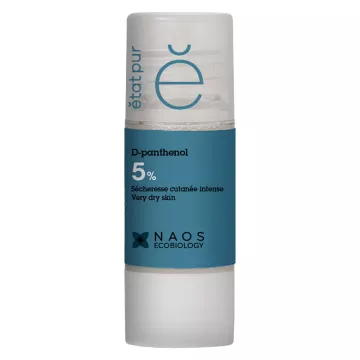
- Soothing and restructuring agents: panthenol (vitamin B5), allantoin, bisabolol, niacinamide — restore comfort and endogenous ceramide synthesis;
- Avoid in your daily routine: concentrated fragrances, drying alcohols, allergenic preservatives, and exfoliation that’s too frequent.
Does diet really help?
Yes, and its role is underestimated. The lipid quality of the skin barrier depends directly on nutritional intake:
- Omega-3 EPA-DHA: fatty fish (sardines, mackerel, salmon, herring) twice a week;
- Omega-6 and omega-9: walnuts, almonds, flaxseeds, canola and walnut oils;
- Vitamin E: oilseeds, wheat germ, vegetable oils;
- Antioxidants: colorful fruits and vegetables, berries, green tea (a cluster of natural antioxidants);
- A course of borage or evening primrose oil (1,000 to 2,000 mg/day) for 2 to 3 months for conditions involving chronic dryness;
- Oral hydration: 1.5 to 2 L of water per day, spread out throughout the day;
- Limit: alcohol, excessive coffee, ultra-processed foods, and fast-acting sugars.
What natural remedies can be used as supplements?
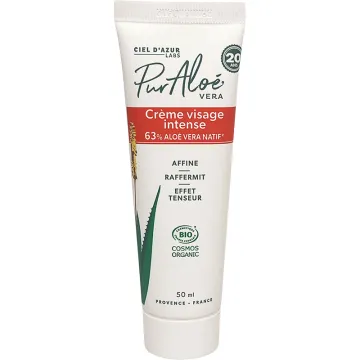
- Purealoe vera gel: provides immediate soothing and moisturizing relief;
- Manuka or acacia honey as a face mask (10 minutes): a natural moisturizer; be mindful of allergies;
- Colloidal oatmeal baths: a recognized standard, particularly for areas of discomfort;
- Sweet almond, avocado, or calendula vegetable oil applied topically;
- Roman chamomile or lavender hydrosol as a mist;
- Thermal water spray several times a day;
- Test any natural product on the inner elbow for 48 hours before using it more extensively.
When should you see a dermatologist?
A consultation is necessary when:
- Your skincare routine does not restore comfort after 6 to 8 weeks;
- Deep cracks, bleeding, oozing, or scabbing appear;
- Severe itching that disrupts sleep;
- You suspect eczema, psoriasis, or seborrheic dermatitis;
- Chronic, recurring dryness with no identified environmental cause (suspected underlying condition: hypothyroidism, diabetes);
- Widespread involvement or impact on quality of life.
The doctor may order targeted diagnostic tests and, in some cases, prescribe topical medications for acute episodes. Your pharmacist remains your primary point of contact for tailoring your daily skincare routine to your skin type.