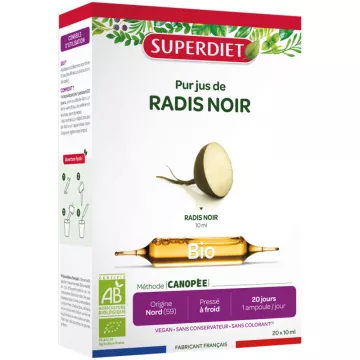
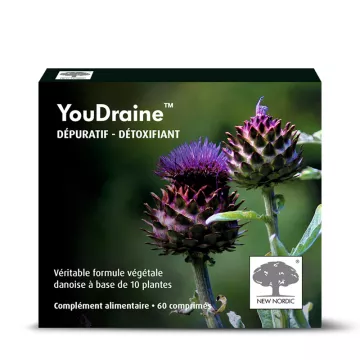
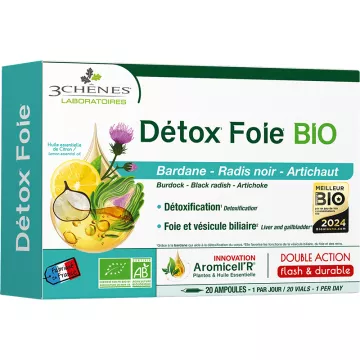
What is a depurative, and how does it differ from a drainer?
A depurative is a plant or supplement that cleanses the blood and lymph of waste products, toxins, and excess metabolites, while simultaneously supporting several excretory organs. It differs from a diuretic—which acts primarily on urinary or lymphatic volume—in its primary focus: the quality of the blood and the purification of deep tissues. Depurative herbs work in two complementary ways: by stimulating the elimination of waste through the liver and kidneys, and by improving skin condition, which often reflects the body’s toxic load. Skin prone toacne, recurrent breakouts, or a dull complexion is often the first sign of a depurative overload.
Which skin-purifying herbs are best documented?
Several plants have a dual depurative action—on both the skin and the internal emunctory organs:
- Burdock (Arctium lappa): the gold standard among skin-purifying herbs. Its inulins and phenolic compounds support liver detoxification while reducing sebum production and limiting the bacterial overgrowth responsible forexcess sebum.
- Wild pansy (Viola tricolor): a blood- and kidney-purifying herb, it is traditionally prescribed for inflammatory skin conditions such as psoriasis andeczema.
- Stinging nettle: A remineralizing and purifying herb, it supports the kidneys’ elimination of nitrogenous waste and improves the skin’s overall condition.
- Fumitory: A cholagogue and liver-purifying agent, its effect on bile indirectly improves skin quality by reducing rashes associated with an overburdened liver.
How do depuratives affect skin conditions?
The link between toxic overload and the skin is well established in functional dermatology. The skin acts as a backup excretory organ: when the liver and kidneys are overwhelmed, it takes over via sweat and sebum. This skin overload manifests as acne, irritation, flaking, or chronic rashes. Detoxifying agents act at the source: by reducing the burden on the liver and kidneys, they alleviate the pressure on the skin. A 4- to 6-week detoxifying regimen can thus significantly improve mild to moderate skin conditions when used in conjunction with topical treatments.
How should detoxifying agents be used in practice?
Detoxifying agents are used in seasonal courses (spring and fall) or during periods of stress:
- Available forms: herbal teas (burdock, wild pansy), mother tinctures, standardized dry extract capsules, fresh plant juices.
- Duration: 4 to 6 weeks for a skin treatment, 3 to 4 weeks for a general detoxification treatment.
- Synergistic combination: Combine a skin-purifying herb (burdock) with a liver-purifying herb (milk thistle, artichoke) and a kidney-draining herb (birch, cherry stem) to address all three elimination pathways.
- Diet: A diet low in refined sugars and rich in fiber and green vegetables enhances the action of the purifying herbs.
- Frequency: Two treatment courses per year are sufficient for preventive purposes; in cases of chronic skin conditions (psoriasis, eczema), a continuous 3-month course may be considered under medical supervision.
Skin-purifying remedies begin to show their first effects on the skin after 3 to 4 weeks—a timeframe to keep in mind so as not to interrupt the treatment prematurely.
What are the contraindications for depuratives?
Despite their plant-based nature, detoxifiers have contraindications that must be observed:
- Pregnancy and breastfeeding: burdock, fumitory, and wild pansy are not recommended.
- Severe liver disease: a failing liver cannot properly process the active compounds in these plants.
- Acute infectious skin conditions (impetigo, secondary infections): Detoxifying herbs are not a substitute for antibiotic treatment.
- Immunosuppressive or anticoagulant treatments: possible interactions with certain polyphenolic compounds.