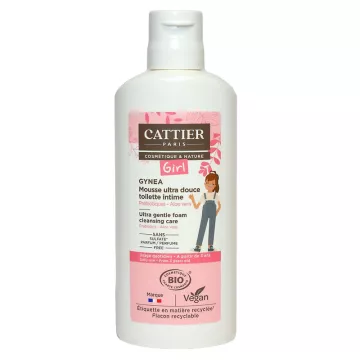
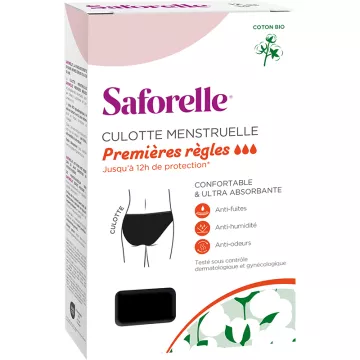
What Skin Care Is Best for Young Girls?
The skin of children and teenage girls has specific needs that change with age. Essential skincare products to prioritize:
- Mild, soap-free cleansers with a pH of 5.5
- Lightweight moisturizers formulated for young skin
- Broad-spectrum SPF 50+sunscreen, essential from a very young age
- Targeted treatments as needed (combination skin, atopic skin, early signs of teenage acne)
- Hypoallergenic products, dermatologically tested
- Minimalist formula: fragrance-free, alcohol-free, and dye-free
Skin needs evolve from childhood through adolescence, with special attention needed as puberty begins—a time when sebum production changes and skin changes may occur. To ensure proper hydration, specific skincare products for young skin are available.
How can you tailor skincare to your daughter’s age?
Adapting skincare to her age is essential to support her skin’s natural development:
- Ages 3 to 7: simple cleansingroutine (gentle cleansing gel, light moisturizer only if skin is dry), consistent sun protection
- Ages 7 to 10: same routine, with the option to add a light moisturizer if needed
- Ages 10 to 12 (pre-puberty): a cleanser suited to her skin if sebum production is starting to increase, a light, non-comedogenic moisturizer, protective lip balm, and sunscreen
- Ages 13 and up (adolescence): a more structured routine based on skin type (combination, oily, sensitive, acne-prone), targeted treatments as recommended by a dermatologist if needed
- Be cautious about using “adult” products that are too rich in active ingredients (retinol, fruit acids, etc.), which can be harsh on young skin
The transition should be gradual: no overly complex routines for preteens, and no use of anti-aging cosmetics or highly targeted treatments without a medical recommendation.
What criteria should be used to choose products?
Several criteria guide an informed choice:
- A short, easy-to-readingredient list (limited INCI, with no ingredients that appear to be unknown chemicals)
- Fragrance-free and dye-free
- Free of alcohol and acids that can irritate young skin
- Hypoallergenic according to Regulation (EC) No. 655/2013
- Tested under dermatological and pediatric supervision
- Non-comedogenic to prevent clogged pores
- Organic certifications (Cosmebio, Ecocert, Cosmos Organic) are preferred
- “Suitable for ages X and up” label on the packaging
- Airtightpackaging to preserve quality
- Suitable for the young girl’sskin type (dry, combination, oily, sensitive)
- References to sustainability and environmental commitments
Ask your pharmacist for advice if your daughter has particularly reactive or atopic skin, or if her skin is showing new symptoms.
How can you introduce your daughter to facial skincare?
Start gently, gradually incorporating a few simple steps:
- Start with a gentle cleanser morning and night, without rubbing
- Add a light moisturizer if the skin needs it
- Always apply sunscreen in the morning, starting at a very young age
- Introduce a protective lip balm in the winter or on windy days
- Explain the routine: gentle massage, reasonable duration, and the importance of patting the skin dry
- Do this in the morning and evening during a quiet moment
- Avoid overly specialized skincare products until the skin actually needs them
- Be patient with results: young skin reacts gradually
The goal is to establish healthy habits without overcomplicating your routine or becoming obsessed with your skin. Consistency is more important than the quantity of products used.
What steps can you take to maintain healthy skin?
Several habits contribute to healthy skin over the long term:
- Gently cleanse without scrubbing, using lukewarm water (never scalding hot)
- Pat dry —don’t rub
- Daily moisturizing with a suitable product
- Consistent sun protection, even on cloudy days, starting in March or April
- A balanced diet rich in fruits, vegetables, and omega-3s
- Stay hydrated with water—1 to 1.5 L per day, depending on age
- Adequate and regularsleep for cell regeneration
- Limit sugarysnacks and ultra-processed foods
- Wash hands before touching your face (to minimize breakouts)
- Do not pick at pimples (risk of scarring)
- Change pillowcases and face towelsregularly
Teaching simple habits helps establish good, lasting routines. When it comes to sun protection, consistent use starting in childhood prevents long-term skin damage.
What skincare is best for sensitive teenage skin?
Sensitive skin during adolescence requires particularly gentle care:
- Ultra-gentle cleansers, free of irritating surfactants (avoid SLS and SLES sulfates)
- Soothing skincare products with extracts ofaloe vera, chamomile, colloidal oats, and calendula
- Strictlyfragrance-free, alcohol-free, and free of essential oils
- Minimalist formulas: fewer ingredients = lower risk of reaction
- Emollient creams rich in glycerin, shea butter, or squalane
- Leave-on cleansing waters as an alternative
- Apply in thin layers, patting rather than rubbing
- Conducta 48-hourtolerance test before using any new product
- Limit changes to your routine: sensitive skin prefers consistency
For young girls with sensitive skin, advice from a pharmacist can help identify the most suitable formulas.
How can you establish a simple morning and evening routine?
A balanced routine is based on a few clear steps:
Morning routine:
- Gentle cleansing with water or a mild cleanser
- Moisturizer suited to your skin type
- SPF 50+sunscreen, even indoors if exposed to natural light
- Protective lip balm appropriate for the season
Evening routine:
- Remove makeup, if worn, with micellar water or a gentle cleanser
- Cleanse your face with a suitable cleanser
- Lightmoisturizer to support nighttime regeneration
- Targeted treatment only if necessary (as advised)
Simplicity ensures effectiveness and skin tolerance: too many steps can be harsh on young skin. A pre-teen’s routine can consist of just three products.
What kind of makeup is suitable for teenage skin?
When it comes to makeup for teens, a few precautions should be taken:
- Non-comedogenic products that don’t clog pores
- Lightweight formulas (BB cream or tinted moisturizer rather than heavy foundation)
- Free of long-chain parabens, phthalates, and irritating fragrances
- Ophthalmologically testedmascaras and eyeliners
- Always remove makeup at night, without exception
- Clean brushes and applicators, washed regularly
- Avoid sharing makeup
- Check the PAO (Period After Opening) on each product
- Test each new product on a small area
- Avoid metallicglitter, which can irritate sensitive skin
- Choose brands formulated for young skin
Use should remain occasional for younger people, as part of a healthy skincare routine. In case ofacne breakouts, use less makeup and opt for targeted products.
How can you tell if a product is hypoallergenic?
Several indicators make it easier to identify such products:
- The label “hypoallergenic” in compliance with Regulation (EC) No. 655/2013
- A short INCI list with identifiable ingredients
- Absence of the 26 allergens that must be listed on the label
- Fragrance-free, dye-free, alcohol-free
- Labeled “tested under dermatological supervision” or “tested under pediatric supervision”
- Organic labels and quality certifications (Cosmebio, Ecocert, Cosmos Organic)
- Texture and packaging suitable for sensitive skin
- Brands specializing in dermo-cosmetics or pediatric skincare (specific lines for sensitive skin)
- Reference to clinical studies documenting tolerance
A tolerance test on the inner elbow 48 hours before first use is still recommended, even with a product labeled as hypoallergenic: no formula can guarantee a complete absence of reaction on all skin types. If in doubt or if you have a history of allergies, ask your pharmacist for advice.