When exposed to cold, the body activates thermoregulatory mechanisms to maintain a core temperature of 37°C. Peripheral skin vasoconstriction limits heat loss—at the cost of reduced blood flow to the extremities, which causes the sensation of cold hands and feet. Muscular thermogenesis (shivering) and adipose thermogenesis (brown adipose tissue) produce heat through complementary pathways. These processes are energy-intensive—prolonged exposure to the cold increases the body’s need for iron, B vitamins, and magnesium. Poor blood circulation significantly amplifies the sensation of cold.
Excessive and persistent sensitivity to cold may indicate an underlying cause that needs to be investigated. Hypothyroidism is the most commonly overlooked cause—an underactive thyroid gland slows the basal metabolic rate and reduces heat production, leading to chronic sensitivity to cold accompanied by fatigue, weight gain, and constipation. Iron-deficiency anemia (ferritin < 30 µg/L) decreases oxygen transport to peripheral tissues and reduces available thermogenesis. Heavy legs associated with sensitivity to cold in the lower extremities may indicate venous insufficiency or poor peripheral microcirculation—these conditions warrant a medical evaluation.
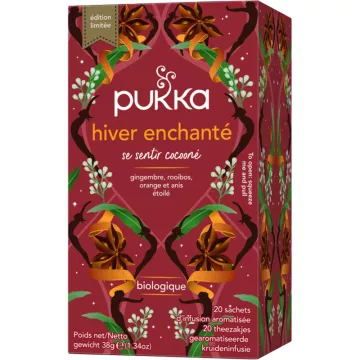
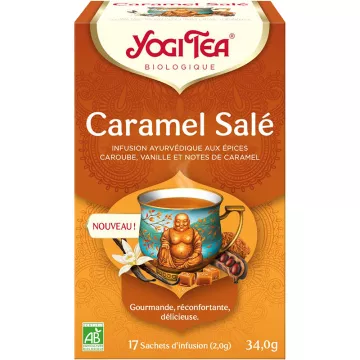
Several plants and spices have a documented thermogenic effect. Ginger (gingerols and shogaols) improves peripheral circulation through local vasodilation and stimulates lipid-mediated thermogenesis. Cinnamon (cinnamaldehyde) activates the thermoregulatory TRPA1 receptors and enhances the use of glucose as fuel for thermogenesis. Organic warming herbal teas (blends of ginger, cinnamon, cardamom, and black pepper) offer a simple and effective approach—the warming effect lasts 30 to 60 minutes after consumption. Aromatic preparations for sensitivity to cold (blends of warming essential oils) are applied as a diluted rub to the lower back, feet, and calves.
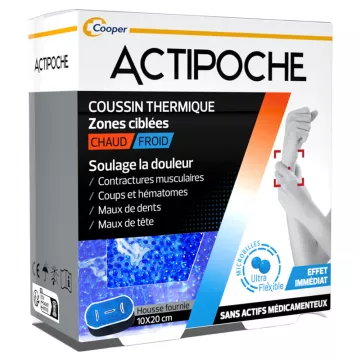
Cold and wind dry out the skin’s hydrolipidic film, increasing transepidermal water loss and weakening the skin barrier. The most exposed areas (hands, lips, heels) develop redness, flaking, and painful cracks. Nourishing creams rich in occlusive fats (shea butter, lanolin, argan oil, beeswax) create a protective barrier against water loss and should be applied consistently after every time you wash your hands. Microbead heating pads provide relief through local heat therapy for neck and lower back muscle spasms caused by postures adopted to protect against the cold.
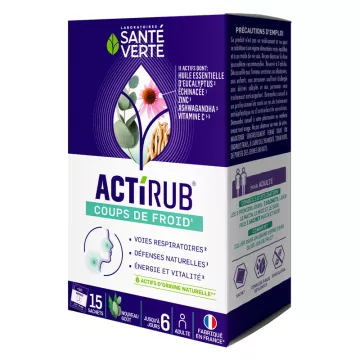
Most sensations of cold are harmless. However, certain signs should raise concern: extremities that turn white and then blue symmetrically in the cold (Raynaud’s phenomenon), persistent sensitivity to cold in heated indoor environments combined with unexplained fatigue (hypothyroidism), persistent numbness in a limb (neurological condition), or pain when walking in cold weather (peripheral arterial disease). These situations require a medical evaluation. Preventing cold-related ENT episodes requires a strong immune system—vitamin D3, zinc, and probiotics for seasonal prevention, and active ingredients for treating the common cold as soon as the first signs appear.
The layering principle is the most effective clothing strategy against the cold: a breathable, thermoregulatory base layer (merino wool, technical fibers) wicks away sweat and retains body heat; an insulating middle layer (fleece, down) traps warm air; a third windproof and waterproof layer protects against wind and external moisture. The extremities (hands, feet, ears) are where the most heat is lost—merino wool socks, thermo-active compression socks, and insulated gloves are essential. Compression socks help improve venous return and maintain better blood circulation in the lower extremities, reducing the sensation of cold feet associated with peripheral venous stasis.