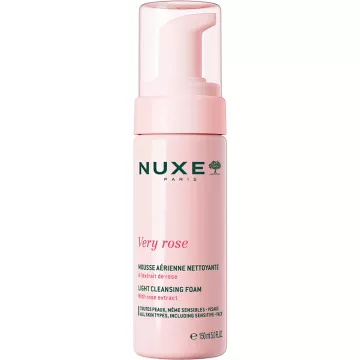
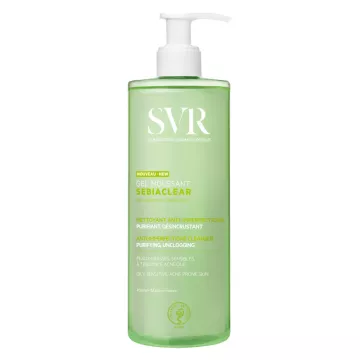
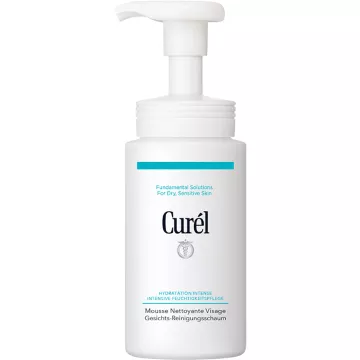
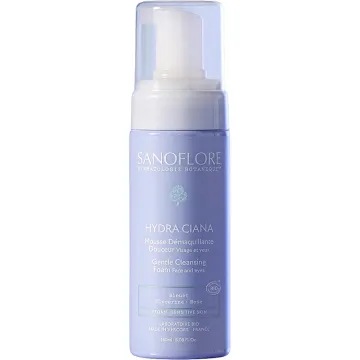
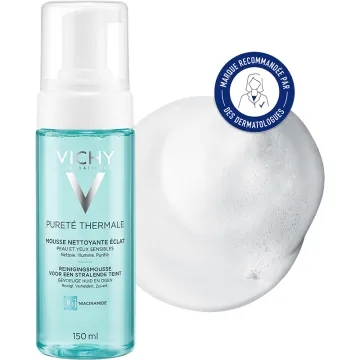
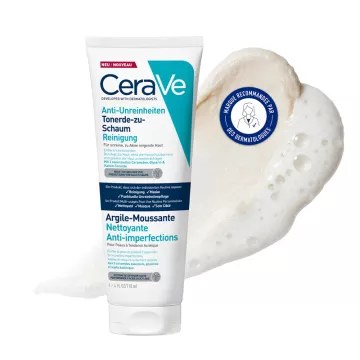
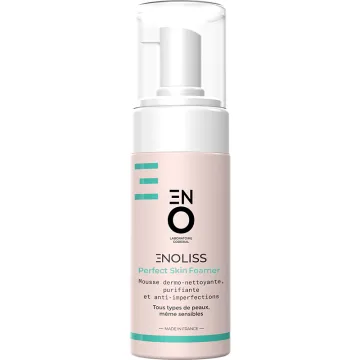
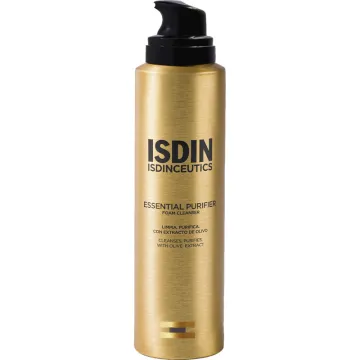
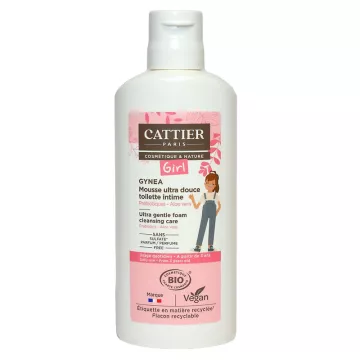
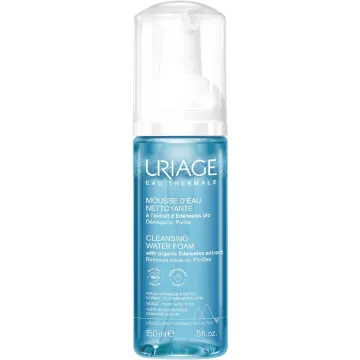
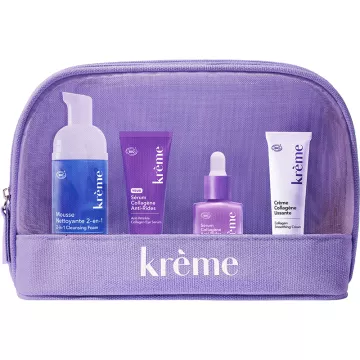
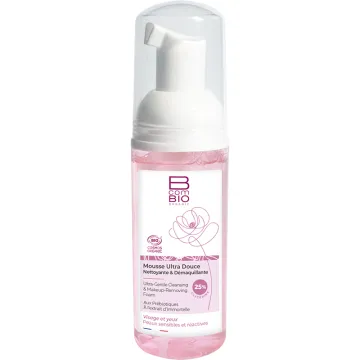
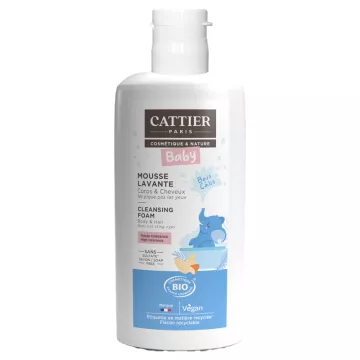
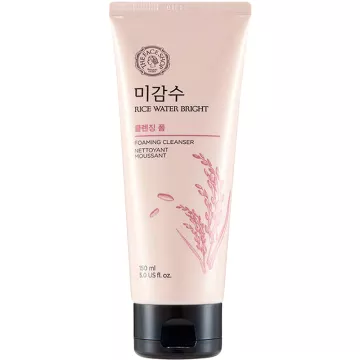
A cleansing foam is a light, airy cosmetic product designed to gently cleanse the face.
Suitable for all skin types, it removes impurities and excess sebum without irritating the skin, thanks to its gentle cleansing agents.
Its formula is often enriched with moisturizing or soothing active ingredients (aloe vera, hyaluronic acid, panthenol) that help maintain the skin’s natural balance during cleansing.
To explore our full selection, browse our facial cleansers section in our online pharmacy.
Using a cleansing foam daily offers several key benefits:
The cleansing foam is suitable for most skin types, with specific benefits depending on the formulation.
It is especially popular with combination to oily skin types for its ability to reduce excess sebum without drying out the skin.
Specific formulations are available for sensitive, dry, or acne-prone skin, enriched with aloe vera, hyaluronic acid, green tea extracts, or soothing active ingredients.
For oily skin, choose a non-comedogenic formula with a mattifying finish that regulates sebum production while being gentle on the skin.
Choosing the right cleansing foam depends on several factors:
To maximize the effectiveness of your cleansing foam, follow these simple steps:
The cleansing foam is particularly well-suited for acne-prone skin thanks to its ability to deeply cleanse without irritating the skin.
Formulas designed for this skin type often containsalicylic acid, zinc, or niacinamide—active ingredients that regulate sebum production and reduce local inflammation.
Choose an oil-free, non-comedogenic formula to avoid further clogging pores and aggravating breakouts.
Salicylic acid is not recommended for pregnant or breastfeeding women; if you havemoderate to severe acne, consult a dermatologist who can tailor your treatment, and explore our acne section.
Daily use of a cleansing foam —morning and night—is perfectly fine to keep your skin clean and comfortable.
Its gentle formula is specifically designed for regular use without irritating the skin.
For particularly sensitive skin or skin prone to conditions such as eczema, rosacea, or seborrheic dermatitis, cleansing once a day may be sufficient.
If you have a chronic skin condition, consult a dermatologist to determine the appropriate frequency and formulation for your specific situation.
The main difference between a cleansing foam and a cleansing gel lies in their texture and how they feel on the skin.
The foam has a light, airy texture that feels pleasant on the skin, making it ideal for gentle daily cleansing.
Gel has a denser, more compact consistency and is often preferred for very oily skin or for deep cleansing.
Normal to combination skin types particularly appreciate the foam for its comfort, while oily skin types may prefer the gel for its more effective action on sebum.
Some cleansing foams are specifically formulated to include makeup-removing properties.
For light makeup or basic makeup removal, a multifunctional foam is usually sufficient in a single step.
For eye makeup, long-wear, or waterproof makeup, use a suitable makeup remover first before applying the cleansing foam for best results; explore our makeup remover section.
This two-step routine ensures that all makeup residue is completely removed without aggressively rubbing the delicate skin around the eyes.
Incorporating a cleansing foam into an anti-aging routine is an excellent habit for preserving skin health over time.
Choose a foam enriched with antioxidants (vitamin C, vitamin E, polyphenols) that neutralize the free radicals responsible for skin aging.
After cleansing, follow up with targeted serums and a suitable moisturizer to maximize the benefits for mature skin.
If you use retinol or retinoids in your evening routine, choose a gentle foam without exfoliating ingredients to avoid cumulative irritation; retinol makes the skin photosensitive and requires a minimum SPF 30 during the day (medical retinoids such as tretinoin are available by dermatologist prescription).