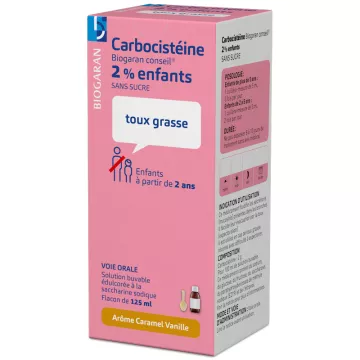
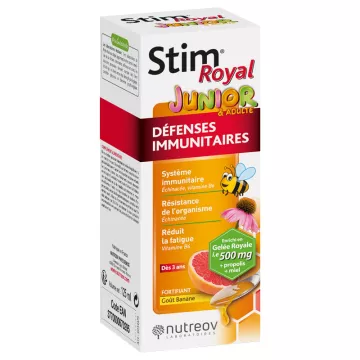
Children’s syrup is a liquid medication formulation designed to make it easier for young patients to take their medicine. Its flavored form and age-appropriate dosage make it the preferred option when taking tablets is not possible. Most pediatric syrups treat coughs, colds, fever, or pain, often in seasonal contexts.
Several advantages explain the widespread use of syrups for children: easy administration using a dosing syringe or a graduated cup, dosage adjusted to body weight, rapid absorption through the digestive tract, and a taste that is often better accepted than that of tablets. However, their prescription or recommendation is strictly regulated to prevent inappropriate use. For children’s coughs and colds in general, additional resources are available.
Several criteria guide the selection of a pediatric syrup:
For coughs and fevers in general, specific remedies are available.
Safe administration is based on a few simple principles:
A tracking sheet noting the times of doses helps prevent overdoses, especially when multiple adults are involved in the household. Taking the medication ideally after meals helps limit occasional digestive upset. Forchildren in general, specific resources are available.
Like any medication, pediatric syrups can cause side effects:
Any unusual or severe side effect warrants discontinuation of the medication and medical consultation. Oral decongestant syrups (pseudoephedrine and related compounds) are strictly contraindicated for children under 15 years of age according to the ANSM (serious cardiovascular risks). Codeine-containing cough suppressants are contraindicated for children under 12 years of age (respiratory depression). Aspirin should not be given to children with viral infections (Reye’s syndrome).
Here are a few guidelines for proper storage:
Several signs indicate that a syrup has become unusable: change in color, unusual odor, non-miscible sediment after shaking, or altered viscosity. Any syrup that appears questionable should be disposed of at a pharmacy through the Cyclamed program. Your pharmacist remains a valuable resource for guiding your choice, checking for drug interactions, and adjusting the dosage to the child’s needs, in addition to regular pediatric follow-up.