
The health of dairy and beef cattle is dominated by a few recurring diseases with significant economic impact. Mastitis (inflammation of the udder) is the most costly disease in the global dairy industry—it can be subclinical (decreased milk production without visible signs) or clinical (fever, pain, changes in milk quality, hyperthermia). Postpartum conditions (metritis, retained placenta, hypocalcemia or milk fever, ketosis) occur in the weeks following calving. Locomotor disorders (laminitis, sole ulcers, digital dermatitis) are the second leading cause of culling in dairy farming. Vitamin D3 plays a key role in preventing postpartum hypocalcemia by improving intestinal calcium absorption and bone mobilization.
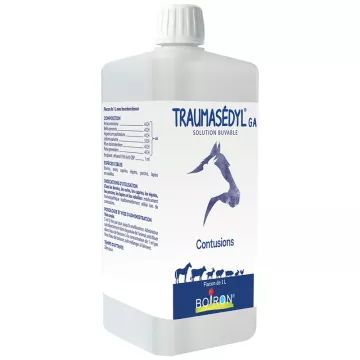
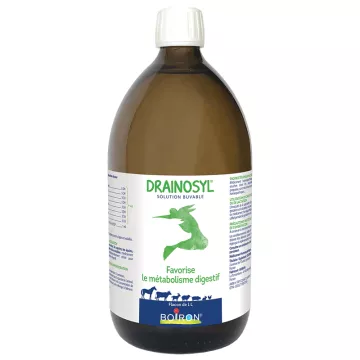
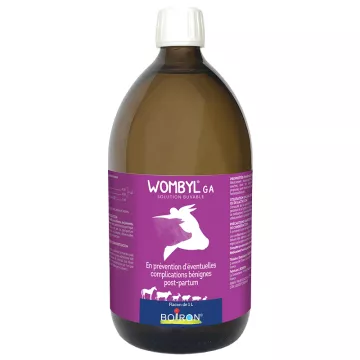
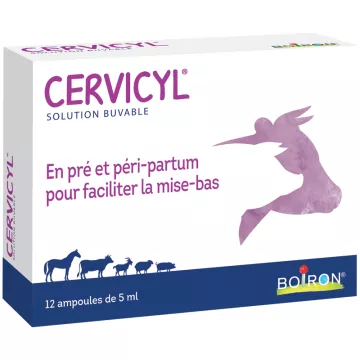
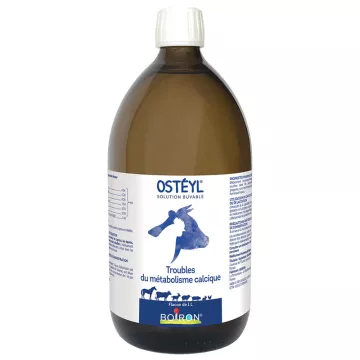
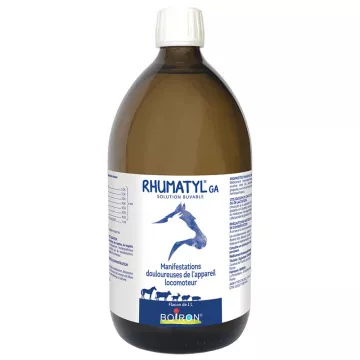
Veterinary homeopathy for large animals offers a specific line of products for cattle. The main formulas target trauma and contusions (injuries during handling), rheumatic conditions (chronic arthritis), liver drainage during periods of metabolic stress, postpartum uterine disorders (placental retention, metritis), and udder congestion and inflammation. The Wombyl GA formula is indicated for pregnant cows to prevent postpartum complications. The Osteyl GA formula supports calcium metabolism as a supplement to nutritional prevention of milk fever. Magnesium is also involved in neuromuscular regulation—a deficiency can exacerbate hypocalcemia during calving.
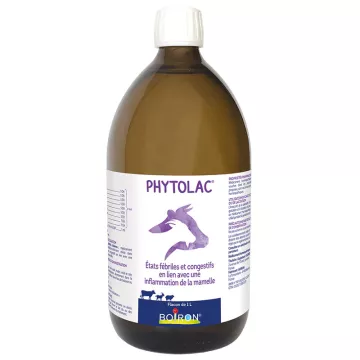
Bovine mastitis is characterized by its bacteriological diversity (Staphylococcus aureus, Streptococcus agalactiae, Escherichia coli, Klebsiella) and its direct impact on milk quality (somatic cell count, milking criteria). Treatment of clinical mastitis combines intramammary and systemic antibiotic therapy (for severe cases), nonsteroidal anti-inflammatory drugs, and therapeutic drying off if necessary. As a complementary approach, Phytolac (Phytolacca decandra) is indicated for febrile conditions and mammary inflammation, and homeopathic intramammary ointment is administered for mild cases without an identified bacterial agent. Boswellia extract (boswellic acids, a documented natural anti-inflammatory) can complement the management of chronic, recurrent mastitis with a persistent inflammatory component.
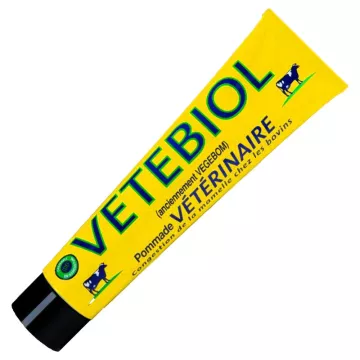
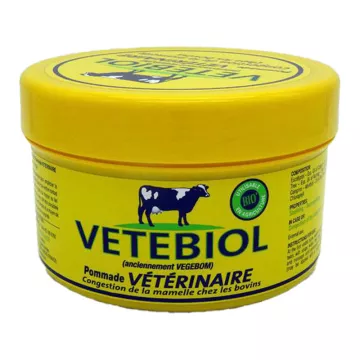
Mammary congestion—swelling observed during the calving period (pre-calving edema) or in cases of mild mastitis—is treated with regular massage using specific veterinary ointments. These formulations combine decongestant active ingredients (camphor, menthol, vasodilatory essential oils), topical anti-inflammatory agents, and mild antiseptic active ingredients. Available in 100-gram tubes (for targeted individual treatment) or 400-gram sizes (for herds or repeated treatment), they complement conventional intramammary treatments. Curcumin (a concentrated extract of turmeric) is increasingly used in bovine veterinary medicine for its anti-inflammatory effect on chronic conditions, without the side effects that conventional NSAIDs have on the digestive mucosa.
Fungal skin infections (ringworm, dermatophytoses) affect both cattle and domestic carnivores, with a risk of transmission between species and to humans (zoonoses). Bovine ringworm (Trichophyton verrucosum) presents as circular, scaly, alopecic patches, primarily on the head and neck of calves. Management involves:
These same antifungal agents are used in adult cats to treat dermatophytoses—feline ringworm (Microsporum canis) being the most common skin fungal infection in cats.
Several situations require immediate veterinary intervention in cattle: hyperthermia (rectal temperature > 39.5°C), signs of severe clinical mastitis (black udder, serosanguineous milk, altered general condition), postpartum milk fever (a cow lying down and unable to rise within 24–48 hours after calving), retained placenta beyond 24 hours, neurological signs (opisthotonos, convulsions), or abnormal mortality in the herd. The livestock veterinarian also establishes the vaccination schedule, manages antibiotic treatments (prescription required, traceability in the herd record), and conducts reproductive health assessments. Regular monitoring—even in the absence of clinical signs—allows us to anticipate peaks in seasonal diseases. The same principles of early vigilance apply to cats and all animals for whose health we are responsible.