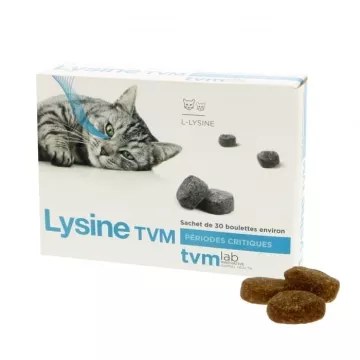
Cats are strict carnivores whose physiology differs fundamentally from that of dogs. Their liver metabolism lacks certain glucuronidation enzymes—which makes many substances (phenols, acetaminophen, permethrin, phenolic essential oils) toxic at doses tolerated by dogs or humans. Their requirements for essential amino acids are higher: taurine (vision, heart, immunity) and arginine (urea cycle) cannot be synthesized in sufficient quantities—deficiencies in these lead to dilated cardiomyopathy and fatal ammonemia, respectively. L-lysine is used in feline veterinary herbal medicine to limit the replication of the feline herpesvirus (FHV-1), which causes coryza and recurrent conjunctivitis—it competes with arginine for intestinal absorption and reduces the viral load during flare-ups.
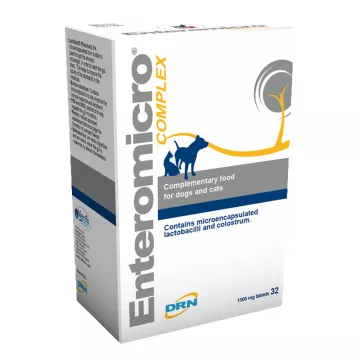
A cat’s gut microbiota is less diverse than that of a dog or a human, making it more vulnerable to disruptions (antibiotic therapy, stress, viral infections, dietary changes). Feline probiotics (Lactobacillus acidophilus, Bifidobacterium animalis, Enterococcus faecium—strains specific to cats) restore the balance of the microbiota after a disturbance. Multi-strain tablets are easy to administer on a treat or mixed into wet food. Veterinary probiotics contain CFU (colony-forming unit) doses tailored to a cat’s shorter digestive transit time—insufficient concentrations will not survive a cat’s stomach acid.
A kitten younger than 4 weeks separated from its mother requires a replacement formula tailored to the composition of cat milk (7–9% protein, 4–5% fat, low in lactose). Cow’s milk is contraindicated—its lactose content causes severe osmotic diarrhea. The feeding protocol follows several steps:
These same principles of frequent, small feedings apply to premature kittens or those having difficulty nursing.
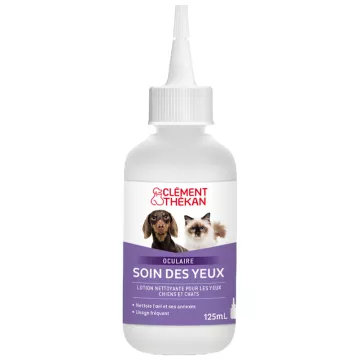
Feline coryza (FHV-1 + calicivirus + Chlamydia) is the most common cause of conjunctivitis in cats. Mucopurulent discharge, epiphora, and blepharospasm require twice-daily cleaning with a sterile ophthalmic lotion (saline solution or a specific veterinary lotion). In addition to the oral L-lysine prescribed by the veterinarian, this mechanical cleaning reduces the risk of bacterial superinfection and the formation of painful crusts on the eyelids. Dry eyes (keratoconjunctivitis sicca) can occur as a complication of severe coryza—in such cases, lubricating eye drops containing sodium hyaluronate (0.1–0.4%) are prescribed.
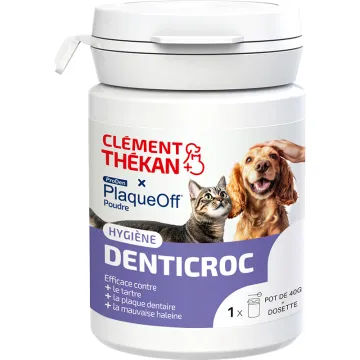
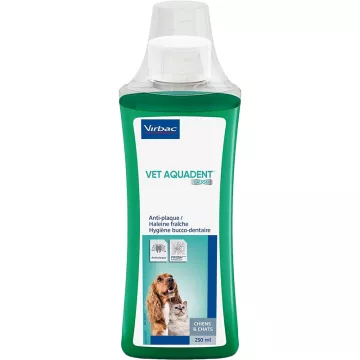
Tartar affects more than 70% of cats over 3 years of age and contributes to periodontal disease, tooth resorption (FORL), and secondary bacteremia. Daily brushing with a veterinary enzymatic toothpaste remains the most effective approach, but few cats tolerate it. Alternatives include antiseptic oral solutions (diluted chlorhexidine or low-dose xylitol) added to drinking water, enzymatic chew treats (bromelain), and oral gels applied directly to the gums. An annual dental cleaning under anesthesia becomes necessary if preventive oral hygiene is insufficient.