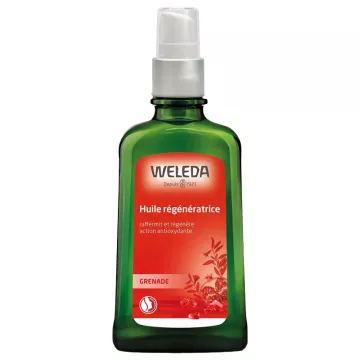
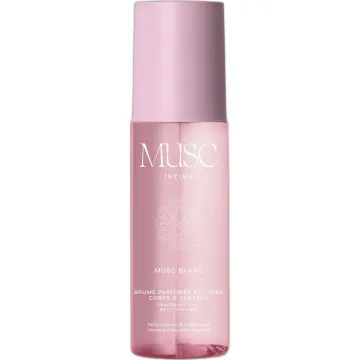
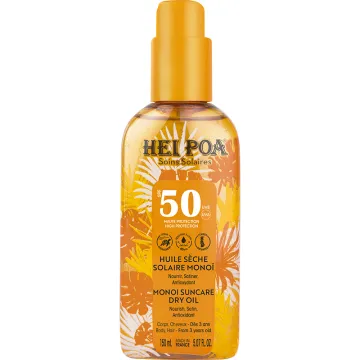
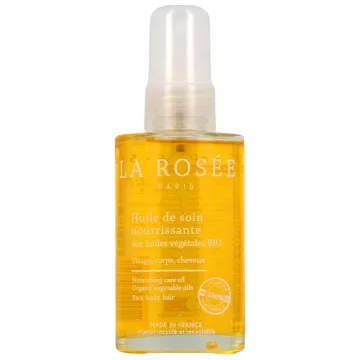
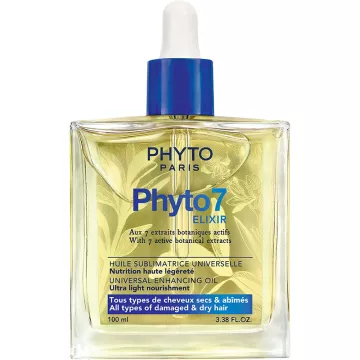
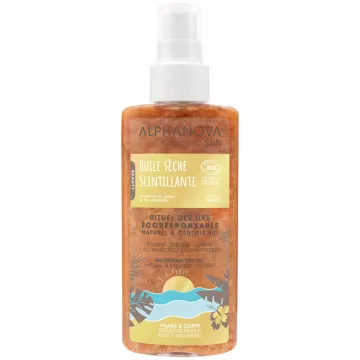
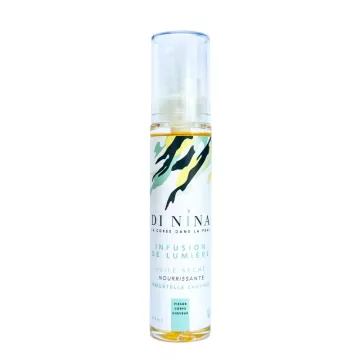
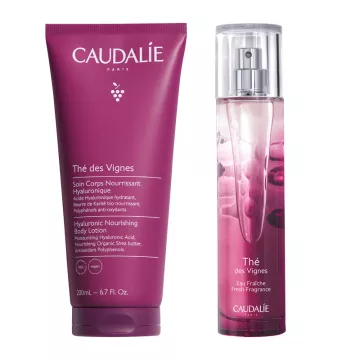
Body oil is a lipid-based moisturizer designed to deeply nourish the skin. Unlike creams and lotions, which are water-in-oil emulsions, it consists mainly of plant-based oils extracted from plants, fruits, or seeds. Its main benefits include: enveloping hydration, strengthening of the hydrolipidic film, immediate skin comfort, and visibly more supple skin. It is particularly valued for soothing dry skin, relieving feelings of discomfort, and restoring long-lasting softness.
Choosing a body oil suited to your skin type is essential to getting the most out of it. For dry skin, opt for oils rich in essential fatty acids, such as sweet almond orargan oil, which are more nourishing. Sensitive skin will benefit from soothing oils infused with calendula or chamomile. For combination to oily skin, it’s best to opt for lightweight, non-comedogenic oils like jojoba or grapeseed oil, which help balance sebum production without leaving an occlusive film.
For best results, applybody oil to slightly damp skin. This helps lock in residual moisture and prolong the hydrating effect. After stepping out of the shower or bath, pat your skin dry with a towel to leave it slightly damp, then warm a few drops of oil between your palms before applying it in circular motions. This gentle massage promotes a pleasant warming sensation, aids absorption, and transforms the ritual into a truly relaxing experience.
A high-quality body oil is recognized by its simple formula. It’s best to avoid products containing long-chain parabens, phthalates, or heavy synthetic fragrances, which can cause discomfort on sensitive or reactive skin. Opt for virgin, first-cold-pressed oils—ideally certified organic—formulated with a short, easy-to-read list of ingredients. The presence of a natural antioxidant like vitamin E (tocopherol) is a good sign: it helps protect the oil from oxidation.
Incorporating body oil into your routine is very simple. It can be used in the morning or at night, but is especially enjoyable at night, when the skin has the entire night to benefit from its nutrients. For a sensory experience, you can add a few drops to your bathwater: your skin will emerge enveloped in a silky veil. Depending on your needs, it can replace or complement a cream in a targeted body-nourishing routine, applied as the final layer after a moisturizing lotion.
Yes,body oil is versatile. Beyond moisturizing, it can be used on dry hair ends as a finishing touch, as a gentle makeup remover to dissolve waterproof makeup and impurities, or as a massage oil. A small amount of oil warmed between your palms is usually enough for a complete pampering ritual, from face to body.
Body oil and moisturizer differ in their composition and sensory experience. Oil is a lipid-based formula: it penetrates the hydrolipidic film and provides rich lipid hydration, making it ideal as a follow-up to a water-based treatment. Cream, on the other hand, is an emulsion that combines an aqueous phase and an oily phase, making it feel lighter and quicker to apply. For very dry skin or rougher areas (elbows, knees, heels), body oil is unbeatable; for quick daily use, body cream is very practical. Many skincare routines combine both to provide both hydration and nourishment.
A well-chosen body oil can help visually fade skin marks and stretch marks. By nourishing the skin and supporting superficial skin renewal, it helps make the epidermis more supple and even-toned to the eye. Oils such as calophyllum (tamanu) or avocado oil are often recommended for this purpose. For significant reduction of old stretch marks or hypertrophic scars, a dermatologist’s advice is still necessary: cosmetic products support but do not treat.
Yes, certain body oils are also suitable for the face, provided you choose a formula suited to your facial skin type. For combination, oily, or acne-prone skin, it’s best to opt for lightweight, non-comedogenic oils such as squalane or jojoba. For dry skin, more nourishing oils like argan oil provide real comfort. As with any new cosmetic product, it’s recommended to perform a patch test on a small area (such as the crook of the elbow or behind the ear) 24 to 48 hours before applying it to the entire face.
Absolutely:body oil can be used year-round, including in the summer. In hot weather, opt for light, delicate textures that don’t leave a greasy feeling: fractionatedcoconut oil, grapeseed oil, or jojoba oil absorb quickly and feel pleasant on warm skin. The vitamin E in the formula helps neutralize free radicals caused by environmental stressors, though it does not replace dedicated sunscreen (which must be applied before any sun exposure).
To maintain the effectiveness of a body oil, it’s best to store it in a cool, dry place, away from direct light. Vegetable oils are sensitive to oxidation: heat, air, and UV rays break down their most fragile fatty acids. Opt for an amber or opaque glass bottle and close the cap tightly after each use. A change in color, a rancid odor, or a suspicious sediment are signs of oxidation: in that case, it’s best to replace the bottle. When stored properly, a virgin oil generally lasts 12 to 18 months after opening.