What is a body gel, and how does it differ from a cream or lotion?
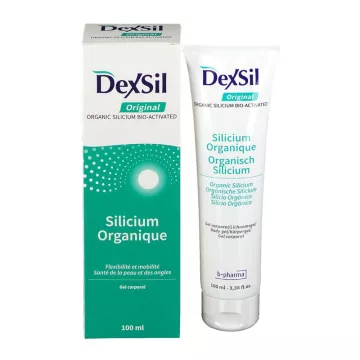
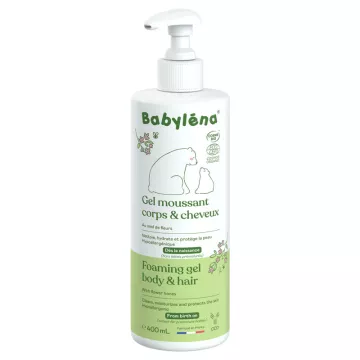
Body gel is a water-based formula—water, aloe vera, or aloe gel—enriched with moisturizing or targeted active ingredients, with very little or no oil. Its light, translucent, and fast-absorbing texture clearly sets it apart from body creams and lotions.
- Gel: water-based texture, absorbs immediately, non-greasy feel—ideal for combination to oily skin, hot weather, and exercise
- Lotion or body milk: light oil-in-water emulsion—moderate hydration, suitable for normal skin in all seasons
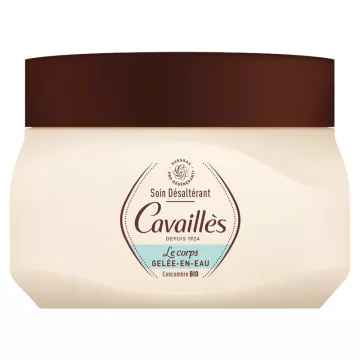
- Cream: a richer, more occlusive emulsion—for dry to very dry skin, winter, and areas prone to friction
- Target pH of a good body gel: around 5.5—preserves the skin’s acid mantle and reduces the risk of irritation
Which body wash should you choose based on your skin type?
The gel’s light texture is suitable for most skin types as part of a daily skincare routine—but the active ingredients vary depending on your needs.
- Sensitive and reactive skin: fragrance-free, alcohol-free, dye-free gel—formulated with aloe vera, calendula, or cornflower water—dermatologically tested and hypoallergenic
- Normal to combination skin: a lightweight moisturizing gel with hyaluronic acid or panthenol—hydration without a greasy film
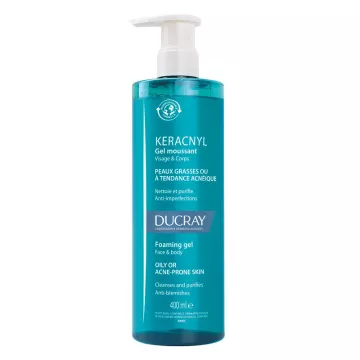
- Skin prone to breakouts (body acne): non-comedogenic gel with tea tree oil or salicylic acid—cleanses pores and reduces mild inflammation
- Mildly dry skin: gel enriched with glycerin and urea—deeper hydration without a greasy texture—for those who find heavy creams uncomfortable in the summer
- Gels with AHAs (glycolic acid, lactic acid): exfoliate and brighten the complexion—require SPF 30 during the day (photosensitivity)
How should you apply a body gel to maximize its effectiveness?
The application technique makes all the difference—especially for a fast-absorbing gel.
- Apply to slightly damp skin, right after showering—the residual water boosts hydration through a partial occlusion effect
- Massage in upward circular motions—this promotes microcirculation and improves absorption
- Focus on areas prone to friction (elbows, knees, heels) if the gel is rich enough—otherwise, follow up on these areas with a cream
- Post-workout gels: Apply immediately after showering—refreshing sports formulas (menthol, witch hazel) are best applied after exercise
- Do not apply a gel formulated for the body to the face—facial skin is thinner and has different needs
What active ingredients should you look for in a drugstore body gel?
A drugstore body gel stands out for the quality and concentration of its active ingredients.
- Hyaluronic acid: a humectant that locks in moisture in the skin’s outer layers—long-lasting hydration without a greasy feel
- Aloe vera: soothing, refreshing, anti-irritant—ideal for after sun exposure or exercise
- Panthenol (vitamin B5): restorative, strengthens the skin barrier—well-tolerated by sensitive skin and mild atopic skin
- Glycerin: a classic, cost-effective, and highly effective humectant—found in most moisturizing gels
- Green tea extract, vitamin C, resveratrol: antioxidants for anti-aging body gels
- See our body care section and our moisturizing line
What precautions should be taken with body gels containing potent active ingredients?
- AHAs and BHAs (glycolic acid, salicylic acid): photosensitizing—SPF 30 is required during the day; avoid while tanning
- Gels containing menthol or camphor: not recommended for children under 3 years of age or on the face
- Gels with essential oils: check the INCI list—allergens listed in Regulation (EC) No. 1223/2009 (linalool, limonene, geraniol) must be declared—perform a patch test before widespread use if you have a history of allergies
- Pregnant women: Avoid gels containing essential oils that have not been evaluated and keratolytic active ingredients (AHAs/BHAs) without medical advice