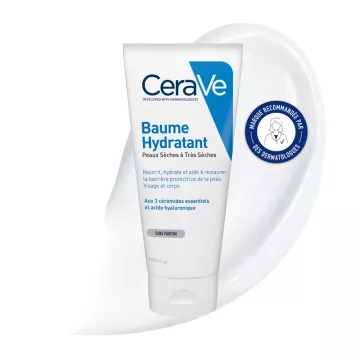
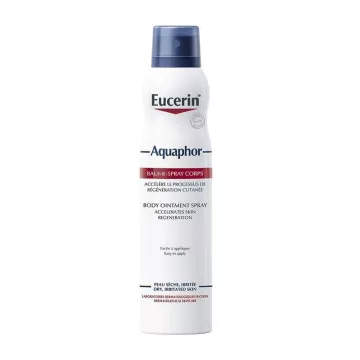
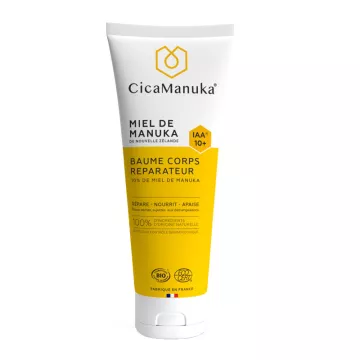
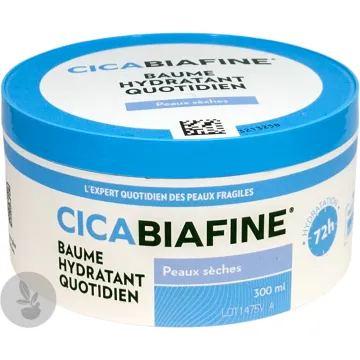
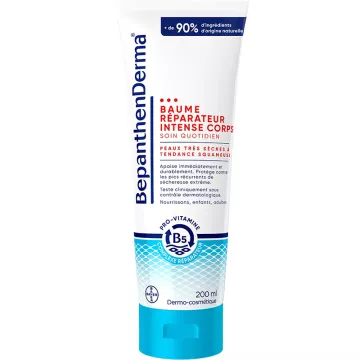
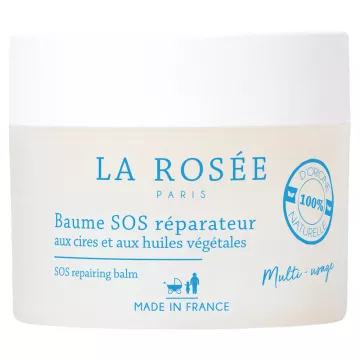
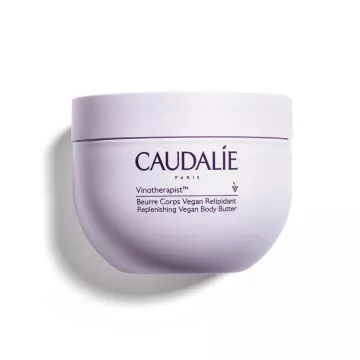
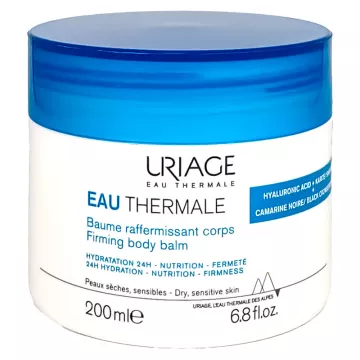
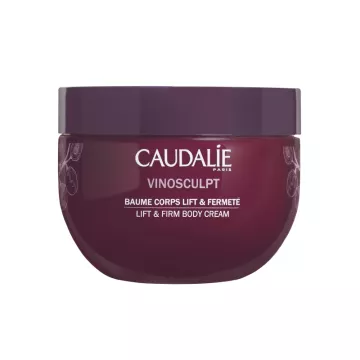
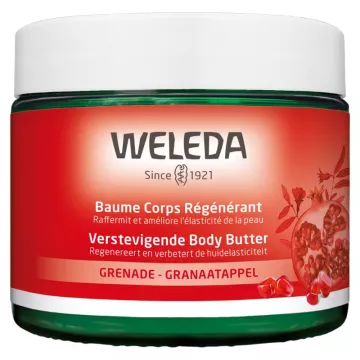
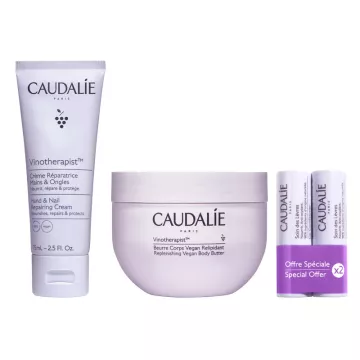
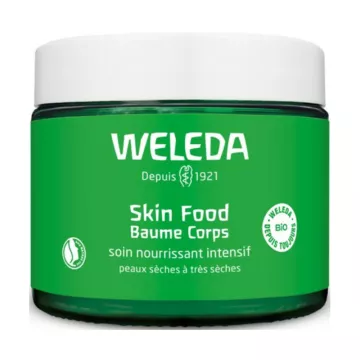
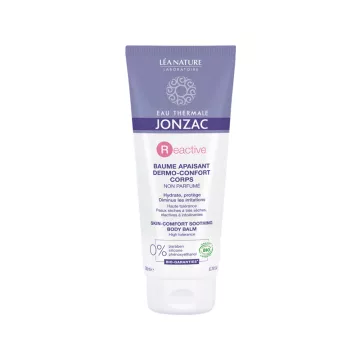
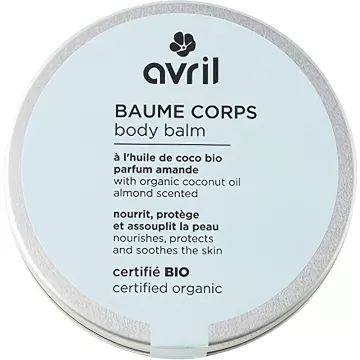
A body balm is a concentrated moisturizer designed to deeply nourish the skin. Its rich, thick texture sets it apart from lighter lotions and creams. Balm is particularly effective for treating very dry or damaged areas thanks to its blend of oils, natural butters (shea, cocoa), and emollients that lock moisture into the skin, leaving it soft, supple, and deeply hydrated.
Body balm offers several key benefits that justify its place in a routine tailored to demanding skin types.
Choosing a body balm depends on several key criteria to consider before purchasing.
To maximize the benefits of a body balm, apply it to clean, slightly damp skin, ideally after a shower or bath. Gently massage it in, paying special attention to very dry or damaged areas. You can reapply it daily or as needed.
Body balm is useful year-round, but its benefits are especially essential in winter or in dry climates, when the skin loses moisture more quickly. It’s also perfect as an after-sun treatment to repair and soothe sun-exposed skin.
The main difference lies in the texture and concentration of active ingredients. Body balm has a thicker, richer texture, which provides more intense and long-lasting hydration. It’s designed for extremely dry areas and forms a protective layer that locks in moisture. Moisturizing cream, with its lighter texture, is better suited for daily use all over the body.
It’s best to avoid using body balm on your face unless specifically recommended by the manufacturer. The skin on your face is thinner and more sensitive, so it requires lighter products. Body balms can clog pores and cause breakouts; opt for specialized products tailored to your skin type.
Body balms are particularly beneficial for dry and very dry skin, but there are also formulations suited for sensitive or oily skin. For oily skin, opt for non-comedogenic balms with a lighter texture. Those with sensitive skin should look for balms free of fragrance and artificial dyes.
To preserve the quality and effectiveness of your balm, store it in a cool, dry place, away from direct light and heat. Close the container tightly after each use to minimize exposure to air and bacteria. Most body balms last 12 to 24 months after opening; always check the expiration date on the packaging.
Yes, you can make your own homemade body balm using natural ingredients. A basic recipe combines plant-based butters (shea or cocoa), nourishing plant oils such ascoconut oil or sweet almond oil, and a few drops of essential oil for a delicate scent. Follow the recommended proportions and test the finished product on a small area of skin to rule out any risk of an allergic reaction before using it more extensively.