What is a bruise, and how does it form?
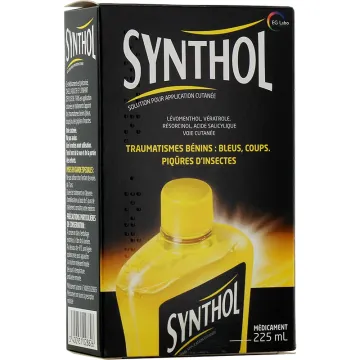
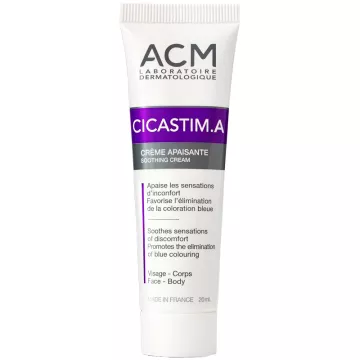
A bruise (or ecchymosis) results from the rupture of small subcutaneous blood capillaries following an impact, without any damage to the skin. The blood that leaks into the soft tissues is gradually broken down by macrophages—hemoglobin → biliverdin (green) → bilirubin (yellow) → reabsorption. The color progression from blue-purple → green → yellow-brown reflects this breakdown process and lasts 7 to 14 days. Products for treating bruises and ecchymoses are available in the “Bumps and Bruises” section of the store.
- Mechanism of formation: direct trauma (impact, contusion, pinching) → rupture of capillaries → red blood cell extravasation → skin discoloration (superficial ecchymosis) or deep tissue collection (hematoma)
- Factors contributing to easy bruising: capillary fragility (vitamin C or P deficiency—bioflavonoids) — coagulation disorders (hemophilia, von Willebrand disease) — vitamin K deficiency — anticoagulants and antiplatelet agents (aspirin, clopidogrel, warfarin, AOD) — long-term corticosteroid use (skin atrophy) — skin aging (senile purpura) — chronic alcohol use
- Distinguish between a benign bruise and a serious injury: benign bruise (disappears within 7–14 days, stable size, moderate pain) — seek medical attention if: increasing size (expansive hematoma), persistent severe pain, suspected underlying fracture, periorbital location following head trauma (sign of a skull base fracture) — spontaneous bruises without trauma → medical evaluation (coagulopathy, thrombocytopenia)
How should a bruise be treated to speed up its resolution?
- Immediate cold therapy (0–48 h): ice pack wrapped in a cloth — 15 to 20 min, 3 to 4 times a day — local cooling causes vasoconstriction, limits the spread of bleeding, and reduces edema — never apply ice directly to the skin (risk of frostbite)
- Gentle heat (after 48 hours): warm compress — vasodilation facilitates the reabsorption of extravasated blood — warm baths — gentle massage from bottom to top
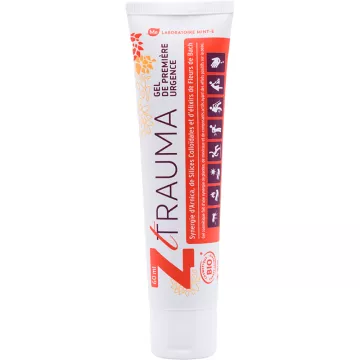
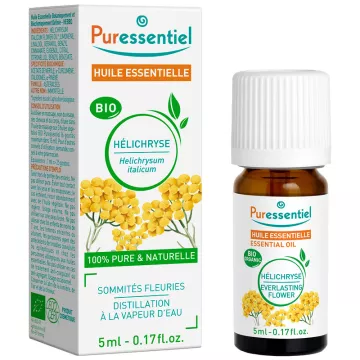
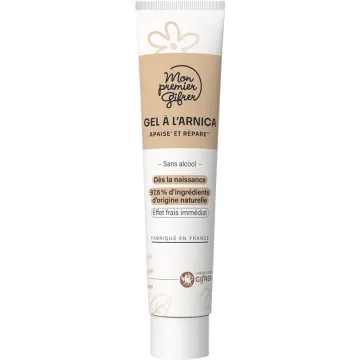
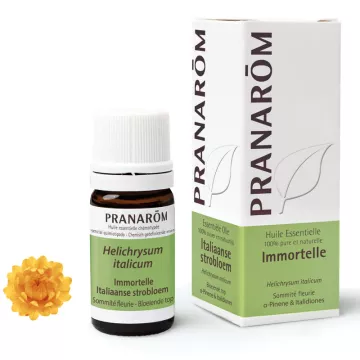
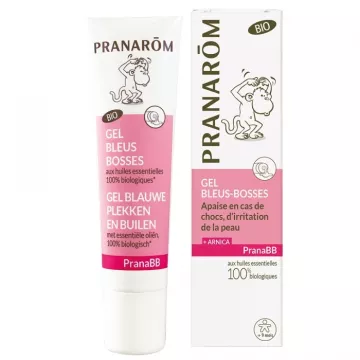
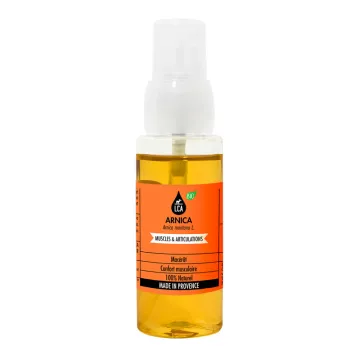
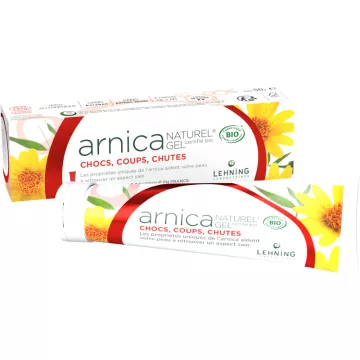
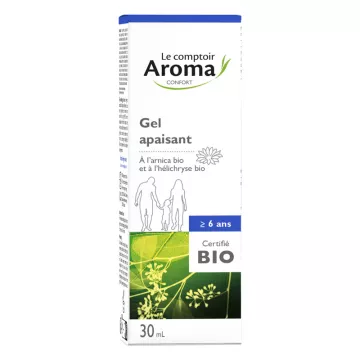
- Arnica montana: helenin and helicoside — anti-inflammatory and anti-edematous properties — reduces pain and accelerates the resolution of bruising — as a topical gel or cream (2 to 3 applications per day) — do not apply to broken or open skin — homeopathic use is also possible (5 CH orally)
- Escin (horse chestnut): anti-edematous and vasoconstrictive — reduces capillary leakage and accelerates the resolution of bruises — available as a topical gel or in capsules — often combined with arnica
- Elevating the limb: reduces gravitational edema — elevate the injured area above heart level
How can you prevent bruises and strengthen capillary resilience?
- Vitamin C: cofactor in the synthesis of collagen in the vascular wall — strengthens capillaries and reduces their fragility — 500 to 1,000 mg/day — citrus fruits, kiwi, bell peppers, black currants
- Bioflavonoids (rutin, hesperidin, quercetin): enhance the action of vitamin C — reduce capillary permeability and fragility — clinical data on vascular fragility — often combined with vitamin C in vascular support formulas
- Zinc: a cofactor in wound healing and tissue repair — accelerates the healing of bruised tissues — 10 to 15 mg/day
- Vitamin K: essential for the synthesis of clotting factors (II, VII, IX, X) — dark leafy greens (spinach, broccoli, lamb’s lettuce) — caution: patients taking VKA (warfarin) must maintain a consistent intake of vitamin K and consult their doctor before taking any supplements
- Recurrent or spontaneous bruising without trauma → consult a doctor for a coagulation panel (PT, APTT, platelets, clotting factors)