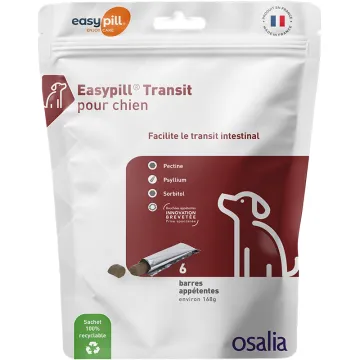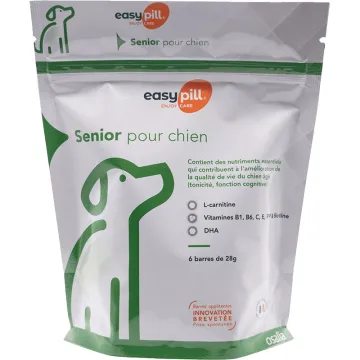
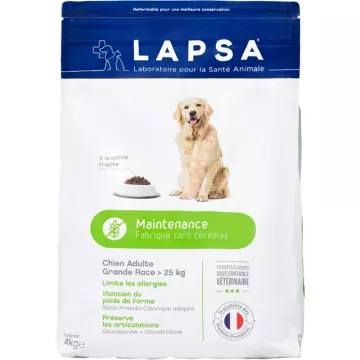
Large dogs (breeds weighing more than 25 kg as adults—German Shepherd, Labrador, Golden Retriever, Setter, St. Bernard, Great Dane) have a very different health profile from small and medium-sized breeds. They have a shorter lifespan (8–12 years compared to 15 years for small breeds), their growth is slower and carries greater risks (12 to 24 months for very large breeds), their digestive system is larger and more prone to motility disorders, and their musculoskeletal system is subject to weight-related mechanical stress. Dyspepsia (slow digestion, frequent belching, postprandial gastric discomfort) is particularly common in large breeds, whose anatomical structure exposes the stomach to gastric dilatation-volvulus (GDV)—a life-threatening surgical emergency requiring rapid intervention.
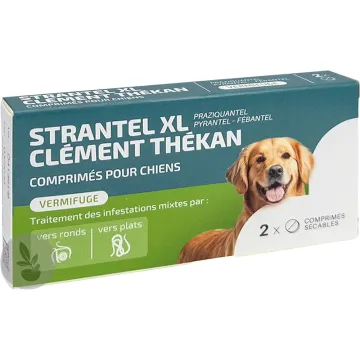
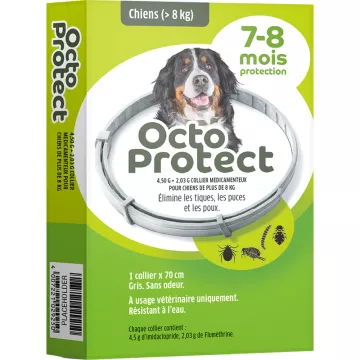
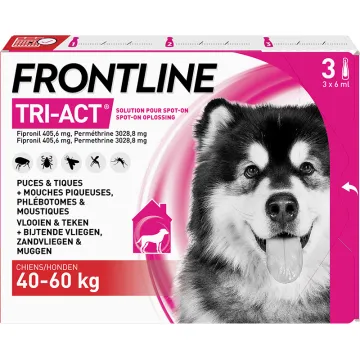
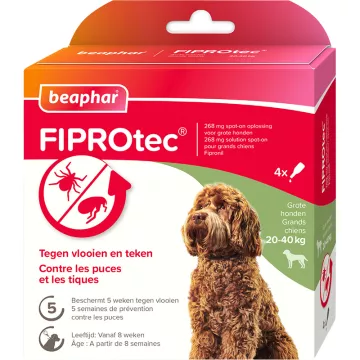
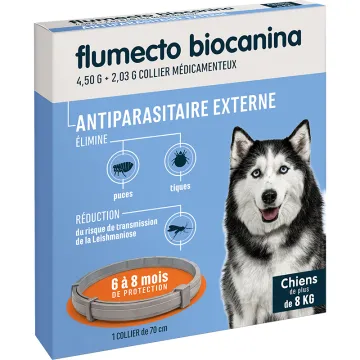
Parasite preventatives are dosed by weight—under-dosing reduces effectiveness and can lead to parasite resistance, while over-dosing (using multiple small pipettes) poses a risk of toxicity. Formulas for large and very large breeds (L: 20–40 kg and XL: 40–60 kg) are formulated with the volume and concentration appropriate for the dog’s size. Tri-Act pipettes (fipronil + S-methoprene + permethrin) for large breeds offer extended protection against mosquitoes and sand flies—vectors whose risk increases in proportion to the exposed body surface area. Intestinal upset during deworming treatments is more pronounced in large breeds—dividing the meal into smaller portions on the day of treatment reduces this discomfort.
The growth phase of large breeds is the most critical time for future joint health. A Ca/P imbalance can disrupt endochondral ossification and contribute to hip dysplasia, elbow dysplasia, and osteochondrosis. Essential preventive measures include:
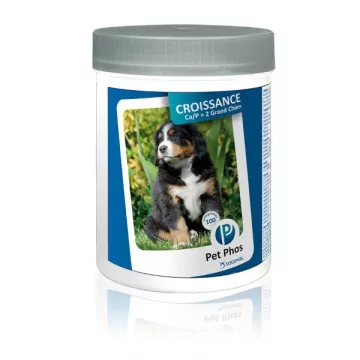
Growth supplements specifically formulated for large breeds (Pet-Phos Growth for Large Dogs, balanced formula) help meet nutritional needs without the risk of overload colitis or mineral imbalance.
Gastric dilatation-volvulus (GDV) is the leading surgical emergency in large and very large breeds—fatal within a few hours without intervention. The stomach expands due to gas accumulation and then twists on itself, blocking the gastric inlet and outlet. Cumulative risk factors include body conformation (deep, narrow chest), a single large meal, aerophagia, intense exercise within an hour after eating, and stress. Prevention involves dividing meals into smaller portions (at least twice a day), using anti-gulping bowls, avoiding postprandial exercise, and prophylactic gastropexy in highly predisposed breeds. Acute gastroenteritis can trigger GD in predisposed dogs.
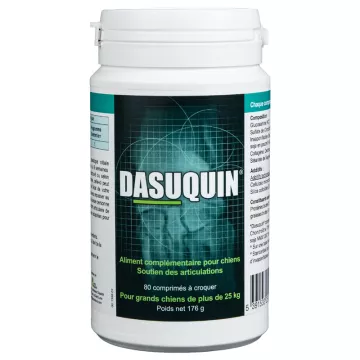
Adult large-breed dogs are prone to early-onset osteoarthritis (as early as 5–6 years of age for very large breeds) due to continuous mechanical stress. Joint supplements (glucosamine, chondroitin, MSM, omega-3 EPA/DHA Resolvines) are essential as soon as the first signs appear. The 5-in-1 multifunctional treats, formulated for large breeds, combine support for joints, immunity, digestion, skin, and energy in a single daily treat tailored to the dog’s size. Irritable bowel syndrome is common in large, anxious breeds (German Shepherds, Border Collies)—stress management is an integral part of overall digestive care.
In large breeds, several signs require a veterinary consultation within the hour: a distended and resonant abdomen (probable DTG—never wait), unsuccessful attempts to vomit (a nearly pathognomonic sign of gastric torsion), sudden prostration, pale or bluish mucous membranes, or difficulty breathing. Outside of emergencies, any episode of bloody diarrhea, sudden lameness, or warm, painful joint swelling warrants a veterinary visit within 24 hours. Preventive care—feeding smaller, more frequent meals, weight management, and joint supplements starting at maturity—remains the best strategy for extending the lifespan and improving the quality of life of large companion animals.