What are the essential steps for beautiful skin?
Beautiful skin is the result of a simple yet consistent routine:
- Gentle cleansing morning and night: remove impurities, sebum, and skincare residue without stripping the skin’s barrier
- Always remove makeup in the evening if you’ve worn it or been exposed to pollution
- Daily moisturizing tailored to your skin type
- Sunscreen with an SPF of at least 30—essential even on cloudy days
- Targeted serum based on your needs (hydration, radiance, blemish-prone skin)
- Moderate exfoliation 1 to 2 times a week to support cell turnover and the removal of dead skin cells
- Specific nighttime skincare to support nighttime regeneration
- Consistency: regularity is far more important than sophistication
This basic routine can be customized based on skin type, age, and specific concerns. There’s no need to pile on numerous products: quality and consistency matter more than quantity.
How do you identify your skin type?
Identifying your skin type is the foundation of a tailored routine:
- Dry skin: feels tight, lacks suppleness, sometimes flaky, visible fine lines caused by dehydration, fine pores
- Combination skin: shiny and oilier T-zone (forehead, nose, chin); normal to dry cheeks; pores vary by area
- Oily skin: shiny appearance, enlarged pores, prone to breakouts, excessive sebum production, often thicker skin
- Normal skin: balance between hydration and sebum production, fine pores, daily skin comfort
- Sensitive skin: redness, feelings of discomfort, frequent reactions to products, skin that marks easily
- Reactive skin: a variant of sensitive skin with episodic flare-ups
- Dehydrated skin: a temporary condition unrelated to skin type (skin that feels tight despite possibly being oily)
Simple at-home test: Cleanse your face with a gentle cleanser, apply nothing for 2 hours, then observe. Tight skin indicates dry skin; skin that shines evenly indicates oily skin; a shiny T-zone with comfortable cheeks indicates combination skin. The blotting paper test completes the assessment.
Which active ingredients should you prioritize in your skincare routine?
Several cosmetic active ingredients have proven effective:
- Hyaluronic acid: moisturizing, binds water in the superficial layers, visibly plumps the skin
- Cosmetic retinol: supports cell renewal (use only at night; photosensitizing; contraindicated during pregnancy and breastfeeding)
- Vitamin C: an antioxidant that helps promote a radiant and even complexion
- Vitamin E and resveratrol: complementary antioxidants
- Niacinamide (vitamin B3): regulates, soothes, and promotes an even skin tone
- AHAs (glycolic, lactic, and mandelic acids): gentle chemical exfoliants that promote cell renewal (photosensitizing)
- BHA (salicylic acid): suitable for blemish-prone skin, unclogs pores
- Peptides: support skin suppleness
- Ceramides and squalane: restore the skin barrier
- Aloe vera, allantoin, panthenol: soothing active ingredients
Golden rules: Introduce one active ingredient at a time over several weeks; avoid combining irritating active ingredients (such as retinol, AHAs, and concentrated vitamin C simultaneously); always use strict sun protection when using photosensitizing active ingredients.
How does diet support skin health?
Diet directly influences the visible quality of the skin:
- Colorful fruits and vegetables: 5 servings per day, rich in vitamins and antioxidants
- Green vegetables: spinach, broccoli, lamb’s lettuce (folate, vitamin K)
- Berries: blueberries, raspberries, pomegranate (polyphenols)
- Fatty fish twice a week: salmon, sardines, mackerel (omega-3 EPA-DHA)
- Nuts and seeds: walnuts, almonds, flaxseeds (vitamin E, essential fatty acids)
- Avocado, olive oil, canola oil (high-quality fats)
- Stay hydrated with water—1.5 to 2 L/day depending on activity level
- Green tea: specific antioxidants
- Limit fast-acting sugars and ultra-processed foods (factors contributing to skin inflammation)
- Limit dairy products for certain types of acne (as advised)
- Limit alcohol, which dehydrates the tissues
Diet alone cannot eliminate established skin conditions but provides essential long-term support.
What role does exfoliation play?
Exfoliation helps remove dead skin cells and supports skin renewal:
- Mechanical exfoliation: fine grains, gloves, cleansing brushes (moderate use recommended)
- Chemical exfoliation: AHAs (glycolic, lactic, mandelic acids), BHAs (salicylic acid), enzymes (papaya, pineapple)
- Frequency: 1 to 2 times per week depending on skin type
- Sensitive skin: no more than once a week using a very gentle formula, or avoid altogether
- Acne-prone skin: Opt for chemical exfoliation (BHA) over mechanical exfoliation, which can aggravate breakouts
- Signs of over-exfoliation: redness, sensitivity, tightness, or a burning sensation when using your usual skincare products
- Always apply sunscreen after exfoliation, especially after chemical exfoliation
- Take a 1- to 2-week break if signs of irritation appear
Properly balanced exfoliation reveals a more even complexion and optimizes the absorption of skincare products. Excessive exfoliation has the opposite effect by compromising the skin barrier.
What impact do sleep and stress have?
Sleep and chronic stress have a direct impact on the skin:
Sleep:
- Nighttime skinregeneration (peak from 11 p.m. to 4 a.m.)
- Melatonin with antioxidant properties
- Recommendation: 7 to 9 hours per night
- Chronic lack of sleep: dull complexion, dark circles, accelerated aging
Stress:
- Elevated cortisol levels that weaken the skin barrier
- Increased sebum production and breakouts
- Chronic inflammation that worsens rosacea, eczema, and psoriasis
- Impaired microcirculation: grayish complexion
Effective strategies: a soothing evening routine without screens, cardiac coherence, meditation, regular physical activity, social connection, and adaptogenic herbs as recommended by a pharmacist. Quality sleep remains one of the most powerful beauty allies—it’s free and natural.
How can you protect your skin from environmental damage?
Several external aggressors can damage skin quality:
- UVA/UVB: daily SPF 30 protection minimum (50 for at-risk skin)
- Blue light: present in daylight and screen light, contributes to oxidative stress
- Air pollution: fine particles, ozone, and heavy metals accelerate aging
- Active and passivesmoking
- Extreme cold: causes skin dryness and makes skin more fragile
- Wind: dehydration, irritation
- Heating and air conditioning: dry out the air
Anti-pollution routine:
- Systematicevening makeup removal and cleansing to eliminate accumulated particles
- Antioxidant serums in the morning (vitamins C and E, resveratrol)
- Moisturizer that strengthens the skin barrier
- Broad-spectrum SPF as the final step in your morning routine
- Purifying mask 1 to 2 times a week
- Thermal mist throughout the day for urban environments
- Air out your home at the best times of day
Can we prevent the appearance of wrinkles?
Skin aging is inevitable but can be significantly influenced by lifestyle habits:
- Daily sun protection: 80% of visible aging is linked to UV rays
- Internal and external hydration to maintain suppleness
- Topical and dietary antioxidants: vitamins C and E, resveratrol, polyphenols
- Cosmetic retinol as part of your evening routine (except during pregnancy and breastfeeding, as it is photosensitizing)
- A diet rich in fruits, vegetables, and omega-3s
- Avoid tobacco and limit alcohol consumption
- Regular,high-quality sleep
- Chronicstress management
- Regular, moderatephysical activity
- Targeted skincare starting at the first signs of aging
Early intervention is more effective than treating established wrinkles. There’s no need to wait until you’re 40: a routine tailored for people in their 25s and 30s builds up your skin’s resilience for years to come.
What solutions are there for acne and blemishes?
Skin imperfections require a gentle yet consistent approach:
- Gentle cleansing morning and night, without irritating the skin (irritation exacerbates reactive sebum production)
- Cosmetictreatments with salicylic acid (BHA): unclog pores
- Niacinamide: regulates and soothes inflammation
- Non-comedogenic moisturizer: don’t skip this, even on oily skin
- Non-comedogenic sun protection is essential
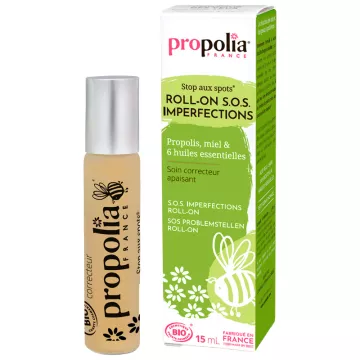
- Targeted spot treatments to apply directly to pimples
- Avoid picking at breakouts: do not squeeze (risk of scarring and hyperpigmentation)
- Clean linens: change pillowcases regularly; use a dedicated towel
- Wash hands before touching your face
- For moderate to severeacne: consult a dermatologist for appropriate treatments (azelaic acid, retinoid derivatives, benzoyl peroxide, antibiotics, isotretinoin—as indicated)
Prolonged self-treatment of persistent lesions can delay effective management. Don’t hesitate to consult a dermatologist.
When should you see a dermatologist?
Several situations warrant a specialist consultation:
- Moderate to severe acne, or acne that remains unresponsive to cosmetic treatments after 2–3 months
- Rosacea and persistent redness
- Eczema, psoriasis, atopic dermatitis
- Melanoma or a mole that is changing (size, shape, color, itching, bleeding)
- New or changingpigmented spots
- Vitiligo or pigmentation disorders
- Suspected melasma
- Acne scars —to discuss cosmetic treatment options
- Early signs of aging for targeted advice
- Recurrent allergic reactions to cosmetics
- Fungal infections or infectious skin conditions
- Significant hair loss or hair-related issues
- Annual follow-up recommended for at-risk skin types (families with a history of melanoma, very fair skin)
The dermatologist offers personalized treatments (topical, oral, and cosmetic) that cosmetics alone cannot replace. Your pharmacist also remains a valuable resource in your daily life, guiding your skincare choices and advising you on the best course of action. Healthy skin is the result of an ongoing dialogue between you, your skincare routine, and your healthcare professionals.