What products should you add to your bath for therapeutic benefits?
A bath isn’t just ahygiene routine—it’s also a pampering experience in its own right if you choose the right additives. Hot water dilates superficial blood vessels and promotes the absorption of active ingredients, which amplifies the effect of whatever you add to the bath.
- Magnesium bath salts (Epsom salt): Transdermal magnesium relieves muscle tension and promotes relaxation —2 to 4 tablespoons in a warm bath for 20 minutes
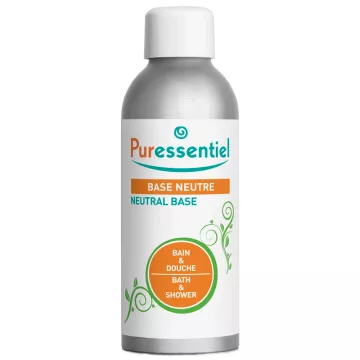
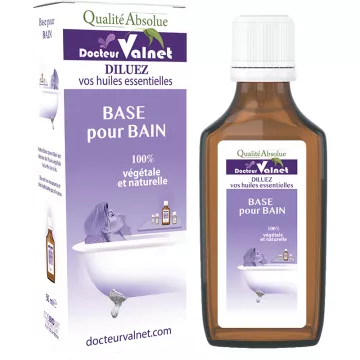
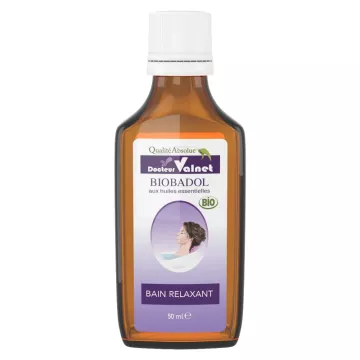
- Essential oils: Never pour directly into the water (they are immiscible)—always dilute in a dispersing base (bath milk, vegetable oil, salt) before adding to the bath—5 to 10 drops maximum
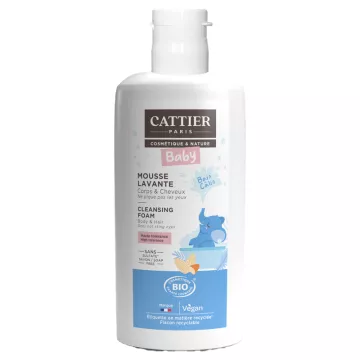
- Colloidal oats: a go-to ingredient for sensitive, eczema-prone, and itchy skin — 3 to 4 tablespoons in a nylon stocking or small bag — the water becomes slightly milky
- Baking soda: slightly alkalizes the water, softens the skin — useful for mild irritations and cuticles — 3 to 4 tablespoons
Which essential oils should you use in the bath depending on your goal?
Aromatherapy baths are one of the most accessible ways to use essential oils —simultaneous absorption through the skin and the sense of smell for an amplified effect.
- Relaxation and preparation for sleep: true lavender (5 drops) + marjoram (3 drops) in a spoonful of sweet almond oil—the most well-documented evening bath
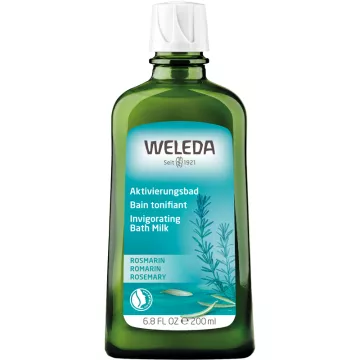
- Energy and wakefulness: rosemary (cineole) (4 drops) + peppermint (2 drops)—morning bath only—stimulating, not recommended in the evening
- Post-workout muscles: wintergreen (3 drops) + lavender (4 drops) in Epsom salt — a classic combination for relieving muscle tension in athletes
- Dry and sensitive skin: sweet almond oil (1 tablespoon) alone or with Roman chamomile (3 drops) — a nourishing bath without intense aromatherapy
What temperature and duration are best for an optimal bath?
The bath’s temperature directly determines its effect on the skin and the body—a detail often overlooked inpersonal hygiene advice.
- 37–39 °C: optimal temperature—muscle relaxation and gentle vasodilation without thermal stress—bath lasting no more than 20 minutes
- Above 40 °C: not recommended—damages the hydrolipidic film, worsens skin dryness, contraindicated during pregnancy
- Duration: 20 minutes is optimal—any longer, and the maceration effect begins to dry out the skin rather than moisturize it
- After the bath: Pat dry without rubbing; immediately apply body cream to skin that is still slightly damp to maximizehydration
Bathing and Sensitive, Eczematous, or Atopic Skin: What Precautions Should Be Taken?
For compromised skin, bathing can be beneficial or worsen symptoms depending on how it’s done. A properly managed bath with the right additives is part of themoisturizing regimen recommended by dermatologists for atopic skin.
- Strictly lukewarm water (36–37 °C)—never hot—as heat exacerbates itching and increases dryness
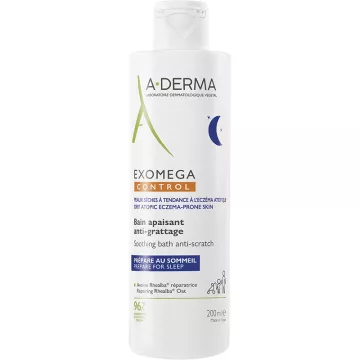
- Colloidal oatmeal or fragrance-free emollient bath oil—specific “atopic skin” formulations available at drugstores
- Limit bath time to 10–15 minutes—baths that are too long can cause the skin to become waterlogged and worsen dryness
- No essential oils or fragrances for highly reactive skin—essential oils can trigger flare-ups even when well-diluted in people with atopic skin
- Preferably in the evening — followed immediately by applying a body emollient to damp skin — the most effective time for hydration
Can you take a bath during pregnancy?
Bathing is permitted during pregnancy provided strict guidelines are followed—essential oils added to the bath pose the main risk that must be avoided.
- Temperature: 37°C maximum—excessive heat raises the mother’s body temperature and may affect the fetus
- Essential oils in the bath: Not recommended throughout pregnancy —the skin absorbs them particularly well during a bath, and essential oils enter the bloodstream—even those considered mild
- Bath salts without essential oils, colloidal oatmeal, and powdered milk: well-tolerated alternatives during pregnancy
- If in doubt or in the case of a high-risk pregnancy: consult your doctor or midwife before adding any bath additives