What is an antifungal, and which fungi does it target?
An antifungal is a substance—whether medicinal or natural—capable of inhibiting the growth of or destroying pathogenic fungi (dermatophytes, yeasts, molds) responsible for skin, nail, mucosal, or systemic infections. Fungal infections affect one in four people worldwide, with a higher prevalence among immunocompromised individuals, people with diabetes, those taking antibiotics, and athletes. Explore our fungal infection product lines, our antifungal products, and our antifungal creams.
- Dermatophytes (Trichophyton, Microsporum, Epidermophyton): cause skin fungal infections (athlete’s foot—tinea pedis, jock itch—tinea cruris, scalp ringworm—tinea capitis, nails—onychomycosis)—feed on keratin—common contaminants in damp environments (swimming pools, locker rooms)
- Yeasts (Candida albicans, Candida glabrata, Malassezia): Candida—vaginal yeast infection, oral thrush, cutaneous candidiasis in skin folds, systemic candidiasis in immunocompromised individuals — Malassezia — pityriasis versicolor (skin discoloration) + seborrheic dermatitis of the scalp
- Molds (Aspergillus, Fusarium): Aspergillus—severe pulmonary infections in immunocompromised individuals (invasive aspergillosis)—Fusarium—resistant onychomycoses—rare but severe systemic infections
- Contributing factors: immunosuppression (HIV, chemotherapy, corticosteroids, biologic therapies) — diabetes (hyperglycemia promotes Candida overgrowth) — prolonged antibiotic therapy (destroys protective bacterial flora → Candida overgrowth) — pregnancy (hormonal changes + immunotolerance) — maceration and moisture (skin folds, closed-toe shoes) — see our page on fungal infections
- Antifungal resistance: a growing problem — Candida auris (resistant to the three main classes) — emerging resistance in C. glabrata and Aspergillus — justifies the appropriate use of antifungals and the value of natural alternatives as first-line treatment for mild cases
Classes of Antifungal Drugs and Their Indications
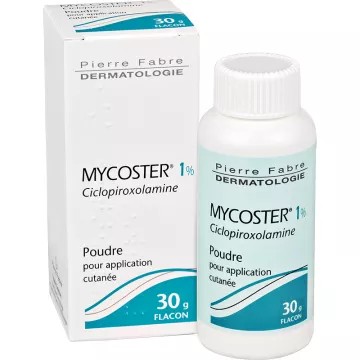
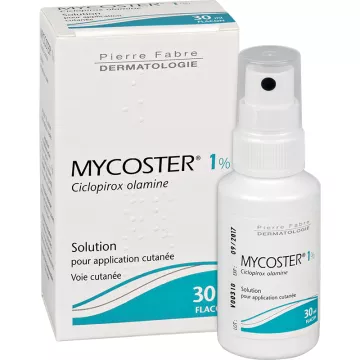
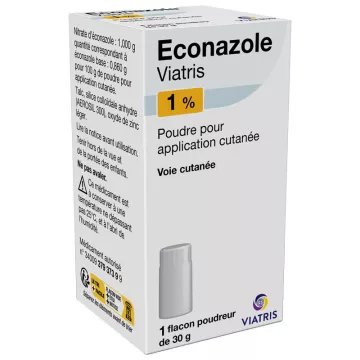
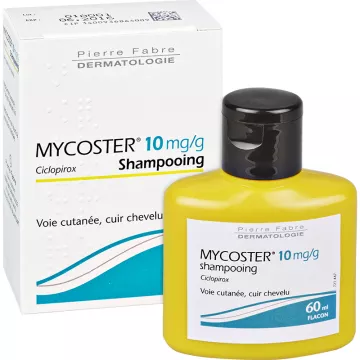
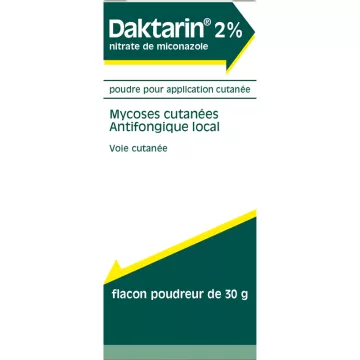
- Azoles (imidazoles and triazoles): mechanism—inhibition of ergosterol synthesis (an essential component of the fungal membrane) via CYP51—topical (clotrimazole, miconazole, econazole, ketoconazole) for mild to moderate cutaneous fungal infections — systemic (fluconazole — candidiasis, tinea; itraconazole — onychomycosis, Aspergillus; voriconazole—invasive aspergillosis)—prescription-only for systemic forms
- Polyene antifungals (amphotericin B, nystatin): mechanism — direct binding to ergosterol → formation of pores in the fungal membrane → cell lysis — nystatin: oral thrush + gastrointestinal candidiasis (oral route) — IV amphotericin B: severe systemic fungal infections (aspergillosis, invasive candidiasis) — potent fungicidal effect but renal toxicity (IV amphotericin B)
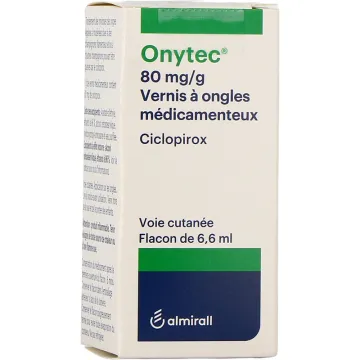
- Allylamines (terbinafine): inhibition of squalene epoxidase → accumulation of squalene, which is toxic to the fungus — fungicidal against dermatophytes — standard treatment for dermatophyte onychomycosis and athlete’s foot — oral (250 mg/day × 6 weeks for feet, × 12 weeks for nails) or topical — see our products for athlete’s foot and onychomycosis
- Echinocandins (caspofongin, micafungin): inhibition of beta-1,3-glucan synthase → destruction of the fungal cell wall — active against Candida and Aspergillus — reserved for severe systemic infections — IV administration only — well tolerated even in frail patients
- Over-the-counter topical antifungals: certain topical imidazoles (econazole, miconazole, clotrimazole) are available without a prescription for mild skin fungal infections and recent, uncomplicated vaginal yeast infections — treatment duration must be strictly followed (even if symptoms disappear sooner) — consult a doctor if there is diagnostic uncertainty, recurrence, or no improvement within 2 weeks
Documented natural antifungals
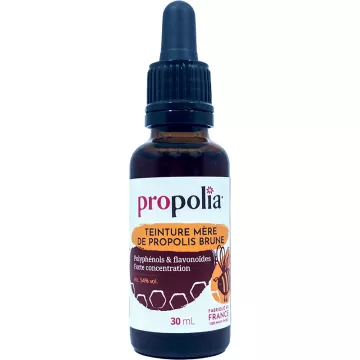
- Propolis: documented antifungal activity against Candida albicans, C. tropicalis, Aspergillus, and Trichophyton — flavonoids and phenolic acids inhibit the fungal membrane and cell wall — as an oral solution for thrush — in topical preparations for mild skin fungal infections — active against certain azole-resistant strains in in vitro studies
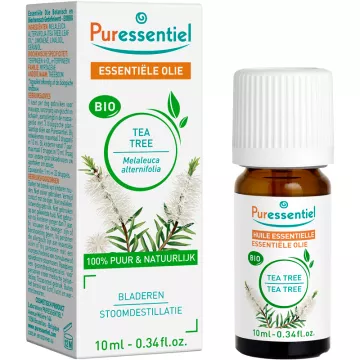
- Tea tree essential oil (Melaleuca alternifolia): terpinene-4-ol — effective against Candida albicans, Trichophyton, and Malassezia (pityriasis versicolor) — positive studies on athlete’s foot and mild onychomycosis — always dilute (2–5% in a vegetable oil) before topical application — never ingest — avoid use in children under 6 years of age and pregnant women
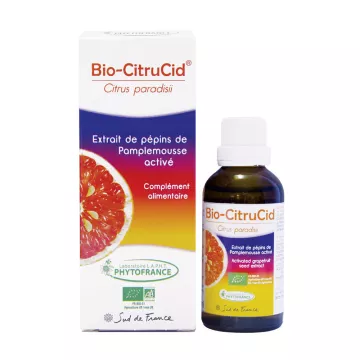
- Grapefruit seed extract (GSE): flavonoids + citric acid — antifungal properties against Candida and dermatophytes in vitro — in diluted oral solution for intestinal candidiasis (traditional use) — for topical application — quality varies widely by brand (check for the absence of added preservatives such as triclosan)
- Virgin coconut oil (lauric acid → monolaurin): effective against Candida albicans in several studies — topical application in skin folds and on oral mucosa (thrush) — well tolerated — should be used as a supplement to antifungal medication rather than as a replacement
- Zinc: a zinc deficiency is a risk factor for recurrent candidiasis — zinc pyrithione inhibits Malassezia (seborrheic dermatitis, pityriasis versicolor) — shampoos and creams containing zinc pyrithione for scalp conditions — oral supplementation of 10–15 mg/day to strengthen the body’s antifungal immune defenses — visit our immune defenses page
Prevention of fungal infections, proper use, and resources
- Antifungal hygiene: Thoroughly dry the skin between the toes and in skin folds after showering — wear socks made of natural fibers (cotton, wool) and change them daily — wear breathable shoes and alternate pairs daily — wear sandals in damp public places (locker rooms, swimming pools, saunas) — avoid synthetic underwear (moisture buildup → Candida)
- After antibiotic therapy: antibiotics destroy competing bacterial flora → Candida overgrowth (vaginal yeast infection, thrush) — Oral probiotics (Lactobacillus rhamnosus + L. acidophilus) during and after the course of antibiotics — Lactobacillus vaginal suppositories if you have a vaginal yeast infection — Check out our probiotic formulas
- Anti-Candida diet: reduce simple and refined sugars (which feed Candida) — increase prebiotic fiber and fermented foods (kefir, yogurt) — raw garlic (allicin has antifungal properties) — a diet rich in vitamin C and zinc to support antifungal immunity
- Boosting Immunity: A weakened immune system is the main risk factor for recurrent yeast infections — short courses of echinacea — vitamin D3 + zinc — stress management (cortisol → immunosuppression) — see our page on immune defenses
- When to seek medical advice: recurrent fungal infection (> 4 episodes/year) — no improvement after 2 weeks of topical treatment — rapid spread or atypical presentation — fungal infection in infants, pregnant women, or immunocompromised individuals — systemic symptoms (fever, chills, altered general condition) → medical emergency