What is an antiviral medication, and how does it work?
An antiviral is a substance capable of inhibiting viral replication or destroying viruses in the body. Prescription antiviral medications are specifically designed to target certain stages of a virus’s replication cycle. They should not be confused with plants or natural substances with antiviral properties, which support the immune system but do not replace prescribed medical treatment. For any diagnosed or suspected serious viral infection, consult a doctor. Immune-support supplements are available in the “Immunity” and “Immune Defense” sections of the store.
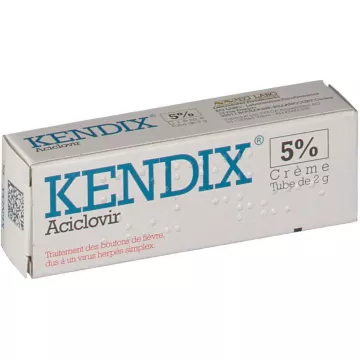
- Mechanisms of action of antiviral medications: inhibition of viral neuraminidase (oseltamivir/Tamiflu—influenza)—inhibition of reverse transcriptase (antiretrovirals — HIV) — inhibition of viral polymerase (acyclovir — herpes/shingles, sofosbuvir — hepatitis C) — blocking viral entry into the host cell
- Diseases treated with antiviral medications: seasonal influenza (oseltamivir) — herpes simplex and shingles (acyclovir, valacyclovir) — HIV/AIDS (antiretrovirals in triple therapy) — hepatitis B and C (interferon, sofosbuvir) — COVID-19 (nirmatrelvir/ritonavir) — human papillomavirus (HPV) in certain forms
- Important: Antiviral medications are available only by prescription — never self-medicate — antiviral treatment must be tailored to the identified virus and monitored by a doctor — viral resistance can develop if the treatment is not followed properly
- Seek medical attention immediately if: persistent high fever — difficulty breathing — skin lesions suggestive of herpes or shingles (ophthalmic emergency if ocular shingles) — symptoms following high-risk exposure (HIV — post-exposure prophylaxis within 48 hours)
Which plants have documented natural antiviral properties?
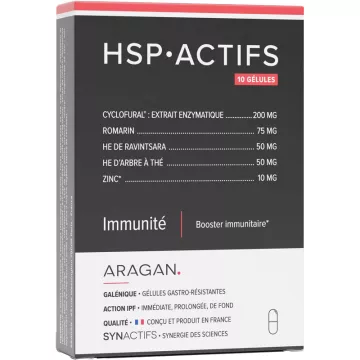
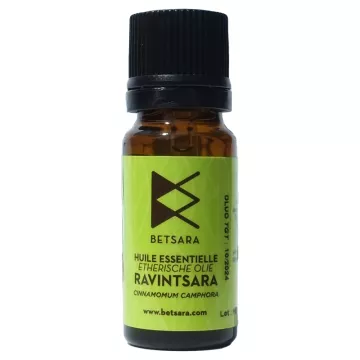
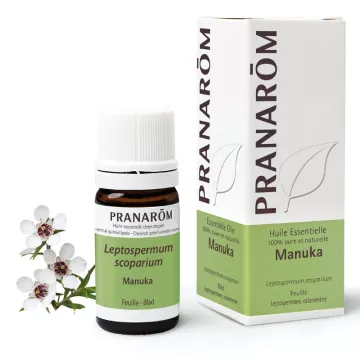
- Ravintsara (Cinnamomum camphora — essential oil): 1,8-cineole (eucalyptol) — antiviral and immunomodulatory properties — traditionally used to support the body during winter respiratory infections — via diffusion or massage (diluted in a vegetable oil) — not recommended for children under 6 years of age without medical advice or for pregnant women
- Propolis: flavonoids with documented antiviral activity (herpes, influenza, rhinovirus in vitro) — immune support for the ENT system — available as a spray or in capsules — contraindicated for those allergic to bee products
- Echinacea (Echinacea purpurea): alkylamides and polysaccharides — documented immunostimulant — EMA: well-established use for the prevention and management of mild viral respiratory infections — 2 to 4 weeks maximum — Contraindications: autoimmune diseases, immunosuppressants
- Black elderberry (Sambucus nigra): anthocyanins and sambucins — positive clinical data regarding the duration and severity of the flu — available as an extract or syrup — rich in natural vitamin C
- Zinc: cofactor for innate and adaptive immunity — deficiency associated with increased susceptibility to viral infections — 10 to 15 mg/day as a course of treatment — do not exceed 25 mg/day for long-term use
How can natural antivirals be used preventively and safely?
- Preventive use in winter: echinacea course (2 to 4 weeks before winter) — propolis ENT spray — zinc + vitamin C — ravintsara diffused into the air — onset of mild viral symptoms: increase the doses of the chosen supplements and monitor progress
- Never substitute for prescribed medical treatment: herpes → prescribed acyclovir — HIV → antiretrovirals — hepatitis → see a specialist — severe flu → prescription oseltamivir
- General precautions: pregnancy and breastfeeding → seek medical advice first — children under 6 years old → seek medical advice — interactions with immunosuppressants (echinacea) and anticoagulants (propolis, ravintsara essential oil) — if symptoms worsen or persist for more than 5 to 7 days despite natural remedies → see a doctor