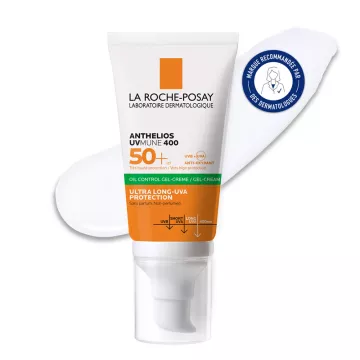
Excessive facial shine is a common cosmetic concern, particularly for those with oily and combination skin. So-called “anti-shine” skincare products comprise a range of cosmetic formulas designed to reduce this shiny appearance, ideally while preserving the skin’s hydrolipidic film.
What Is Anti-Shine?
The term “anti-shine” refers to a range of cosmetic products designed to reduce the appearance of visibly shiny skin, primarily caused by excess sebum on the skin’s surface. These products absorb some of the sebum, limit light reflection, and provide a more even, matte finish. They come in various formulations: mattifying creams, serums, translucent powders, mattifying wipes, and makeup primers. The choice depends on skin type, skincare routine, and intended use (daily use, touch-ups throughout the day, or as a makeup primer).
How do anti-shine products work?
Anti-shine products rely on several mechanisms:
- Physical absorption of sebum by mineral or plant-based powders (silica, starch, rice powder). Talc, long used in adult cosmetics, is now subject to stricter regulations, and many formulas are shifting toward silica and starches.
- A “soft focus” effect achieved through light diffusion, which visually minimizes the appearance of pores.
- Regulation of sebum secretion via certain active ingredients such assalicylic acid (BHA), niacinamide, or zinc in appropriate forms.
These mechanisms are primarily cosmetic and superficial; they do not address the hormonal or physiological causes of hyperseborrhea.
Who are anti-shine products intended for?
Anti-shine skincare products are particularly suitable for the following skin types:
- Oily skin, with visible sebum production and a more pronounced skin texture.
- Combination skin, where the T-zone (forehead, nose, chin) is more prone to shine.
- People living in hot and humid climates, or exposed to conditions that increase sweating and shine.
- People in certain professions (exposed to bright lights, computer screens, or prolonged mask-wearing), where a matte finish is desired.
For dry or highly reactive skin, “moisturizing” anti-shine formulas are preferable to highly absorbent ones.
What are the best anti-shine products on the market?
The market offers several anti-shine formulations, each with its own benefits:
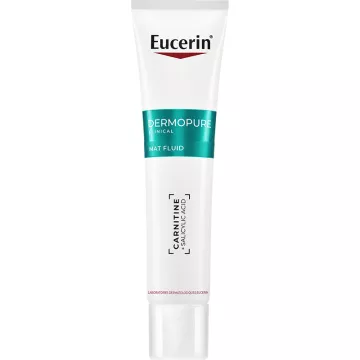
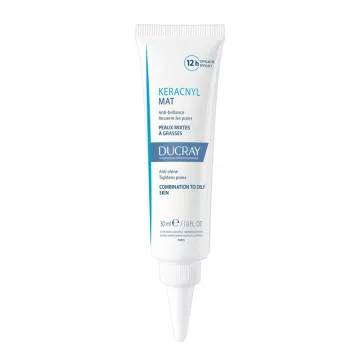
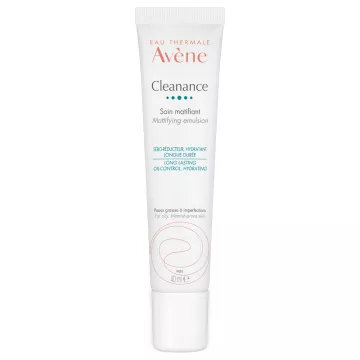
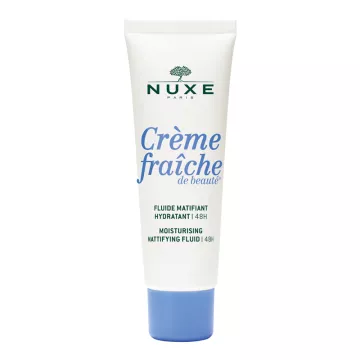
- Mattifying moisturizers: a daily base for combination to oily skin.
- Mattifying serums: targeted action on the T-zone, to be applied after cleansing.
- Translucent powders: for discreet touch-ups throughout the day and to set makeup.
- Mattifying wipes: remove visible surface oil without removing makeup.
- Mattifying makeup primers: prepare the skin for longer-lasting foundation wear.
Choose non-comedogenic formulas with a clear INCI list that are tailored to your skin type rather than relying solely on marketing claims.
How to incorporate an anti-shine product into your routine?
For best results:
- Remove makeup and gently cleanse with a suitable product.
- Apply a targeted serum (matifying or sebum-regulating) if necessary.
- Apply a non-comedogenic, anti-shine moisturizer.
- Apply SPF 30 or 50 sunscreen as the final step in your morning routine (an essential step, especially when using photosensitizing ingredients like BHAs).
- Use a mattifying primer before applying makeup if needed.
- Use mattifying wipes or translucent powder for touch-ups throughout the day.
Can you use an anti-shine product every day?
Most anti-shine products are designed for daily use. To avoid overloading the skin or a rebound effect, it’s best to:
- Avoid piling on drying products (anti-shine + overly harsh cleanser + alcohol-based toner), which can weaken the skin barrier and, paradoxically, stimulate reactive sebum production.
- Maintain adequate hydration, which is essential even for oily skin.
- Space out or reduce the frequency of use if you experience tightness, redness, or unusual dryness.
What are the possible side effects of a shine-control product?
Like any cosmetic product,anti-shine products may cause:
- Skin dryness, tightness.
- Redness or tingling, more common in sensitive skin.
- Allergic contact reaction (rare).
- Photosensitivity with BHAs: always use sunscreen.
It is advisable to perform a patch test on the inner elbow 24 to 48 hours before regular use, especially for reactive skin. In the event of a severe allergic reaction (facial swelling, difficulty breathing suggestive of angioedema), call 15 or 112.
Is a shine-control product suitable for all skin types?
Anti-shine products are primarily designed for oily and combination skin. Formulations are available for a wider range of skin types:
- For dry skin: opt for moisturizing mattifying products that control shine without compromising the skin barrier.
- For sensitive skin: choose gentle formulas that are free of heavy fragrances and dermatologically tested, ideally without high concentrations of alcohol.
- For atopic skin or skin experiencing an eczema flare-up: conventional anti-shine products are not suitable; opt for prescribed emollient skincare products and consult a dermatologist.
How can you recognize a high-quality anti-shine product?
Several indicators point to a high-quality formulation:
- A long-lasting mattifying effect without tightness, dryness, or visible pore blockage.
- A clear INCI list featuring recognized active ingredients (salicylic acid, niacinamide, zinc, green tea extract, silica, plant-based starches).
- Labeled “non-comedogenic” and backed by laboratory-conducted efficacy tests.
- Compatibility with other skincare products in your routine and with makeup.
- Verifiable individual tolerance upon use (perform a patch test on the inner elbow beforehand).
Combining a shine-control product with other skincare products: how to do it?
The anti-shine product fits into a complete skincare routine by following the order of application (from the lightest to the richest):
- Gentle cleansing.
- Toner or floral water (optional; avoid high concentrations of alcohol).
- Targeted serum (sebum-regulating, mattifying, niacinamide).
- Anti-shine moisturizer.
- Sunscreen in the morning (essential).
- Makeup, if desired.
If your routine already includes irritating or exfoliating active ingredients (cosmetic retinol, AHAs, BHAs at higher concentrations), space out applications to prevent weakening of the skin barrier. Cosmetic retinol is also distinct from medical retinoids (prescription-only, contraindicated during pregnancy).
Anti-shine products and makeup: how do they affect application?
A well-executed anti-shine routine creates a smooth, matte base that makes applying makeup easier and improves its staying power. Excess sebum can actually cause foundation to break down throughout the day. Applying a mattifying primer right before makeup extends the effect; touching up midday with a mattifying wipe or translucent powder helps maintain a fresh finish without adding extra layers.
How can you keep your skin matte all day long?
To maintain a matte finish throughout the day:
- A well-executed morning routine (cleanser, serum, mattifying moisturizer, SPF, mattifying primer).
- Use mattifying wipes for discreet touch-ups.
- Lightly dust translucent powder over shiny areas.
- A varied and balanced diet, and regular hydration (1.5 to 2 liters of water per day, according to general recommendations).
- Stress management, as stress can affect sebum production.
- In cases of persistent or inflammatoryacne, consult a dermatologist for appropriate treatment.