The well-being of domestic, farm, and companion animals rests on four fundamental pillars:
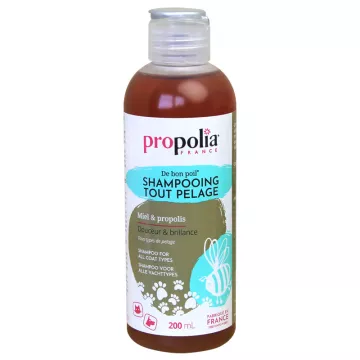
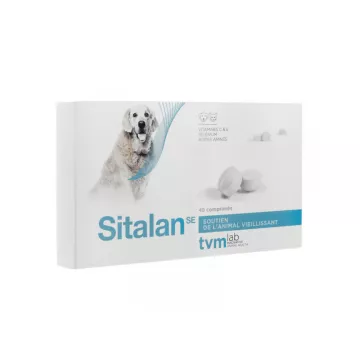
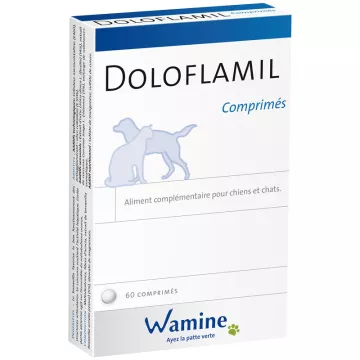
Veterinary homeopathy (30-ml oral solutions for pets or 1-liter solutions for livestock) offers a complementary approach to conventional medicine. Propolis and honey are versatile natural active ingredients—antibacterial, antifungal, and wound-healing—found in shampoos, powders, and sprays designed for all species. Adult animals benefit from regular preventive care to help prevent age-related conditions.
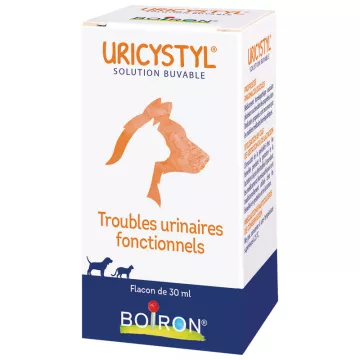
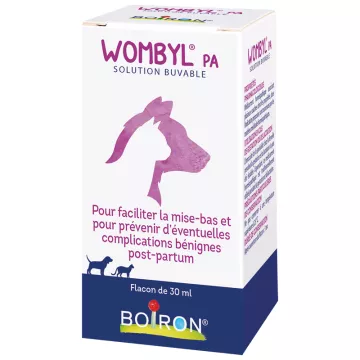
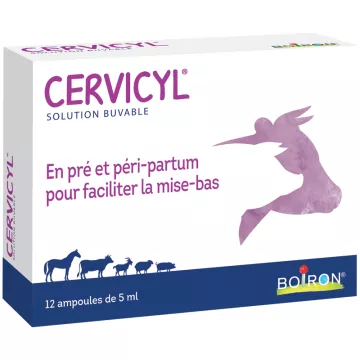
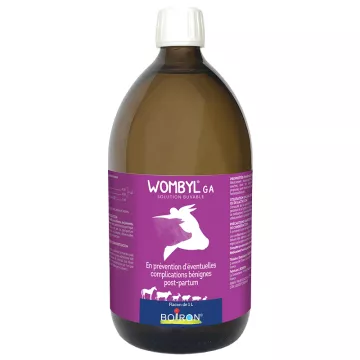
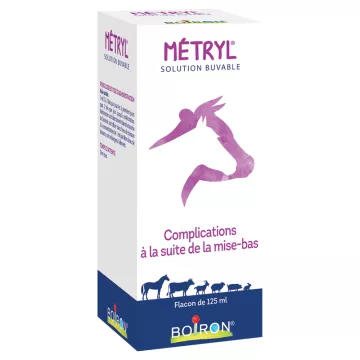
Veterinary homeopathy offers complex formulas for the main clinical conditions in animals. Solutions for urinary disorders (Uva ursi, Berberis, Solidago) support kidney function and reduce discomfort associated with urinary stones or mild cystitis. Formulas for genital and reproductive conditions (oral solutions specifically designed for large animals) are intended for cattle, swine, and horses during critical reproductive periods or the postpartum period. Liver formulas support liver regeneration during mild toxic overload. These treatments should always be used under veterinary supervision.
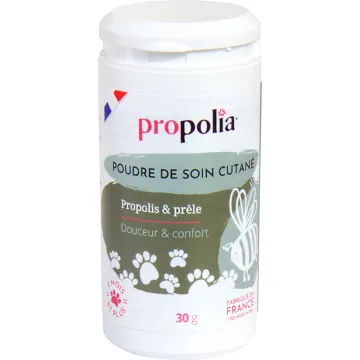
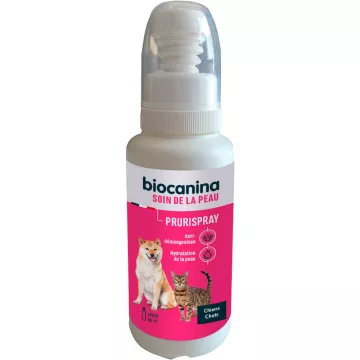
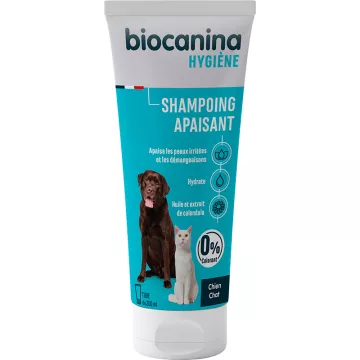
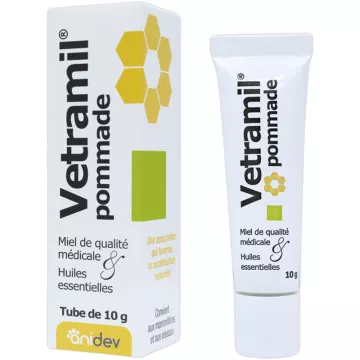
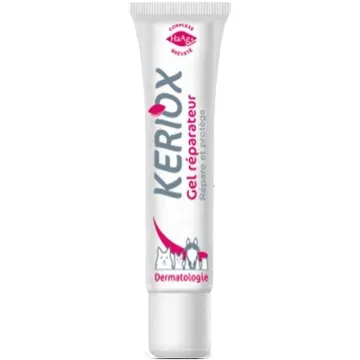
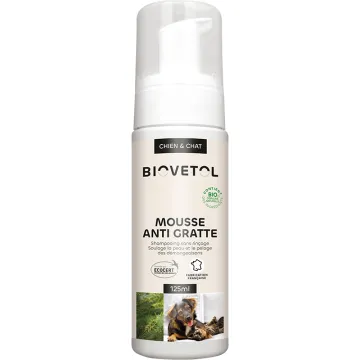
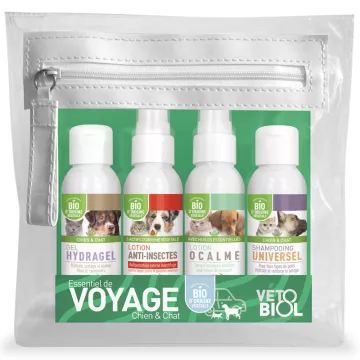
Pruritus is one of the most common reasons for veterinary consultations—across all species. Soothing skin sprays (aloe vera, calendula, bisabolol) relieve superficial irritation without systemic effects. Propolis-based treatment powder provides antibacterial, healing, and drying effects on superficial wounds, weeping dermatitis, and irritated interdigital areas. Honey and propolis shampoos gently cleanse while leaving a protective antimicrobial film. These products can be used on dogs and cats as well as on farm animals. Older animals often suffer from chronic skin conditions (dryness, hyperkeratosis, recurrent infections) that benefit from regular topical care.
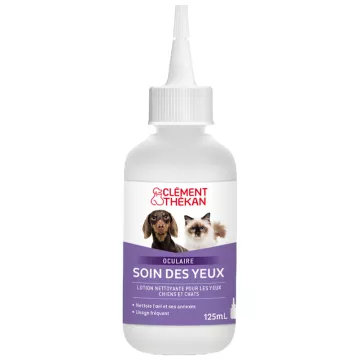
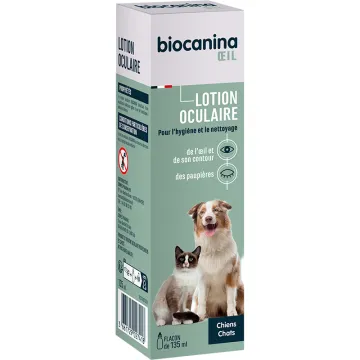
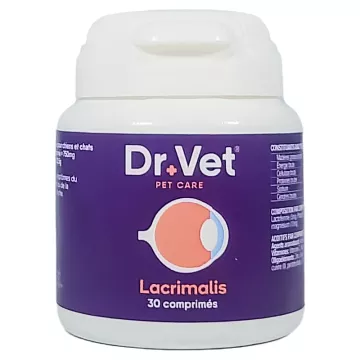
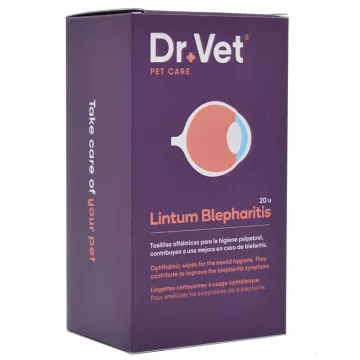
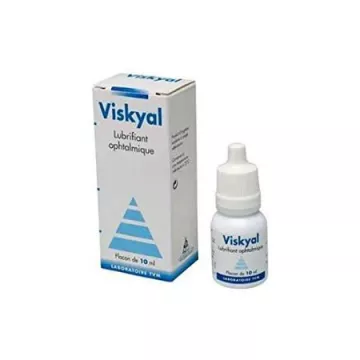
Eye conditions are common in all pets. Eye secretions should be cleaned with specific sterile ophthalmic lotions (saline solution, diluted boric acid, cornflower extracts)—never with tap water or soap. Brachycephalic dogs (Bulldog, Pug) and flat-faced cats (Persian, British Shorthair) have chronic discharge due to their anatomically kinked tear ducts—cleaning twice daily is recommended. Bacterial or viral conjunctival infections require a veterinary consultation before any topical treatment is administered. The health of internal organs —particularly the liver—affects eye health: some forms of jaundice first manifest as yellowing of the sclera.
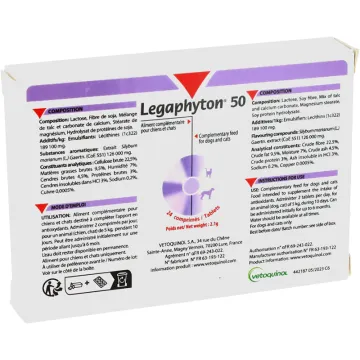
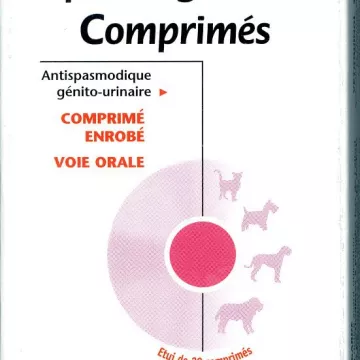
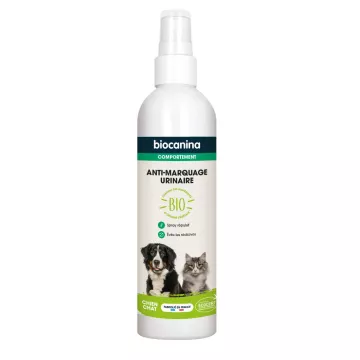
Urinary disorders are among the most common veterinary emergencies in male cats (urethral obstruction) and dogs (cystitis, stones, prostatitis). Warning signs include pollakiuria (frequent urination in small amounts), hematuria (blood in the urine), repeatedly going to the litter box without urinating (obstruction—an absolute emergency in male cats), and abdominal pain. Urinary support supplements (bearberry, cranberry, D-mannose) reduce bacterial adhesion in cases of mild, recurrent cystitis. Difficulty urinating always requires a prompt veterinary consultation to rule out an obstruction or a severe infection.