An older dog (over 7 years old for large breeds, over 9–10 years old for small breeds) has physiological vulnerabilities that require adjustments to their care. The most common health conditions are osteoarthritis (present in more than 80% of dogs over 8 years old), chronic kidney disease (the leading cause of death after cancer), chronic liver disease, and cognitive disorders (canine cognitive dysfunction). Intestinal transit slows with age—digestive motility decreases, leading to chronic constipation, particularly in sedentary dogs or those on long-term medication. Caring for an older dog requires biannual veterinary checkups and a gradual adjustment to their diet.
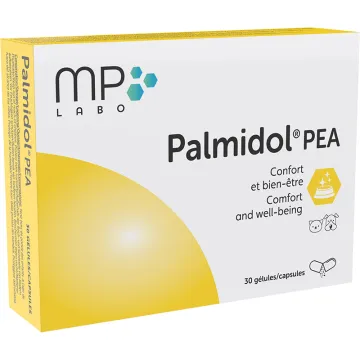
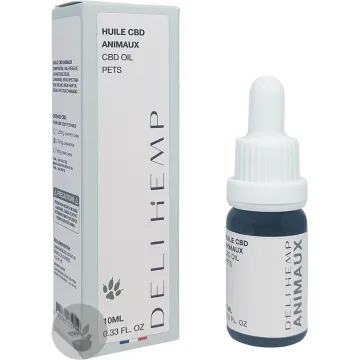
Palmitoylethanolamide (PEA) is a natural endocannabinoid produced by the body in response to pain and inflammation. Unlike CBD (an exogenous molecule extracted from hemp), PEA is an endogenous molecule whose production decreases with age. It acts on PPAR-alpha and GPR55 receptors, reducing neuroinflammation and modulating neuropathic and chronic pain without psychoactive or sedative effects. In veterinary medicine, PEA is used to treat chronic joint pain in older dogs—particularly when NSAIDs can no longer be used due to kidney or liver failure. CBD (cannabidiol oil for animals) is a complementary active ingredient currently under veterinary evaluation for anxiety and cognitive disorders in senior dogs.
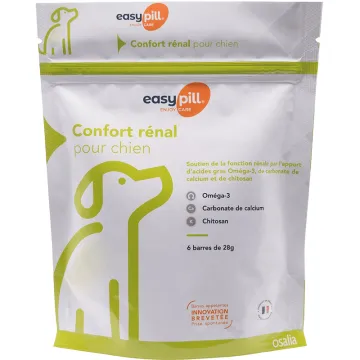
Organ-specific medicated kibble represents a practical innovation for senior dogs that are difficult to medicate. Formulas for kidney health (cranberry, D-mannose, astragalus, omega-3 EPA/DHA) reduce bacterial adhesion to the bladder wall and support renal microcirculation. Liver support formulas (silymarin, milk thistle, SAMe) support hepatocyte regeneration. Phosphorus restriction (which is nephrotoxic in excess in chronic kidney disease) must be combined with an appropriate senior diet. Constipation in older dogs is best treated initially by increasing dietary fiber, improving hydration, and encouraging exercise, before resorting to laxative medications.
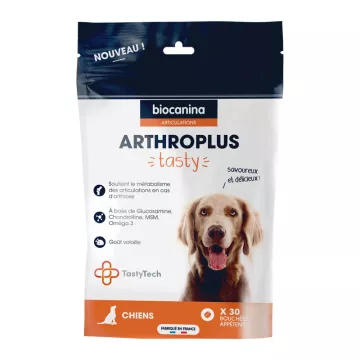
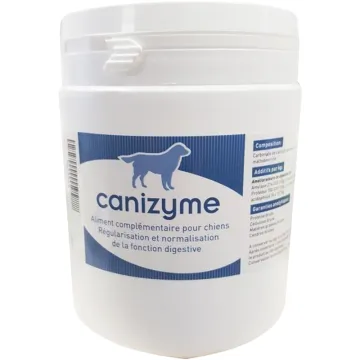
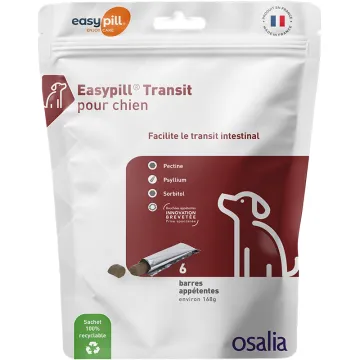
Digestive difficulties are common in senior dogs—digestive enzyme production decreases, intestinal motility slows down, and the bacterial flora changes. Digestive support supplements include plant-based enzymes (bromelain, papain), senior-specific probiotics (canine strains), prebiotics (FOS, inulin), and digestive herbs (gentian, fennel, chamomile). Chronic gastritis associated with long-term NSAID use requires mucosal protection (pectins, aloe vera gel). Digestive treats (psyllium, prebiotics, probiotics) offer a palatable and convenient solution for dogs that are reluctant to take conventional supplements.
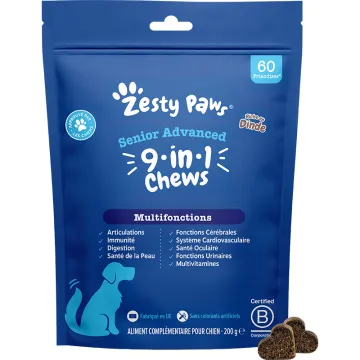
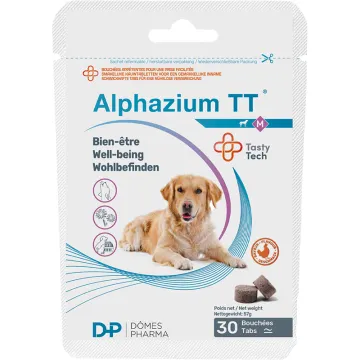
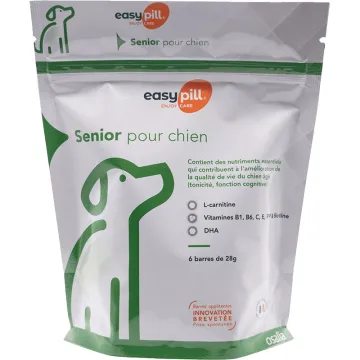
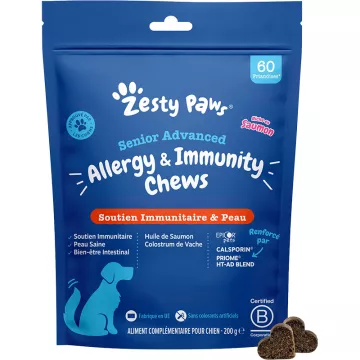
The “9-in-1 Senior” multifunctional treats provide all the nutritional needs of an older dog in a single daily treat:
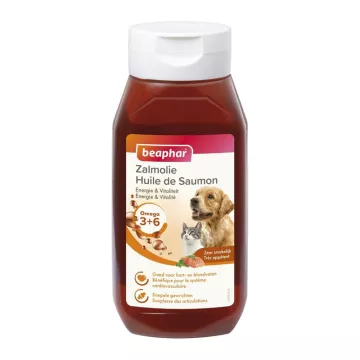
Salmon oil (long-chain EPA and DHA) remains one of the most versatile supplements for senior dogs—it provides systemic anti-inflammatory benefits, protects kidney health, and supports coat health, heart health, and cognitive function. These digestive aids fit naturally into a comprehensive care routine.