Heavy legs, visible and swollen veins, cramps at the end of the day… Varicose veins aren’t just a cosmetic concern; they indicate an imbalance in venous circulation that often causes discomfort in daily life. At Soin-et-Nature, homeopathy offers a gentle, personalized approach to relieving associated symptoms: pain, swelling, and throbbing. Thanks to targeted remedies such as Vipera redi, Aesculus hippocastanum, or Hamamelis virginiana, it’s possible to provide long-lasting relief from these issues while maintaining the balance of the circulatory system.
More detailsA varicose vein is a permanent dilation of a superficial vein that impedes the return of blood to the heart. Varicose veins are dilated veins that appear bluish in color. They most commonly develop on the legs, but can also appear on the thighs. Initial symptoms include a sensation of heavy or painful legs and swelling.
Varicose veins are unsightly deformities of the veins that are most noticeable on the legs. However, other parts of the body can also be affected by varicose veins. About 30% of the population is affected, and activities that require standing for long periods of time increase the risk of developing varicose veins.
The most visible sign of varicose veins is the winding distortion of the veins, followed by their dilation, which occurs in the legs. In the rectum, varicose veins are more commonly known as hemorrhoids. Elastic fibers line the walls of the veins, and at a certain point, due to the sustained stretching of these fibers, the veins can no longer return to their original shape. This is how varicose veins form, and it is primarily the superficial veins that are prone to permanent dilation.
There are two types of varicose veins. The first is known as a “pressure varicose vein.” It gets its name from the fact that the pressure exerted by the blood causes the vein wall to bulge. The second is the “wall varicose vein,” which occurs when the fibers lose their elasticity. It is common for both types to occur in the same person, for example, in pregnant women. The hormones produced by the body coat the vein wall and cause wall varicose veins. In addition, the baby compresses the vessels that carry blood to the lower limbs, leading to pressure varicose veins.
The main symptom is a blue thread-like vein visible on the skin’s surface. This blue discoloration visible through the skin is stagnant blood.
This stagnation of blood is caused by venous dysfunction. It then leads to discomfort in the lower limbs. The most common sensations include heavy legs, very unpleasant tingling, or a feeling of swelling around the veins. At night, cramps may occur, and sometimes there is a feeling of severe fatigue. In addition, itching may occur in certain areas of the leg. Ankle swelling may even develop by the end of the day. It’s worth noting that the painful symptoms of varicose veins tend to appear toward the end of the day. However, pain can also occur in hot weather or simply when you remain still for a fairly long time.
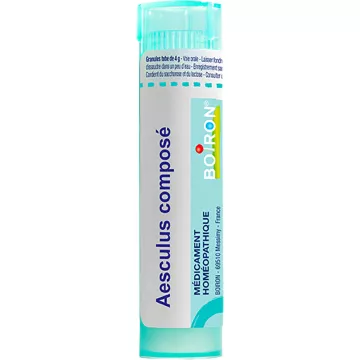
Homeopathy does not cure varicose veins that have already formed, but it can relieve pain and alleviate symptoms. In cases of leg pain and swelling, take 5 granules of Vipera redi 5 CH along with 5 granules ofArnica montana 9 CH twice a day. It is recommended to supplement this treatment by taking 5 granules of Aesculus hippocastanum 5 CH three times a day if the varicose veins are accompanied by a flare-up of hemorrhoids.
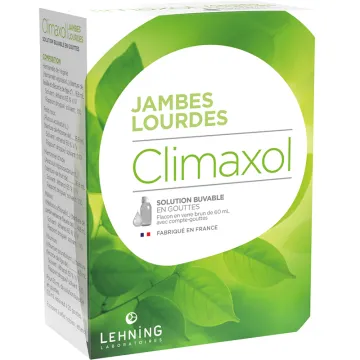
Discover our new line of homeopathic remedies to effectively treat your varicose vein problems with homeopathy.
Homeopathy is a natural treatment method that aims to cure illnesses using highly diluted substances. It was developed in the early 19th century by the German physician Samuel Hahnemann, who observed that certain substances could cause symptoms similar to those of certain diseases when ingested in large quantities. He then decided to dilute these substances to reduce their potency and use them as medicines.
Since then, homeopathy has gained popularity and has become an attractive alternative for treating many health issues, including varicose veins.
Varicose veins are dilated, twisted veins that typically form in the legs and can cause pain, cramps, and a throbbing sensation. They are common among pregnant women, older adults, and people who stand for long periods, but they can also occur in men.
Homeopathy can be used to relieve the symptoms of varicose veins and to improve blood circulation in order to prevent their onset. It can also be used as a complement to traditional medical treatments to enhance their effectiveness and speed up recovery.
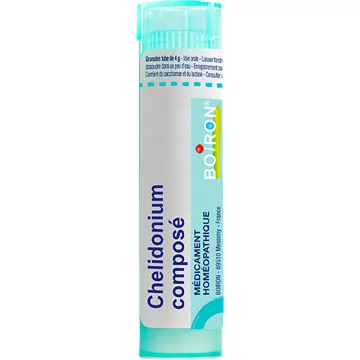
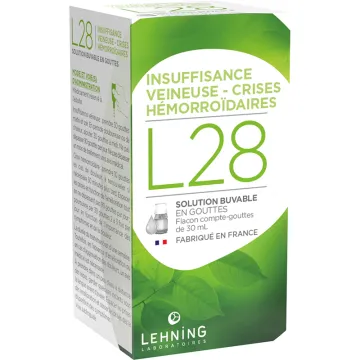
Among the most commonly used homeopathic remedies for treating varicose veins are:
It is important to note that homeopathy should not be used as the sole method of treating varicose veins.