Would you like to cut back on your sugar intake without giving up the pleasure of a cup of coffee, tea, or a lightly sweetened dessert? The sweeteners, sugar substitutes, and sugar alternatives available on Soin-et-Nature let you add a sweet flavor to your hot drinks, yogurt, homemade dishes, or everyday recipes, while controlling your sugar intake depending on the product you choose.
This category includes tabletop sweeteners, tablets, powders, liquids, sugar substitutes, stevia, saccharin, sucralose, and other alternatives to white sugar. Their purpose is not to “help you lose weight,” but to offer a different way to sweeten certain foods or beverages as part of a varied, balanced diet that gradually reduces reliance on sweet tastes.
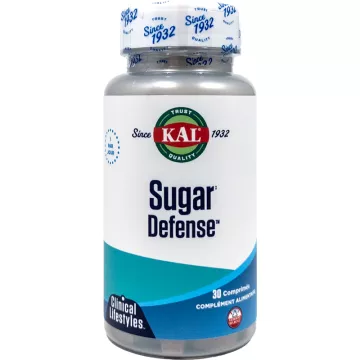
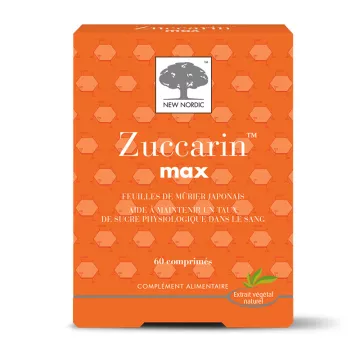
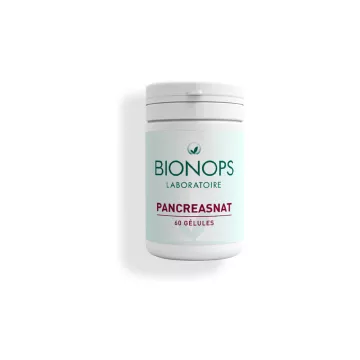
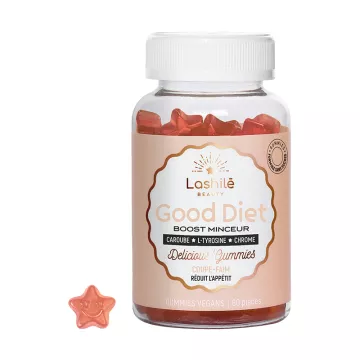
Are you looking instead for a dietary supplement to support carbohydrate metabolism, curb sugar cravings, or maintain normal blood sugar levels, depending on the active ingredients used? Check out our selection of blood sugar supplements, which are better suited for products containing chromium, gymnema, white mulberry, cinnamon, or plant fibers.
More details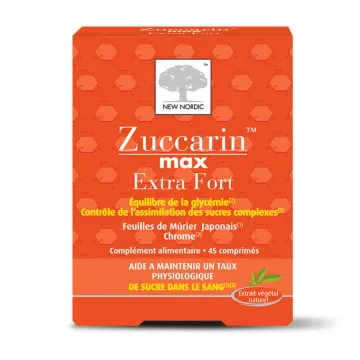
The choice of a sweetener depends mainly on how you plan to use it. To sweeten coffee or tea, sugar substitutes and sweetener tablets are convenient, easy to measure out, and simple to carry. For use in cooking—such as in yogurt, compote, or homemade recipes—powdered or liquid forms may be more suitable.
Sweeteners differ in their sweetness level, taste, texture, heat stability, and composition. Some contain few or no calories depending on the formula, while others belong to the polyol family and may affect digestive comfort when consumed in large quantities.
Before making a choice, take the time to read the label: type of sweetener, recommended dosage, whether polyols are present, the phrase “contains sweetener,” usage instructions, and any specific recommendations. A good sweetener is, above all, one that suits your taste, your intended use, and your dietary goals.
The term “sweetener” refers to a substance used to give a sweet flavor to food or drink. Sugar substitutes are simply a convenient form of sweetener, often available in small tablets for use in coffee, tea, or herbal teas.
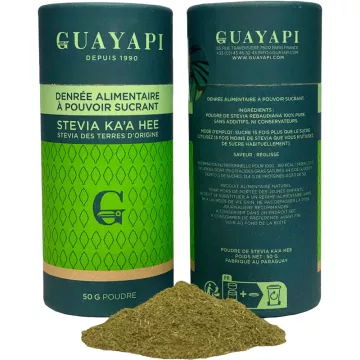
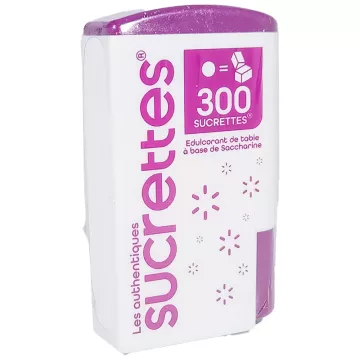
Stevia is derived from steviol glycosides and has a distinctive plant-based taste that can vary depending on the product. Saccharin has a high sweetening power but may leave a metallic or bitter aftertaste in some people. Sucralose is an intense sweetener often used for its taste, which is similar to sugar. Polyols, such as xylitol, sorbitol, maltitol, or erythritol, are typically used in certain candies, gum, or sugar-free products, depending on the formulation.
The benefit of these alternatives is that they allow for a more gradual transition when you want to cut back on refined sugar. However, the best approach is still to gradually reduce the sweetness in your diet to help your palate adjust to less sweet flavors.
Tabletop sweeteners are mainly used to replace some of the sugar in hot beverages, yogurt, simple desserts, or certain homemade dishes. They can be helpful when you want to limit added sugar in your daily diet without abruptly eliminating the sensation of sweetness.
They may also be of interest to people who are monitoring their sugar intake, particularly as part of a dietary rebalancing effort. However, using a sweetener doesn’t automatically make a recipe “healthy”: the overall quality of your diet, portion sizes, fiber, protein, fat, and snacking habits remain just as important.
Cutting out refined sugar doesn’t mean giving up all pleasure. The most effective approach is often to take it slowly: reduce the amounts, choose less processed foods, learn to recognize hidden sugars, and reserve sweeteners for specific uses.
Buying your sweeteners from an online pharmacy makes it easy to compare sizes, brands, ingredients, sweetness levels, and uses. On Soin-et-Nature, you can choose sugar substitutes, table-top sweeteners, sugar alternatives, powders, liquids, or tablets based on your eating habits.
Our tip: Choose your sweetener based on how you’ll actually use it. A tablet is more convenient for coffee, a powder works better for certain recipes, while a liquid solution can be useful for precise measurement. And if your goal is broader—weight management, sugar cravings, or carbohydrate metabolism—combine your efforts with a balanced diet, regular physical activity, and, if needed, professional advice.
For a more comprehensive nutritional approach, you can also explore our weight management section or our selection of dietary supplements.
Sweeteners should be used in moderation. Follow the usage instructions on the packaging and avoid relying on them as a go-to solution every time you have a sweet craving. Some polyols may cause digestive discomfort if consumed in excess, including bloating or a laxative effect, depending on individual sensitivity.
If you have diabetes, are taking medication, are pregnant, are breastfeeding, or are following a specific diet, consult a healthcare professional before making significant changes to your sugar intake or using sugar substitutes regularly.
Sweeteners can offer an alternative way to add sweetness, but they are no substitute for the fundamentals of a balanced diet: regular meals, fiber, protein, adequate hydration, and a gradual reduction in daily sugar intake.
The best sweetener depends on how you plan to use it. For coffee or tea, sugar substitutes in individual packets are convenient. For desserts, a powdered or liquid sweetener may be more suitable. Always check the ingredients, sweetness level, and suitability for baking.
A sweetener is used to add a sweet taste to a beverage or dish. A sugar regulator is more of a dietary supplement designed to support carbohydrate intake or sugar metabolism, depending on its composition.
Sweeteners do not cause weight loss on their own. They can help reduce certain sugar intakes when they replace added sugar, but they must be part of a balanced diet and a gradual reduction in sweet tastes.
Sweeteners may be suitable for some people who are monitoring their sugar intake, depending on the product chosen. If you have diabetes or are on medication, it’s best to consult a healthcare professional.
Stevia has a distinctive plant-based taste; saccharin has a high sweetness level but may leave an aftertaste; while sucralose is often preferred for its taste similar to sugar. The choice depends on your personal taste and intended use.