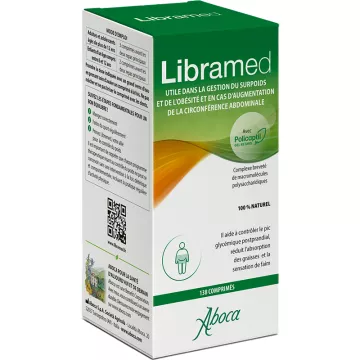
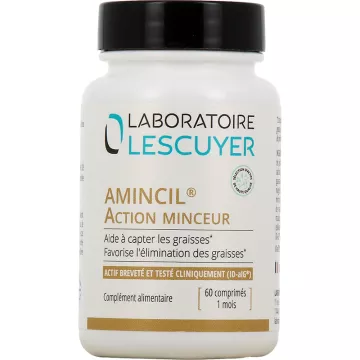
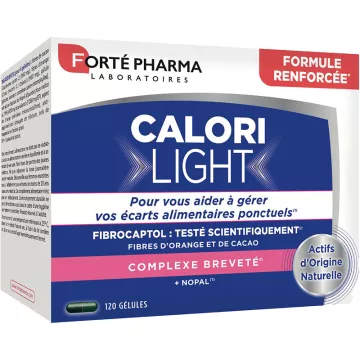
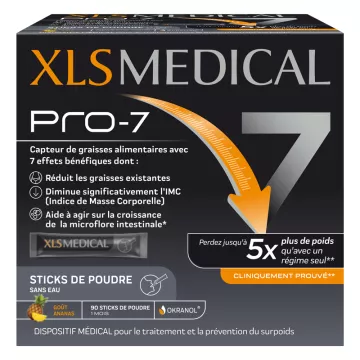
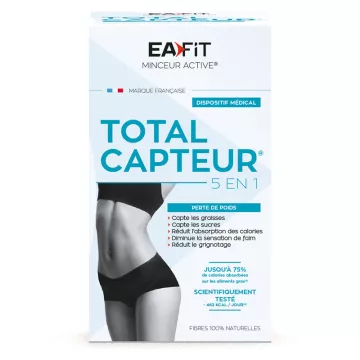
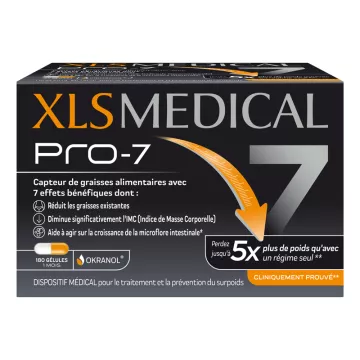
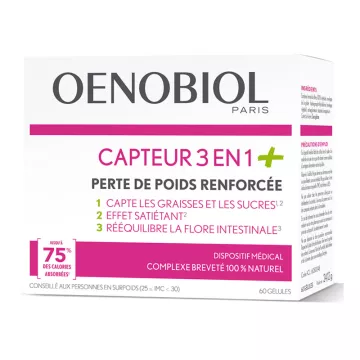
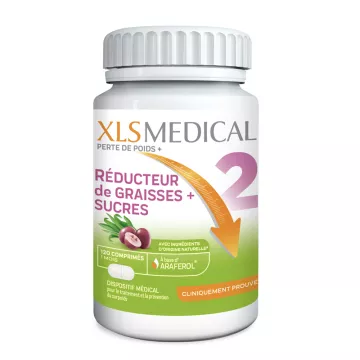
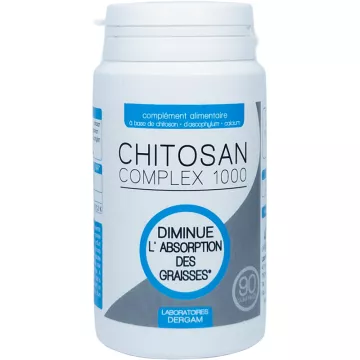
Would you like to better control your dietary intake, particularly during rich meals or occasional deviations? The fat captors available on Soin-et-Nature support your slimming process with dietary supplements formulated with plant fibers, chitosan, nopal, konjac or active ingredients targeting dietary fats and sometimes sugars.
A fat catcher does not replace a balanced diet or regular physical activity. On the other hand, it can be integrated into an overall slimming routine, particularly when you want to better manage heavy meals, occasional excesses or periods of dietary rebalancing. The aim is not to "block all fat", but to support weight control with an appropriate supplement, properly used and chosen according to your profile.
More detailsThe choice of a natural fat catcher depends above all on your needs. Are you looking for a supplement for high-fat meals? A formula combining dietary fiber, chitosan or nopal may be appropriate. Do you want to act on both fats and sugars? Some products combine fiber with active ingredients such as chromium, cinnamon, white mulberry or white bean, depending on the formula.
Fat catchers are generally available in capsule, tablet or stick form, to be taken with meals. They are particularly sought-after by people who want to better manage dietary variations, restaurant meals, festive meals or a diet that is occasionally higher in lipids.
To complete your approach, you can combine your supplement with our slimming universe, which includes various products designed to support weight control, drainage, satiety and silhouette.
Dietary fat captors act primarily in the digestive tract. Depending on their composition, they may bind to part of the lipids present in the meal, or form a fibrous gel on contact with water. This action is linked to the presence of fibers or substances capable of interacting with fats from the diet.
Contrary to popular belief, a fat catcher does not "destroy" fats, nor does it allow unlimited consumption of rich foods. Rather, they are used as a one-off slimming supplement to support a varied diet, good hydration and appropriate physical activity.
The foods most concerned are generally high-fat meals: dishes with sauce, cheeses, cold meats, fried foods, pastries, fatty meats or festive meals. In this context, the fat sensor can help you to better manage these deviations, without replacing good eating habits.
Not all slimming supplements work in the same way. A fat sensor targets mainly the dietary lipids present in the meal. A sugar sensor is more concerned with carbohydrates and variations in sugar intake. An appetite suppressant or satiety supplement relies more on fibers that swell on contact with water to promote a feeling of fullness.
Fat burners, on the other hand, belong to a different world. They often contain active ingredients such as green tea, mate, guarana, caffeine or kola, used in slimming routines geared to metabolism and energy expenditure. Slimming drainers, on the other hand, target water elimination and water retention.
In practice, the right choice depends on your objective: to better manage rich meals, reduce snacking, support a feeling of satiety, support drainage or complement a more global slimming program.
Fat-release formulas are often based on fibers or substances of natural origin. Chitosan, derived from chitin, is one of the best-known ingredients in this field. It is frequently used in supplements designed to help manage lipid intake.
Nopal, also known as prickly pear, is rich in plant fiber. It is appreciated in slimming supplements for its value in routines focused on satiety, digestive comfort and intake control. Konjac, naturally rich in glucomannan, is also highly sought-after in weight management products.
Some formulas also combine chromium, white bean, white mulberry, cinnamon, green tea or guarana. Before making your choice, take the time to check the composition, instructions for use, recommended daily dose and precautions specific to each product.
A fat catcher is generally taken with or just before a meal, depending on the manufacturer's recommendations. It is often advisable to swallow it with a large glass of water, especially when it contains fibers such as konjac, nopal, psyllium or other soluble fibers.
Depending on the product, it should be taken only once or as part of a limited course of treatment. This is not a reflex to be adopted to compensate for an excessively rich daily diet. For best slimming results, it should be combined with a balanced diet, adequate hydration and regular physical activity.
Buying a fat sensor from an online pharmacy lets you easily compare compositions, formats, brands, active ingredients and customer reviews. On Soin-et-Nature, you'll find a selection of slimming food supplements designed to support different needs: managing rich meals, controlling intake, satiety, drainage or an overall slimming routine.
Our approach is simple and responsible: to help you choose the right product for your situation, without over-promising. A fat-burning dietary supplement should always be used in accordance with the instructions for use. It should not replace a varied, balanced diet and a healthy lifestyle.
You can also explore our selection of dietary supplements to support your needs in micronutrition, dietary balance, digestion, vitality or general well-being.
Like any dietary supplement, a fat catcher should be used with caution. Always respect the recommended daily dose and the advice on the packaging. Don't multiply the number of slimming products you use without professional advice, especially if you're already taking a treatment or have a chronic pathology.
Fiber-rich formulas can sometimes cause bloating, digestive discomfort or alter the absorption of certain medications. As a precaution, it is preferable to take a fiber-rich supplement at regular intervals, unless advised otherwise by a healthcare professional.
Pregnant or breast-feeding women, adolescents, people undergoing medical treatment, people suffering from serious digestive disorders or chronic illnesses should seek advice before using a fat catcher, sugar catcher or any other slimming supplement.
The best fat sensor depends on your profile, your meals and your goal. For high-fat meals, choose a formula that targets dietary fat. For nibbling cravings, a fiber-based satiety formula may be more suitable.
A fat sensor does not make you lose weight on its own. However, when combined with a balanced diet, regular physical activity and a healthy lifestyle, they can help you to control your weight.
Depending on the product, a fat sensor is generally taken with or just before a meal, with a large glass of water. It is important to follow the recommendations specific to each dietary supplement.
A fat sensor acts primarily at the digestive level, in relation to the dietary fats in the meal. Fat burners, on the other hand, contain active ingredients such as green tea, mate, guarana or caffeine, which are used in metabolism-oriented slimming routines.
Some fiber-rich supplements can alter the digestive absorption of medications. In the event of medical treatment, seek advice from a health professional and space out doses if necessary.