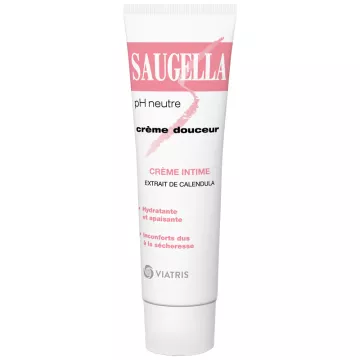
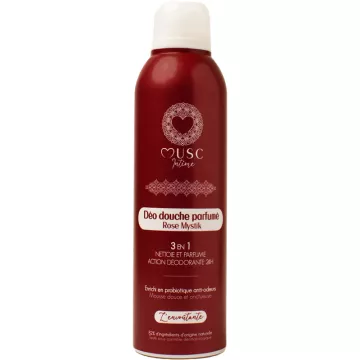
A woman’s intimate health refers to both the genital area and the overall physical and emotional well-being surrounding it. Caring for this intimate area with appropriate products, respectful practices, and attention to hormonal balance is an essential part of women’s health. The vaginal flora, mucosal hydration, pH balance, and sleep quality all contribute to this delicate intimate balance.
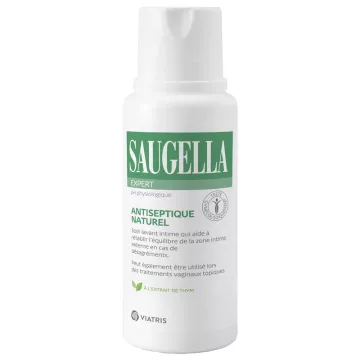
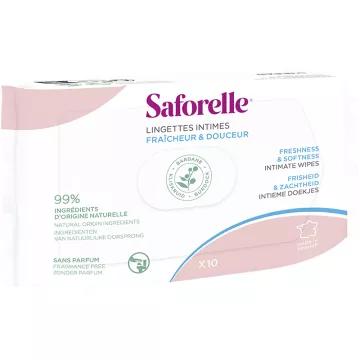
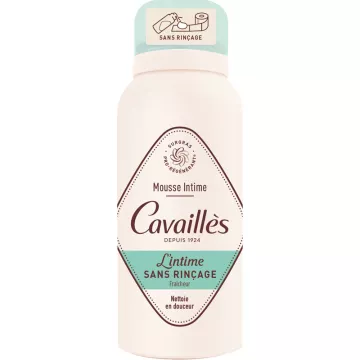
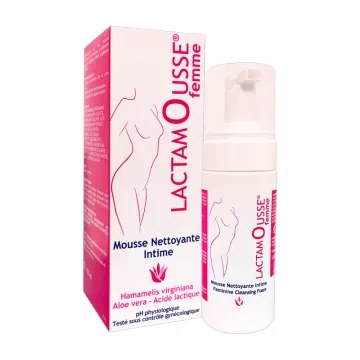
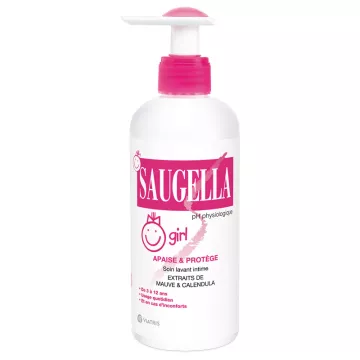
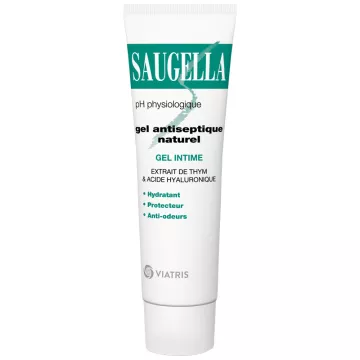
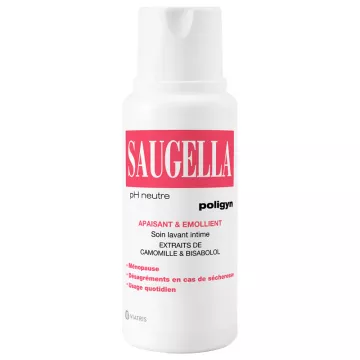
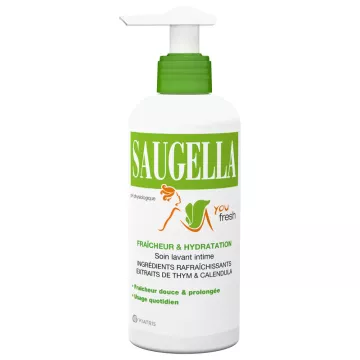
Several daily practices support intimate well-being. Gentle hygiene using a pH-balanced gel—fragrance-free and SLS-free—preserves the protective flora. Wearing cotton underwear allows the skin to breathe and reduces moisture buildup. Avoiding vaginal douches protects lactobacilli. Maintaining adequate hydration supports the vaginal mucosa. These simple steps, repeated every day, form the foundation of lasting intimate comfort.
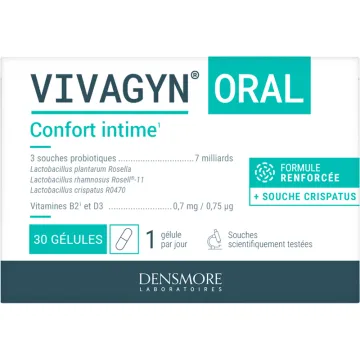
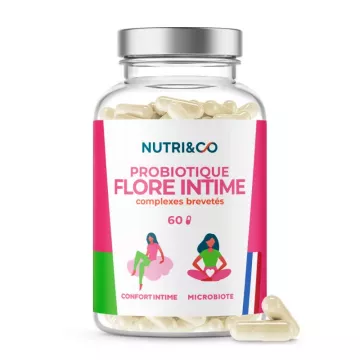
Herbal medicine and dietary supplements are recognized as natural supports for women’s intimate health. Lactobacillus probiotics maintain the protective vaginal flora from the inside, reducing vulnerability to infections. Evening primrose and borage, rich in essential fatty acids, moisturize the mucous membranes and alleviate premenstrual sensitivity. Chasteberry regulates menstrual cycles and premenstrual syndrome. Aloe vera soothes vulvar irritation and supports local hydration. These active ingredients act both preventatively and as part of a maintenance regimen.
Chronic stress disrupts women’s intimate health in several ways. It raises cortisol levels—a hormone that antagonizes progesterone—disrupting menstrual cycles and intensifying period pain. It weakens mucosal immunity, making the genital area more susceptible to infections. It also exacerbates vaginal dryness by disrupting hormonal secretions. Yoga, meditation, and cardiac coherence are natural allies for intimate well-being.
The menstrual cycle subjects female intimate health to regular hormonal fluctuations that alter vaginal pH, the nature of secretions, and the sensitivity of the mucous membrane. During the ovulatory phase, secretions are more abundant and stringy. During the premenstrual phase, irritation and discomfort increase. Tailoring care to each phase—using a gentler cleansing gel during menstruation and taking a course of probiotics after antibiotic treatment—helps maintain balance and intimate comfort throughout the cycle.
Pregnancy profoundly alters feminine health: increased vaginal discharge, changes in pH, heightened susceptibility to infections, and possible vaginal dryness toward the end of pregnancy. Intimate hygiene products must be carefully selected—free of endocrine disruptors, without contraindicated essential oils, and with a suitable pH level. Regular gynecological checkups help prevent and quickly treat any imbalances during this sensitive time.
Menopause marks a profound transformation inwomen’s intimate health. The drop in estrogen leads to atrophy of the vaginal lining, a reduction in natural secretions, and an increase in pH—all of which can promote infections. Vaginal dryness and pain during sexual intercourse become common. Water-based lubricants, vaginal moisturizers containing hyaluronic acid, and local hormone treatments may be prescribed. Natural supplements—evening primrose, phytoestrogens—also support intimate comfort during this transition.
Certain symptoms require immediate medical attention. Persistent itching, recurrent vaginal irritation, unusual discharge, pain during intercourse, or a burning sensation when urinating require a medical evaluation to rule out an infection, a hormonal imbalance, or an underlying condition. A doctor or gynecologist remains the first point of contact for all matters related to women’s intimate health.