What is white clay, and what are its benefits?
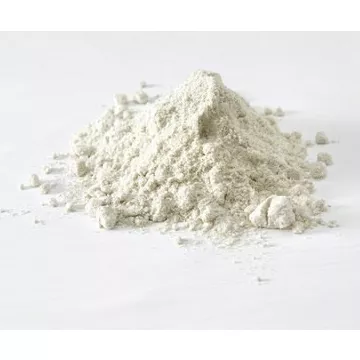
White clay, also known as kaolin, is a natural mineral powder rich in hydrated aluminum silicate. Its light color and very fine texture make it one of the gentlest cosmetic clays, particularly suitable for delicate skin. It is known for its absorbent, purifying, and soothing properties, and is primarily used in cosmetics for the face, hair, and body. Compared to green clay (which is more absorbent and recommended for combination to oily skin), white clay stands out for its superior skin tolerance. The clay line is available in the store.
What are the cosmetic benefits of white clay?
- Gentle skin purification: its absorbent action captures impurities and excess surface sebum without irritating sensitive or reactive skin
- Comfort for fragile skin: soothing properties for skin prone to redness and discomfort—does not replace dermatological care in cases of eczema or established dermatitis
- Support for blemish-prone skin: gently supports skin prone to blemishes by reducing shine and improving skin texture
- Care for sensitive scalps: when used diluted as a hair care treatment, it purifies without irritation—relieves delicate scalps prone to oily dandruff or mild itching
- Re-mineralizing sensory effect: when used in the bath or as a body treatment, it provides a sensation of softness and skin comfort that is appreciated for its relaxing properties
Claims regarding the healing of wounds, burns, or skin lesions are for medical use only: no cosmetic mask is a substitute for professional medical care in the event of an actual injury.
How to use white clay in your daily routine?
Face mask
- Mix 2 tablespoons of white clay with a little mineral water or a gentle hydrosol (rose water, cornflower water) using a non-metallic utensil
- Apply a thin layer to your face, avoiding the eye and lip areas
- Leave on for no more than 10 minutes, without letting it dry completely
- Rinse with lukewarm water and apply a suitable moisturizer
Hair Care for Sensitive Scalps
- Mix 3 tablespoons of white clay with lukewarm water to form a smooth paste
- Apply to a damp scalp and leave on for 5 minutes
- Rinse thoroughly, then follow with a gentle, suitable shampoo
- Repeat once a week for a treatment lasting 4 to 6 weeks maximum
Relaxing Bath
- Dilute one cup of white clay in lukewarm bath water—enjoy a relaxing soak for about 20 minutes
- Rinse with clean water after getting out of the bath and dry your skin thoroughly
- When preparing the mixture, use only utensils made of wood, glass, ceramic, or plastic—metal can alter the clay’s surface properties
Can white clay be consumed?
Internal use of white clay should never be considered self-medication. Kaolin may contain traces of heavy metals (lead, arsenic, cadmium), and repeated ingestion of these can pose a health risk, particularly for pregnant women, children, and people with compromised health. The ANSM has issued restrictions on certain clay-based products due to digestive risks and lead content—use is not recommended for pregnant women, breastfeeding women, and children under 2 years of age.
- Any occasional oral use must be based on a pharmaceutical or food product of controlled quality with available contaminant analysis
- It must be approved by a healthcare professional (doctor or pharmacist)
- Allow an interval of at least 2 to 3 hours between taking clay and any medication or supplement (clay reduces their absorption)
- Contraindicated in cases of chronic constipation, intestinal obstruction, severe digestive disorders, pregnancy, breastfeeding, and in children
- Claims of general “detoxification” via oral administration are not supported by a solid scientific consensus—do not undergo any internal treatment without medical advice
What precautions should be taken with white clay?
- Never use metal utensils to prepare it—opt for wood, glass, ceramic, or plastic
- Do not let the maskdry completely on the skin—this can have an undesirable drying effect
- Avoid inhaling the dry powder —it can irritate the respiratory tract
- Perform a skin test on the inner elbow for 48 hours before your very first application, especially if you have very sensitive skin
- Do not apply to open wounds, burns, or infected skin
- Internal use is not recommended without medical advice, particularly in cases of chronic constipation, pregnancy, breastfeeding, ongoing medical treatment, or in children
- A systemic reaction (facial swelling, difficulty breathing) requires calling 15 or 112
How to choose high-quality white clay?
- Declared purity: 100% pure clay, free of additives, fragrances, preservatives, and dyes
- Traceable origin with indication of the extraction site and available contaminant analyses (particularly for heavy metals)
- Ultra-fine texture for delicate skin applications (face masks, body treatments)—or coarsely ground for poultices
- Protective packaging: airtight pouch, glass jar, or opaque bag to minimize oxidation and moisture
- Cosmetic or food-grade certification indicated according to intended use—if in doubt about quality or usage, consult your pharmacist