0
Menu

Sports Warm-Up: Why Is It Essential Before Exercise?

Filter
Number of products : 9
Sort
Sort
Close
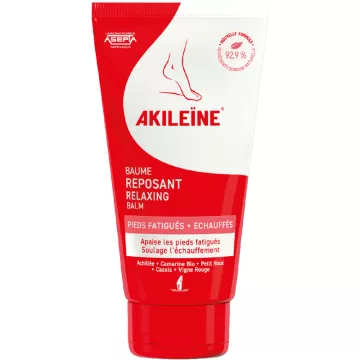
Akileine Rouge Restful Foot Balm 75 ml Akileine Rouge Restful Foot Balm 75 ml
€8.95
Shipped within 24h
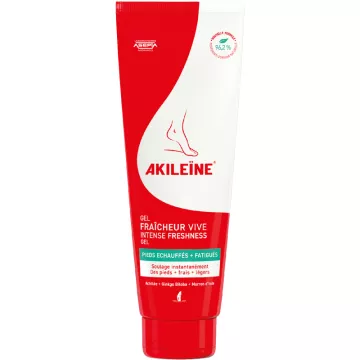
Akileïne Rouge Gel Fraîcheur Vive Pieds Échauffés 125 ml Akileïne Rouge Gel Fraîcheur Vive Pieds Échauffés 125 ml
€9.90
Shipped within 24h
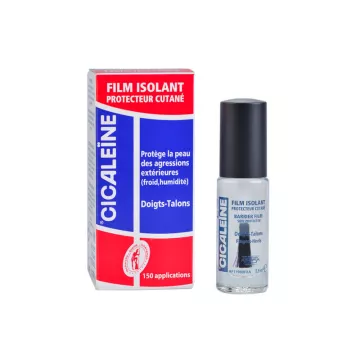
Cicaleine Film Isolant Cutaneous Protector 5.5 ml Cicaleine Film Isolant Cutaneous Protector 5.5 ml
€9.70
Shipped within 24h
Alvadiem Propolis Refreshing Gel 150 ml Alvadiem Propolis Refreshing Gel 150 ml
€10.49
Shipped within 24h
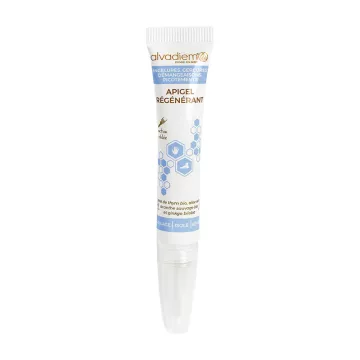
Alvadiem Apigel Regenerating Feet Hand Face 10 ml Alvadiem Apigel Regenerating Feet Hand Face 10 ml
€12.90
Shipped within 24h
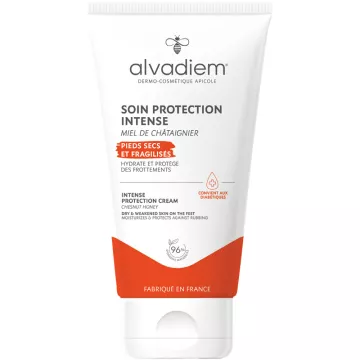
Alvadiem Intense Protection Care with Chestnut Honey 100 ml Alvadiem Intense Protection Care with Chestnut Honey 100 ml
€11.90
Shipped within 24h
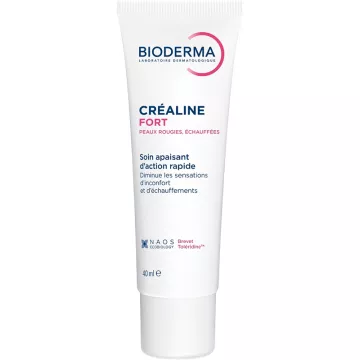
Bioderma Créaline Fort Peaux Rougies Et Échauffées 40 ml Bioderma Créaline Fort Peaux Rougies Et Échauffées 40 ml
€17.49
Shipped within 24h
A-Derma Cutalgan ultra-calming cooling spray 100 ml A-Derma Cutalgan ultra-calming cooling spray 100 ml
€12.49
Shipped within 24h
Identity Heated Relaxation Slippers Identity Heated Relaxation Slippers
M L
€22.30
Add to cart
Shipped within 24h

What is a warm-up, and why is it essential?

A warm-up is a 10- to 30-minute preparatory phase that precedes any physical activity. It gradually raises muscle temperature, improves the flexibility of tendons and ligaments, increases blood flow to the active muscles, and activates the neuromuscular system. These combined effects significantly reduce the risk of injuries (sprains, tears, muscle cramps) and improve immediate performance. A cold muscle can generate less force, contracts more slowly, and is significantly more vulnerable to microtrauma. Neglecting to warm up before intense exercise is like starting a cold car at full throttle.

What is the difference between dynamic and static warm-ups?

These two approaches are used at different stages of the workout:

  • Dynamic warm-up (before exercise): fluid, controlled movements that mimic the activity—joint rotations, leg swings, walking lunges, high knees. It activates neuromuscular coordination without reducing explosive strength.
  • Static stretches (after exercise): holding a position for 20 to 30 seconds. When performed before intense exercise, they can reduce strength and power by 5 to 8 percent—which is why they are reserved for the cool-down phase or dedicated mobility sessions.

This distinction is often overlooked, to the detriment of performance and injury prevention.

How do you structure an effective warm-up?

A complete warm-up follows a logical three-part progression:

  • Cardiovascular phase (5–10 min): light jogging, cycling, jumping rope—to raise heart rate and body temperature.
  • Joint mobilization (5–8 min): rotations of the ankles, knees, hips, shoulders, and neck—in the distal-to-proximal order, or from the feet to the head.
  • Sport-specific exercises (5–10 min): Simulate the upcoming movements at gradually increasing intensity—short passes, sport-specific footwork, and short bursts of speed for team sports.

The total duration should be adjusted according to the planned intensity: 10 minutes are sufficient for a leisurely jog, while 25 to 30 minutes are needed for high-intensity training or a competition. For runners, recommended exercises include high knees, heel-to-butt kicks, side lunges, and hip rotations—movements that specifically prepare the muscles and joints used in running. For team sports, the warm-up should also improve coordination, reaction time, and communication among players.

Should the warm-up vary depending on age and skill level?

Yes: needs vary considerably. For young athletes, the warm-up establishes good motor habits and develops coordination. For older athletes, since connective tissues (tendons, ligaments) are less elastic and cardiac recovery is slower, the warm-up should be longer and more gradual—with special attention to the hips, knees, and shoulders, which are areas of frequent vulnerability. It’s also recommended to adjust the intensity of the warm-up to the ambient temperature: in cold weather, the general warm-up phase should be extended because muscles warm up more slowly. Beginners tend to underestimate the time needed; experienced athletes tend to neglect it out of habit—both are common mistakes that can lead to injuries.

What supplements support muscle preparation and recovery?

An optimal warm-up is part of an overall performance regimen:

  • Magnesium: reduces cramps and supports muscle function, particularly useful in preventing muscle spasms during exercise. Athletes who sweat profusely are often deficient in magnesium.
  • Omega-3: anti-inflammatory properties that reduce post-workout soreness, protect tendons, and speed up recovery after intense workouts.
  • Collagen: supports the integrity of tendons and ligaments—structures that are particularly stressed during warm-ups and exercise—whose production declines with age.

Proper post-workout recovery begins as soon as the session ends, with gentle stretching and adequate hydration, to prevent muscle soreness from interfering with the next workout.