What is vitamin B8, and what does it do in the body?
Vitamin B8 —also known as biotin or vitamin H—is a water-soluble B-complex vitamin that acts as a cofactor for five essential carboxylases: enzymes that synthesize or break down fatty acids, carbohydrates, and certain amino acids. Without biotin, these reactions are blocked. It is particularly well known for its role in the health of hair, skin, and nails, but its importance extends far beyond beauty—it contributes to the proper functioning of the nervous system, energy metabolism, and fetal development. The other B vitamins are described on the B vitamins page.
- Its four main metabolic roles: fat metabolism (synthesis and breakdown of fatty acids—pyruvate carboxylase converts pyruvate into oxaloacetate to fuel the Krebs cycle) — carbohydrate metabolism (gluconeogenesis—production of glucose from non-carbohydrate sources) — amino acid metabolism (breakdown of leucine and isoleucine) — fatty acid synthesis (acetyl-CoA carboxylase—the first step in fatty acid biosynthesis)
- Biotin and keratin: Biotin activates the enzymes that produce keratin—the structural protein of hair, nails, and skin—and in the event of a deficiency, the keratin produced is of poor quality, leading to brittle hair, brittle nails, and dry skin
- Nervous system: Biotin plays a role in the synthesis of myelin (the insulating sheath around neurons) and neurotransmitters—a severe deficiency can cause numbness, depression, and, in severe cases, hallucinations
- Gut microbiota: Some of the biotin used by the body is produced directly by bacteria in the colon—a healthy microbiota contributes to daily biotin intake—broad-spectrum antibiotics can temporarily reduce this production
- RDA and requirements: Adult RDA: 40 µg/day — pregnant women: 45 µg/day — breastfeeding women: 50 µg/day — no established upper limit (no known toxicity; excreted in urine)
Biotin and Hair: What We Really Know
- When biotin helps hair: Biotin strengthens hair mainly in cases of a confirmed deficiency—if you’re deficient in biotin, your hair falls out more, is dull, and brittle—supplementation then quickly restores the situation—however, if your biotin levels are normal, supplements will have no visible effect on hair loss
- Hair loss often has other causes: iron deficiency (low ferritin is the leading cause of hair loss in women)—zinc deficiency (a cofactor for 5-alpha-reductase) — hypothyroidism — chronic stress (telogen effluvium) — vitamin B12 deficiency — a blood test is essential before starting biotin supplements
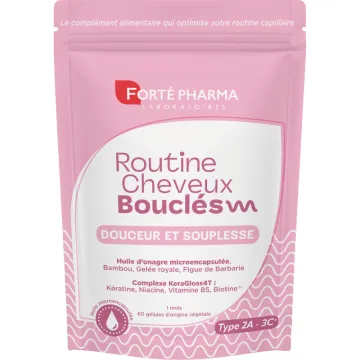
- The combination that works: biotin + zinc + silica — zinc is essential for the synthesis of structural proteins (keratin + collagen) — silica strengthens the mechanical resistance of the hair shaft — this combination forms the basis of the most well-documented hair supplements — hair care products are available in the store
- Be careful with raw egg whites: avidin (a protein found in raw egg whites) binds to biotin in the intestine and prevents its absorption—regular consumption of raw egg whites is an underrecognized cause of biotin deficiency — Cooking destroys avidin, making cooked egg yolks an excellent source of biotin
- Precaution for blood tests: high doses of biotin supplements (>5 mg/day) can skew certain laboratory test results—particularly thyroid hormones (TSH, T3, T4), cardiac troponin, and certain hormone panels — inform your doctor of any biotin supplementation before having a blood test
The best dietary sources of vitamin B8
- Animal sources (the richest): beef or poultry liver (27–40 µg/100 g) — cooked egg yolk (10 µg per yolk — the most convenient source) — salmon and sardines (5–6 µg/100 g) — lean meats (chicken, turkey: 2–4 µg/100 g)
- Plant sources: brewer’s yeast (14 µg/100 g — the most concentrated plant source) — almonds and walnuts (4–6 µg/100 g) — sunflower and sesame seeds (2–3 µg/100 g) — mushrooms (2–3 µg/100 g) — peanuts (5 µg/100 g) — legumes: chickpeas, lentils, white beans (1–3 µg/100 g)
- Whole grains: oats (0.2 mg/100 g raw) — wheat germ — rice bran — whole grains provide modest but consistent amounts through a varied diet
- Microbiota — endogenous supply: gut bacteria (primarily Bifidobacterium and Lactobacillus) produce a significant amount of biotin — maintaining a balanced microbiota with prebiotics and probiotics contributes to biotin intake — vitamins B6 and B9 also support the proper functioning of the microbiota
Who is truly deficient in biotin, and how should it be supplemented?
- Populations at real risk of deficiency: pregnant women (studies show that one-third of pregnant women develop a subclinical biotin deficiency—which is important for fetal development) — people who regularly consume alcohol (alcohol reduces intestinal absorption of biotin) — people taking anticonvulsants (carbamazepine, phenytoin—which inhibit biotin-dependent carboxylases) — patients on long-term antibiotics (destruction of the biotin-producing microbiota) — digestive malabsorption disorders (Crohn’s disease, celiac disease) — biotinidase deficiency (a rare genetic disorder)
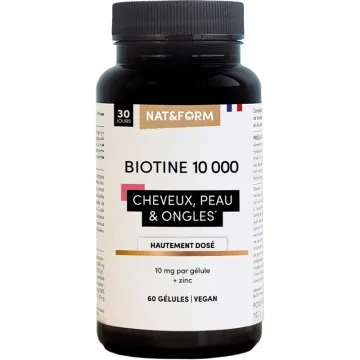
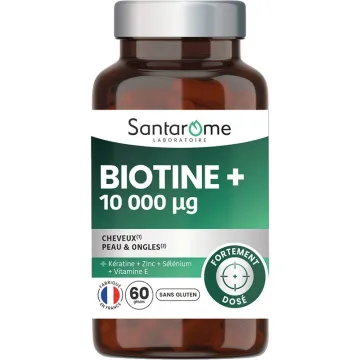
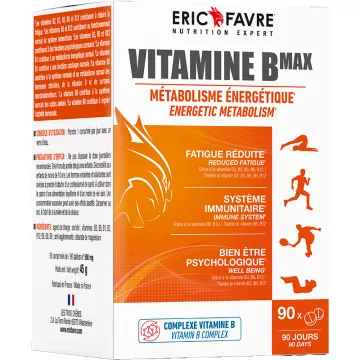
- Supplement forms and dosages: biotin alone — 300 to 1,000 µg/day for hair, nails, and skin health — 5,000 to 10,000 µg/day in certain intensive hair care formulas (no known toxicity but may cause false-positive blood test results) — as part of a B-complex — typically 150 to 300 µg/day — a more moderate dose but in the synergistic context of the 8 B vitamins
- Biotin and blood glucose: studies show that high doses of biotin (8,000 to 16,000 µg/day) improve insulin sensitivity and lower fasting blood glucose levels in people with type 2 diabetes — mechanism: activation of hepatic glucokinase (a key enzyme in glucose utilization)—biotin and chromium are sometimes combined in blood sugar-regulating formulas—to be used only under medical supervision in people with diabetes
- Duration of hair treatment: the first results on hair and nails appear after 3 to 6 months of regular supplementation — hair growth is slow (1 to 1.5 cm/month) — do not expect results in a few weeks — consistency is key
- Biotin + zinc + silica: the most commonly used hair/nail/skin combination most commonly used in practice — zinc enhances keratin synthesis — silica improves the elasticity and strength of hair fibers — biotin optimizes keratin production — sensitive skin also benefits from this combination when used alongside sensitive skin care products