What is vitamin B2, and why do mitochondria need it?
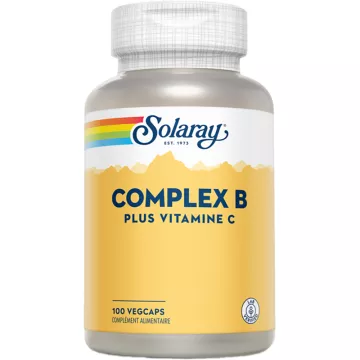
Vitamin B2 (riboflavin) is one of the most under-the-radar B vitamins—rarely mentioned on its own in advertisements—but it is biologically essential for energy production in every cell. What makes it unique is that it converts into two coenzymes, FMN (flavin mononucleotide) and FAD (flavin adenine dinucleotide), which are central to the mitochondrial respiratory chain. Without functional FAD and FMN, cells cannot properly “burn” fats, carbohydrates, and proteins to produce ATP. It is also a key cofactor in the production of vitamin B3 (NAD⁺) and active vitamin B6 —making it a central link in the B-vitamin network. The complete range of B vitamins is available in the store.
- FAD in the respiratory chain: FAD is reduced to FADH₂ during the β-oxidation of fatty acids and the Krebs cycle — FADH₂ then transfers its electrons to Complex II of the respiratory chain (succinate dehydrogenase) → ATP production — without B2, this transfer is compromised and energy production drops in tissues with high energy demand (heart, muscles, liver)
- Antioxidant via glutathione: glutathione reductase (an enzyme that regenerates oxidized glutathione into active glutathione—the “master antioxidant” ) is FAD-dependent—a B2 deficiency therefore indirectly reduces cellular antioxidant capacity, increasing vulnerability to oxidative stress—the synergy between B2 and vitamin C is particularly important for oxidative protection
- Cofactor in the conversion of other B vitamins: B2 is necessary for the conversion of B6 to P5P (the active form) and of tryptophan to B3—a B2 deficiency can therefore indirectly exacerbate B6 and B3 deficiencies, even if dietary intake of these vitamins is adequate
- Mucous membranes and skin: B2 is essential for the growth and repair of mucous membranes (mouth, digestive tract, respiratory tract) and skin cells—a deficiency quickly becomes apparent on the mucous membranes (angular stomatitis—cracks at the corners of the mouth, glossitis—red and swollen tongue, cheilitis—dry and flaky lips)
- RDA and requirements: Adult RDA = 1.3–1.6 mg/day — pregnant and breastfeeding women: 1.6–1.9 mg/day — endurance athletes: increased requirements (B2 plays a major role in oxidative metabolism during exercise)
Vision, eyes, and mucous membranes: the tissues most affected
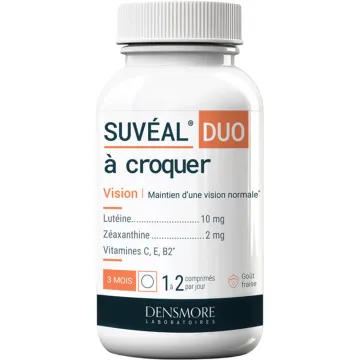
- Eye health: the cornea and lens are particularly dependent on B2 — the lens (transparent, avascular) relies entirely on glutathione for protection against oxidative stress — the FAD of lens glutathione reductase is theprimary antioxidant in the lens—a B2 deficiency is associated with an increased risk of cataracts in several epidemiological studies—photophobia (abnormal sensitivity to light) is a classic sign of B2 deficiency— vision supplements available in the store
- Ocular vascularization: Vitamin B2 plays a role in maintaining the integrity of the retinal blood vessels—bloodshot eyes, watery eyes, and a burning sensation in the eyes may indicate a vitamin B2 deficiency
- Digestive mucosa: Intestinal cells regenerate very rapidly (every 3–5 days) and have a constant need for B2—a B2 deficiency weakens the intestinal lining, which can reduce the absorption of other nutrients—the link between B2 and gut microbiota health is also being explored (B2 is produced by certain gut bacteria)
- Skin and hair: B2 supports keratin synthesis (along with biotin and zinc)—a deficiency can cause oily skin on the nose, forehead, and eyebrows (seborrhea) despite dry skin elsewhere—when combined with CoQ10, B2 enhances mitochondrial protection in the skin
400 mg of riboflavin for migraines: what the studies say
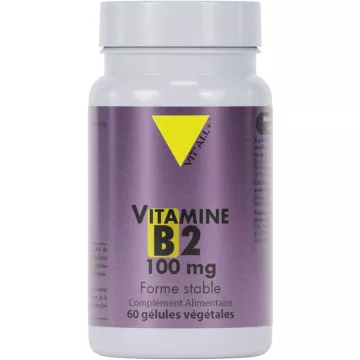
- Proven efficacy at high doses: Riboflavin is one of the few vitamins whose effectiveness in preventing migraines is supported by randomized clinical trials—the effective dose is 400 mg/day (well above the RDA of 1.3 mg)—probable mechanism: Migraine sufferers often have cerebral mitochondrial dysfunction—riboflavin improves oxidative phosphorylation and ATP production in neurons
- Clinical results: in the Schoenen study (1998)—the most frequently cited — 400 mg/day of riboflavin for 3 months reduced migraine frequency by 50% in 59% of patients — several meta-analyses confirm a significant reduction in attack frequency — time to onset of action: 2 to 3 months of regular treatment before effects are observed
- Tolerance at these doses: 400 mg of riboflavin is very well tolerated — the only notable side effect is a deep yellow coloration of the urine (riboflavinuria — harmless, simply a sign of excess being excreted) — no documented hepatotoxicity or neuropathy at this dose — completely different from the risks associated with vitamin B6 or vitamin B3
- Synergy with magnesium and CoQ10: the combination of 400 mg riboflavin + 400 mg magnesium + 100 mg CoQ10 is often recommended in natural protocols for migraine prevention — all three affect cerebral mitochondrial function — protocol documented in the French Society of Neurology’s recommendations for migraine sufferers — see the migraine page
Dietary sources, deficiency, and practical supplementation
- Richest sources: beef liver (2.7 mg/100 g—the most concentrated source)—chicken liver (1.5 mg/100 g)—brewer’s yeast (3.3 mg/100 g) — whole milk and yogurt (0.18 mg/100 mL — dairy products cover a significant portion of daily requirements) — cheese (0.4 mg/100 g) — almonds (0.65 mg/100 g — best plant-based source) — whole eggs (0.45 mg/100 g) — shiitake mushrooms (0.3 mg/100 g, cooked)
- Vegans and vegetarians: Dairy products and eggs are the main practical sources of B2—without these foods, intake may become insufficient—nutritional yeast (fortified with B2), almonds, mushrooms, and fortified grains are the best plant-based alternatives — a B-complex supplement containing B2 is often recommended for vegans
- What destroys riboflavin: Light (UV and visible light) is B2’s number one enemy—milk in clear bottles exposed to sunlight loses up to 70% of its B2 in 2 hours — pasteurization preserves B2 well (loss < 10%), but prolonged cooking in water dissolves it (since it is water-soluble) — store B2-rich foods away from light
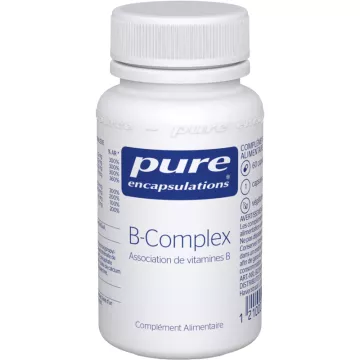
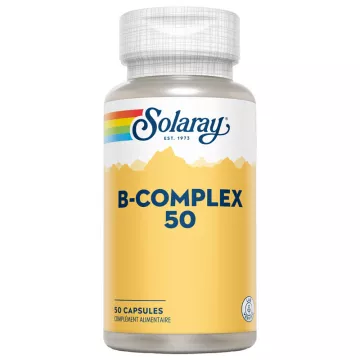
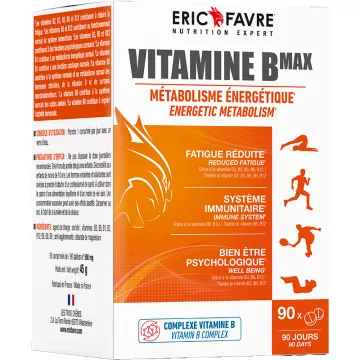
- Practical supplementation: standard B-complex → 1.5–3 mg/day of B2 (covers basic needs) — migraine prevention → 400 mg/day of riboflavin alone (to be taken with a meal to optimize absorption) — Neon-yellow urine at this dose is normal and expected — B vitamins available at the pharmacy through the online store include various combinations