
Vitality refers to the strength and zest for life—a concept that encompasses physical energy, mental alertness, emotional resilience, and the ability to adapt. It differs from simple energy (ATP production) or alertness (immediate availability) in that it has a deeper and more lasting dimension. A person with vitality recharges effectively, resists stressors, maintains a positive mood, and retains mental clarity over time. This underlying vitality depends on cellular integrity, intracellular micronutrient richness, the quality of restorative sleep, and the balance between exertion and recovery.
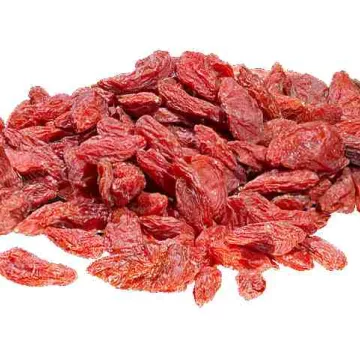
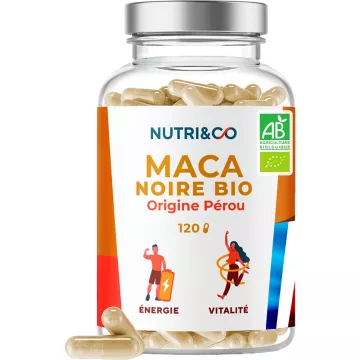
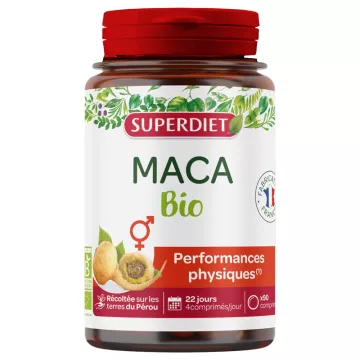
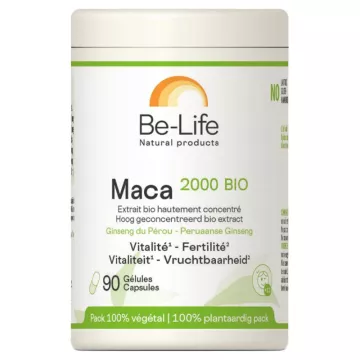
Two superfoods with documented adaptogenic properties. Goji (Lycium barbarum, LBP polysaccharides + zeaxanthin + betaine) improves energy, sleep, and mental clarity after 30 days of supplementation, according to Amagase et al. (2008). Moringa (Moringa oleifera) contains high concentrations of 9 essential amino acids, vitamins B, C, A, and E, calcium, iron, and magnesium in its dried leaves—making it one of the most nutritionally complete plants available in health food stores. Nutri&Co Organic Black Maca specifically targets physical and sexual vitality—black maca is well-documented for its effects on endurance and male libido.
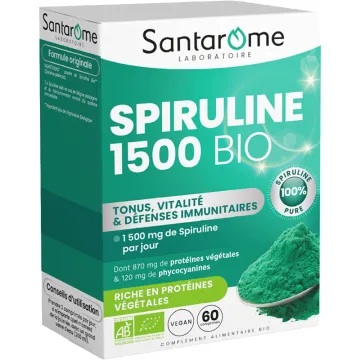
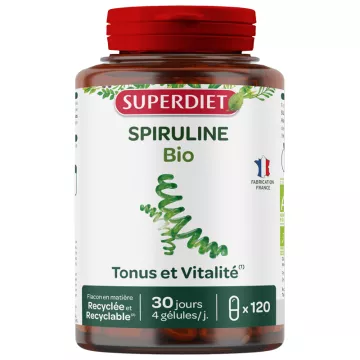
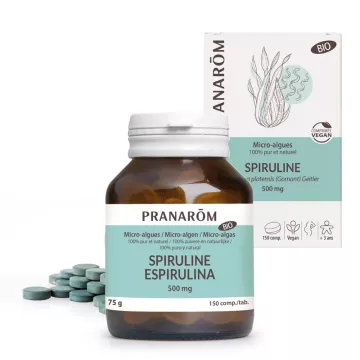
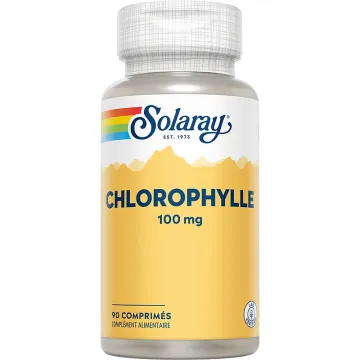
Two microalgae with complementary profiles. Spirulina (60–70% complete protein, bioavailable iron, the antioxidant phycocyanin, and B vitamins) is preferred for physical energy and muscle recovery — Santarome Organic Spirulina and Pranarom Spirulina 500 mg are two high-quality options. Chlorella (sporopollenin wall, ultra-concentrated chlorophyll, CGF, bioavailable B12) is superior for detoxification—it traps and chelates heavy metals and pesticide residues in the digestive tract. For optimal overall vitality, the combination of spirulina in the morning (energy) and chlorella in the evening (detoxification) provides a well-documented and well-tolerated synergy.
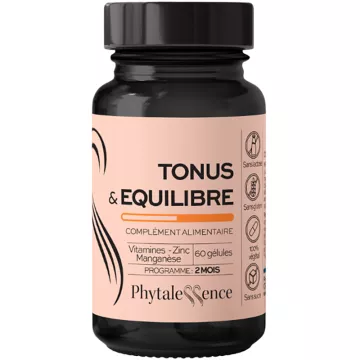
Two trace minerals essential for underlying vitality. Chromium (picolinate, 25–200 µg/day) is a cofactor for glucose tolerance factor (GTF)—it enhances insulin’s action in muscle cells, improving cellular glucose utilization. A deficiency leads to blood sugar instability (cravings, post-meal slumps) that gradually erodes daytime vitality. Manganese (2–5 mg/day) is a cofactor for mitochondrial Mn-SOD (the primary intramitochondrial antioxidant) and the enzymes of the Krebs cycle—a deficiency, though rare, is possible in people with highly refined diets and affects baseline cellular energy.
A gradual, isolated decline in vitality generally responds well to nutritional adjustments and lifestyle changes. Certain symptoms warrant a prior medical consultation: unintentional weight loss (>5% in 3 months), night sweats, swollen lymph nodes, severe asymmetric fatigue, rapidly developing cognitive impairment, or intense and persistent mood changes. These signs may indicate hypothyroidism, an inflammatory syndrome, severe anemia, or an early-stage neoplastic condition—situations in which supplementation alone would be insufficient and could potentially delay diagnosis.
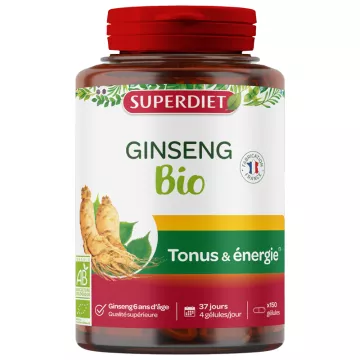
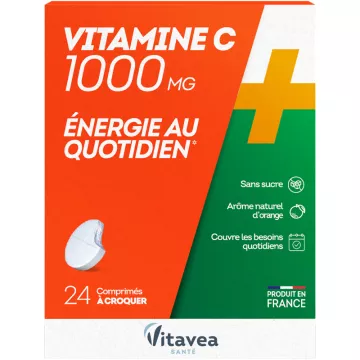
Lasting vitality depends as much on consistent daily rituals as it does on dietary supplements. In the morning: spirulina (3–5 g) + vitamin C + goji berries (or 30 ml of goji juice) + warm lemon water to stimulate digestion and liver function. Throughout the day: chromium with meals to stabilize blood sugar levels, omega-3 DHA for cognitive function. In the evening: chlorella (nighttime detoxification) + magnesium bisglycinate (muscle relaxation and deep sleep) + organic silicon (cellular integrity and membranes). Long-term: 6- to 8-week courses of adaptogens (maca, moringa, ginseng) with a one-month break. This gradual approach—nutritional adjustments + rituals + courses of treatment—provides the most effective framework for natural, lasting vitality.