What is the vegan lifestyle, and how does it differ from vegetarianism?
The vegan lifestyle goes beyond diet: it excludes all animal-derived products not only from the plate—meat, fish, dairy, eggs, honey, gelatin—but also in clothing (leather, wool, silk), cosmetics tested on animals, and household products derived from animals. Vegetarianism refers specifically to dietary choices; veganism is its extension to all consumer choices. This comprehensive ethical consistency is the primary reason why many people adopt this lifestyle, in addition to health and environmental motivations.
What are the benefits of veganism for cardiovascular health?
Epidemiological data show that a well-managed vegan diet reduces several cardiovascular risk factors:
- Lower LDL cholesterol, due to the absence of saturated fats of animal origin.
- Lower blood pressure, supported by a diet rich in potassium and fiber.
- Reduced systemic inflammation through plant-based antioxidants.
- Improved insulin sensitivity, reducing the risk of cardiovascular disease associated with type 2 diabetes.
These positive effects depend on the overall quality of the diet: a vegan who eats mainly ultra-processed plant-based foods will not reap these benefits.
What are the vegan alternatives to dairy products and animal proteins?
Plant-based substitutes now cover all nutritional and culinary needs:
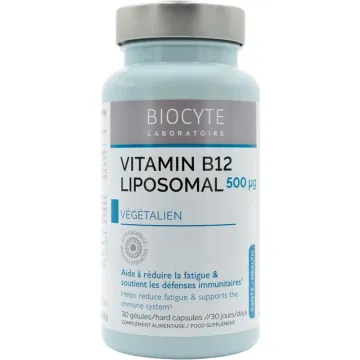
- Fortified plant-based milks (almond, soy, oat, coconut): provide calcium and, depending on the brand, vitamins D and B12.
- Yogurts and cheeses made from cashews, soy, or coconut.
- Tofu, tempeh, seitan, and legumes for protein.
- Vegan creatine supplements (derived from bacterial fermentation) for athletes.
- Collagen precursor supplements (vitamin C, lysine, glycine) as an alternative to marine sources.
Are vegan cosmetics as effective as conventional products?
Organic and vegan cosmetics (free of animal-derived ingredients and not tested on animals) have made significant strides in effectiveness in recent years. Plant-based active ingredients such as plant oils, plant extracts, fermented hyaluronic acid, and vitamin C from acerola offer results comparable to conventional formulas. Some vegan brands even offer superior performance for sensitive skin, thanks to the absence of endocrine disruptors and synthetic irritants. Checking for certifications (PETA, Leaping Bunny, Vegan Society) ensures the authenticity of the brand’s commitment.
Is a vegan diet suitable for athletes and sports enthusiasts?
Many elite athletes have adopted a vegan diet with documented results. The keys to performing well on a vegan diet:
- Meet your total caloric needs—which are often underestimated on this diet.
- Consume 1.6 to 2 g of protein per kilogram of body weight per day through legumes, tofu, and plant-based protein powders.
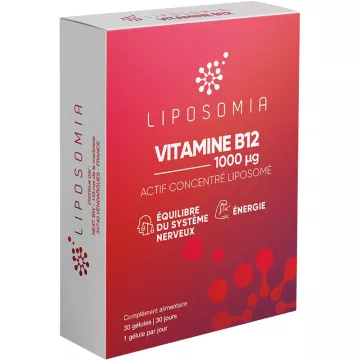
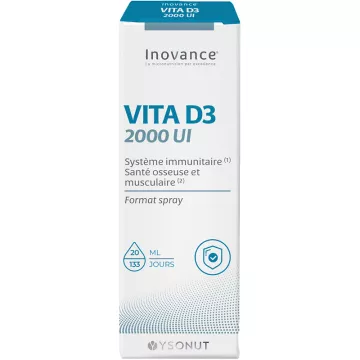
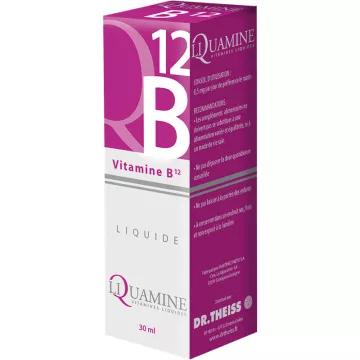
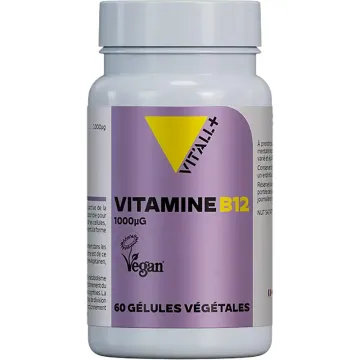
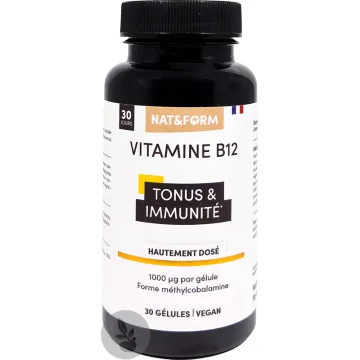
- Supplement with creatine, B12, vitamin D, and omega-3 DHA/EPA.
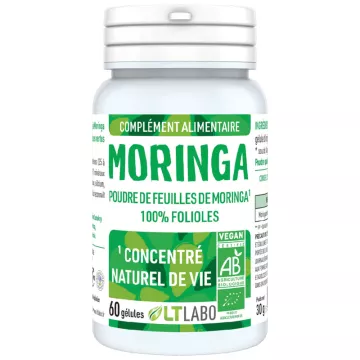
- Ensure adequate iron intake by combining vitamin C with plant-based sources of iron.
Muscle recovery and endurance are not compromised by a well-planned vegan diet. Hydration management and meal planning around workouts remain the same as with omnivorous approaches.
How to Start Living a Vegan Lifestyle?
Here are some practical steps for a successful transition:
- Start by gradually replacing one animal product at a time (first red meat, then poultry, then dairy).
- Explore naturally plant-based cuisines from around the world (Indian, Ethiopian, Japanese) to effortlessly diversify your meals.
- Invest in a few versatile ingredients: dried legumes, nuts, seeds, spices, and plant-based milks.
- Approach social gatherings with kindness: offering a vegan dish to share is often more convincing than any speech.