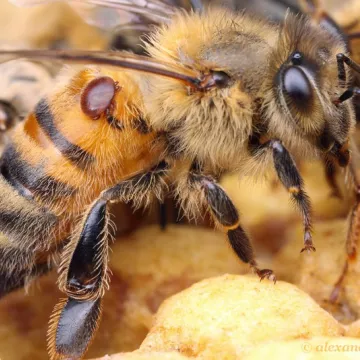
Varroa mite infestation is a parasitic disease caused by Varroa destructor, an external mite that infests honeybee colonies worldwide. This parasite reproduces in capped brood, feeds on the hemolymph of larvae and adult bees, and transmits devastating viruses such as the deformed wing virus and the acute paralysis virus. Without treatment, a heavily infested colony will collapse within 2 to 3 years. Varroa mite infestation is currently the leading cause of winter mortality in beehives across Europe, and its treatment is a regulatory requirement for all beekeepers in France. Propolis, a plant resin with antiseptic properties collected by bees, illustrates their natural ability to defend themselves against pathogens—but it is not enough to control Varroa.
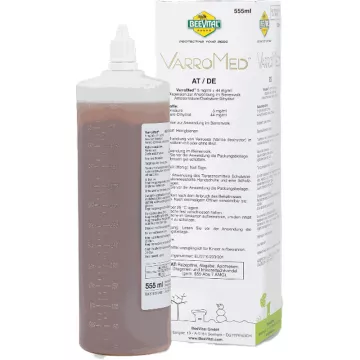
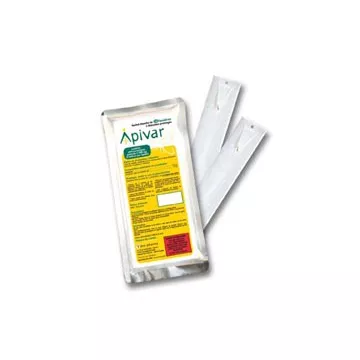
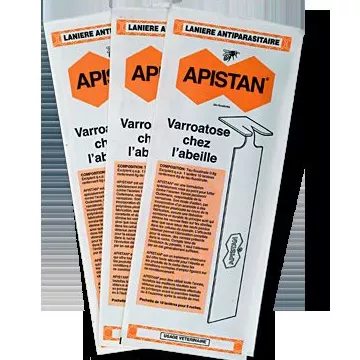
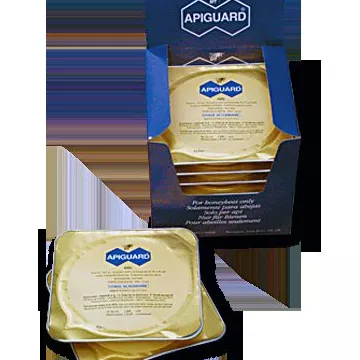
Two classes of veterinary drugs have marketing authorization in France for varroa mites:
These treatments are restricted to periods when honey is not actively ripening to prevent contamination. They require a veterinary prescription or traceability in accordance with regulations. Hive products (honey, wax) may be compromised if regulatory waiting periods are not observed.
Organic acids offer a valuable alternative to synthetic acaricides, particularly in organic beekeeping or when dealing with resistance. Oxalic acid (3.5% solution or gel) is used during overwintering without brood—applied directly to the bees or vaporized via hot sublimation; it is 90–95% effective against phoretic varroa mites but remains ineffective against capped varroa mites. Formic acid (60–65% solution) has the advantage of also being effective in capped brood—it is administered by slow evaporation over 3 to 4 weeks in late summer. Using them in combination provides more comprehensive coverage of the Varroa life cycle. Beeswax may bind trace amounts of organic acids, but at therapeutic concentrations, residues remain well below food safety thresholds.
Thymol (a natural phenol extracted from thyme) is the most widely used natural acaricide after organic acids. Marketed as a slow-release gel or impregnated strips combining thymol, eucalyptol, and camphor, it acts via vapor on phoretic Varroa mites and, to a lesser extent, on the brood. It is most effective between 15 and 30°C—below this range, evaporation is insufficient; above 35°C, the vapors can stress the bees. It is used in summer and fall in 4- to 6-week treatment cycles and is the treatment of choice in organic beekeeping, as it leaves no residue in honey or wax at therapeutic concentrations. Good beekeeping practices are part of a comprehensive approach to the health and well-being of all the animals for which we are responsible.
No single treatment is sufficient to control Varroa in the long term—an integrated strategy is essential. Regular monitoring of infestation levels (counting on the bottom board or using an alcohol test; intervention threshold: 3 Varroa mites per 100 bees in summer) allows for timely intervention. Alternating treatment classes (organic acids in winter, thymol in summer, conventional medications if necessary) limits the development of resistance. Trapping drone brood—where Varroa preferentially reproduces—is a complementary mechanical method. Selecting queens with hygienic behavior (the ability to detect and eliminate infested brood) is a promising long-term genetic approach. The care provided for pets and livestock follows the same logic of prevention and regular monitoring.
The treatment schedule is divided into two main phases. Summer treatment (July–August), carried out after the last honey harvest and before the birth of winter bees, aims to reduce infestation before the formation of the winter cluster—a critical period when a high Varroa mite load jeopardizes the colony’s survival. Winter treatment (December–January), when there is no capped brood, allows for the elimination of remaining phoretic Varroa mites with maximum effectiveness using oxalic acid. This twice-yearly treatment is the minimum recommended. In cases of high parasite pressure or the development of resistance, intermediate treatments may be necessary in consultation with a beekeeping advisor or veterinarian. Traceability of treatments (beekeeping log) is mandatory in France and serves as a valuable monitoring tool for adapting the strategy from one season to the next. If in doubt, contact a veterinarian or the beekeeping health protection group in your department.