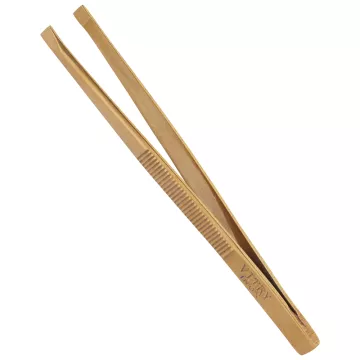
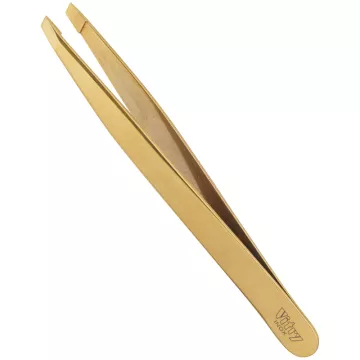
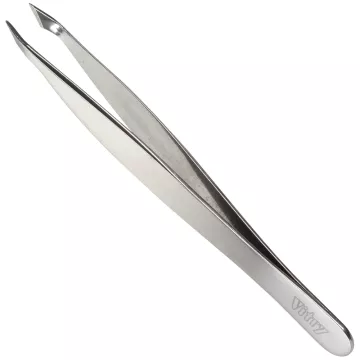
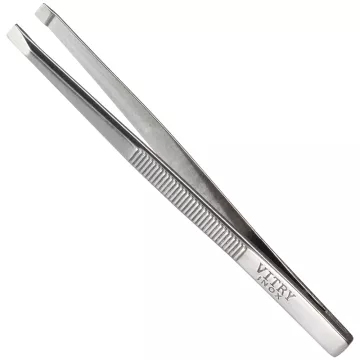
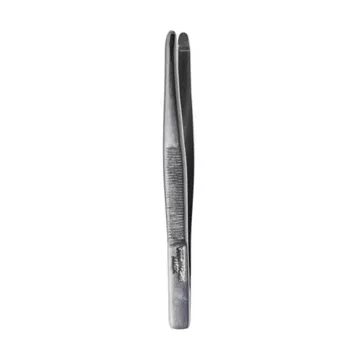
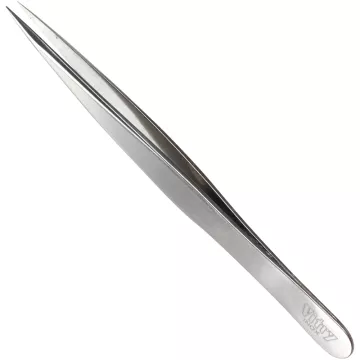
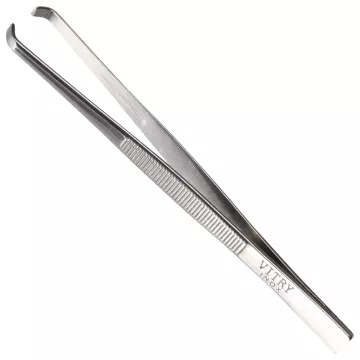
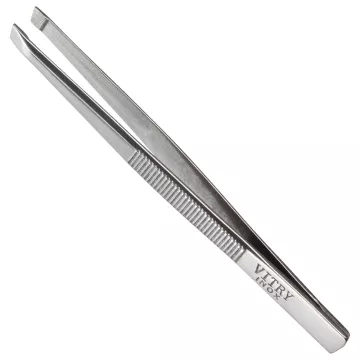
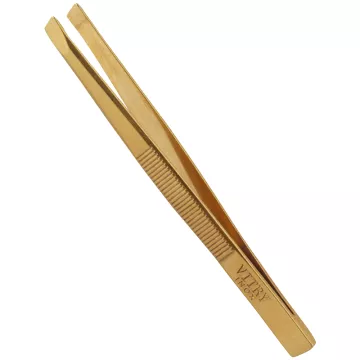
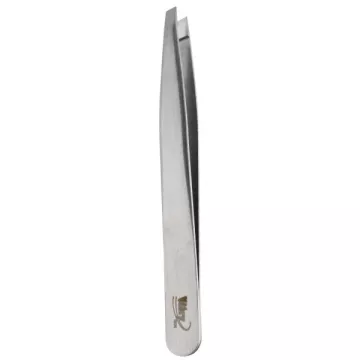
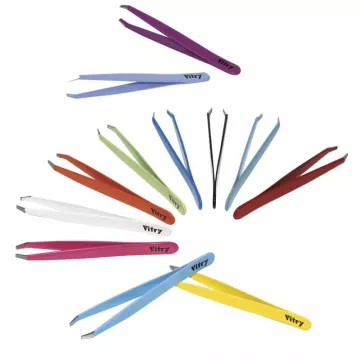
There are three main tip shapes, each designed for a specific purpose. Choosing the right tweezers for the area you’re treating is key to ensuring precision and a comfortable hair removal experience.
Fine-tipped tweezers are ideal for ingrown hairs, splinters, and very fine hairs, as they offer extreme precision on small areas. Beveled-tip tweezers combine precision with a firm grip: this is the go-to model for eyebrow shaping, versatile and easy for beginners to master. Flat- or straight-tipped tweezers are effective for removing thicker hairs and multiple hairs at once, which can be useful on larger areas. The full range is available in the “tweezers” category and the broader“hair removal” selection.
Choosing a pair of tweezers isn’t just about the shape of the tip. Several technical criteria distinguish a reliable pair from a low-end model whose precision quickly deteriorates.
For eyebrows, a pair of tweezers with a beveled tip remains the gold standard for its balance between precision and grip. Next, check the build quality: tips that are perfectly aligned when at rest, a balanced spring that provides pressure without causing hand strain, an inner surface of the handles free of burrs, and a corrosion-resistant surgical-grade stainless steel finish. A high-quality pair of tweezers produces a slight, crisp click when closed, indicating precise alignment of the tips. Opt for models made of medical-grade stainless steel (AISI 420 standard or equivalent) rather than plastic tweezers or cheap models whose tips become misaligned at the first drop. Several pharmacy brands offer reliable and durable models in their tweezers selection.
Proper technique and strict hygiene are essential for both achieving good results and preventing follicular micro-infections. A few simple steps make all the difference.
Before each use, disinfect the tweezers with a pad soaked in 70° alcohol or a skin antiseptic, paying particular attention to the tips. Prepare the skin by gently cleansing and drying it. Pinch the skin taut between the thumb and index finger of your free hand to make it easier to grasp the hair. Grasp the hair as close to the follicle as possible and pull it in the direction of growth to minimize pain and reduce the risk of the hair breaking off beneath the surface. Work hair by hair on the eyebrows, and step back regularly to check for symmetry. After plucking, apply a soothing lotion or treatment to calm the skin, especially on sensitive areas. A“razor burn”-like stinging sensation may occur on certain skin types and requires an appropriate soothing treatment.
Regular maintenance is essential for the long-term precision of the tweezers. Poorly maintained tweezers lose their alignment and grip and eventually end up pulling on the skin rather than the hair.
A few maintenance tips: Clean after each use with a pad soaked in 70° alcohol or chlorhexidine to remove sebum residue and bacteria. Dry them completely before storing to prevent oxidation and rust, especially on non-stainless steel models. Store them in a clean case or pouch in a dry place, away from metal objects that could chip the tips. Do not drop the tweezers: even a minor impact can misalign the tips and permanently compromise their precision. Thoroughly disinfect them once a month by fully submerging them in an antiseptic solution for 10 minutes, especially if the tweezers are shared among several household members.
Several common mistakes compromise both the aesthetic result and skin health. Avoiding them immediately improves the hair removal experience.
Plucking against the direction of hair growth increases pain and raises the risk of hairs breaking off under the skin, which causes ingrown hairs. Using excessive force or making jerky movements breaks the hair instead of removing it entirely with its root, which causes it to regrow more quickly and weakens the skin. Failing to disinfect the tweezers between uses promotes bacterial folliculitis. Using tweezers for inappropriate tasks (removing metal shavings, handling hard objects, prying open plastic) damages the tips and compromises precision.Excessive eyebrowplucking, particularly against the natural arch, can lead to long-term thinning of regrowth and asymmetries that are difficult to correct.
The timing of hair removal affects both comfort and the quality of the removal. Certain times are best for minimizing pain and improving results.
Plucking after a hot shower or bath remains the classic recommendation: the heat dilates the follicular openings and softens the skin, making it easier to remove the hair. Avoid times when the skin is under stress (just before a woman’s period, after intense sun exposure, or on skin that has recently been exfoliated with a highly acidic product), as these can amplify the sensation of pain. It’s best to do more thorough hair removal in the evening, so the skin can recover overnight. Plan ahead for important events by removing hair 24 to 48 hours in advance to allow any redness time to fade. Work in natural light or under neutral lighting to clearly see the area being treated and ensure symmetry.
Ingrown hairs are the most common side effect of tweezing. Several simple steps can significantly reduce their occurrence.
Exfoliate the skin regularly (1 to 2 times a week, depending on skin sensitivity) with a gentle exfoliant to remove dead skin cells that can trap the hair beneath the epidermis. Opt for gentle mechanical or enzymaticexfoliation on sensitive areas. Moisturize the hair-removal areas daily to maintain skin suppleness and help the hairs emerge. Pull the hair in the direction of growth and as close to the follicle as possible to minimize subcutaneous breakage. Avoid diagonal or sideways movements that snap the hair beneath the skin. If an ingrown hair has already formed, avoid digging into the skin with tweezers: apply a soothing treatment, gently exfoliate, and wait for the hair to surface naturally before removing it. Sensitive skin or skin prone to keratosis requires a particularly gentle and consistent routine.
Although tweezers are primarily intended for eyebrows and small facial hairs, they can occasionally be used on other areas, with a few precautions tailored to each specific area.
For eyebrows and the upper lip area, tweezing remains the gold standard due to its control and precision. On the underarms and bikini line, they can be used for targeted touch-ups between main hair removal sessions (waxing, IPL), but are not well-suited for complete hair removal due to the increased sensitivity of these areas and the time required for the procedure. For these sensitive areas, choose very high-quality tweezers with perfectly aligned tips, and apply a soothing treatment after hair removal to prevent redness and tightness. For larger areas, depilatory cream or other suitable methods remain more appropriate than tweezers. Avoid using tweezers in the immediate vicinity of mucous membranes (inside the nose, eyelids) due to the risk of injury and bleeding.
A high-quality pair of tweezers can last several years, provided they are properly maintained. However, there are several signs that indicate it’s time to consider replacing them.
The main indicators are: tips that no longer close properly (visible gap between the tips when closed), blunted tips visible under a magnifying glass or noticeable due to reduced precision when grasping hairs, the appearance of rust or oxidation spots on the stainless steel, spring deformation leading to asymmetrical closure, and less satisfactory results requiring multiple attempts per hair. Using dull tweezers isn’t just ineffective: it increases pain, is more likely to snap the hair beneath the skin (resulting in ingrown hairs), and can damage the follicle. A new, high-quality pair of tweezers is a modest investment compared to the comfort you’ll regain.
Several eyebrow hair removal techniques exist as complements or alternatives to tweezers. Each has its own advantages and limitations, which should be weighed based on skin sensitivity, budget, and the desired result.
Threading uses a twisted cotton thread that captures several hairs at once; this technique, which originated in the East, offers remarkable precision along the contours and is suitable for sensitive skin not covered in thick vellus hair. Hot or warm wax removes several hairs in a single stroke; it is more effective for large areas but less precise when shaping the fine details of the eyebrow; it can be more painful on sensitive skin. Laser or intense pulsed light (IPL) treatments offer long-lasting results, but are only suitable for dark hairs on fair skin and require strict professional supervision. Microblading and eyebrow dermopigmentation are semi-permanent cosmetic tattooing techniques that define or thicken the eyebrow; they must be performed exclusively by a certified professional under sterile, hygienic conditions. Regardless of the method, a preliminary test and a waiting period between sessions are still recommended.