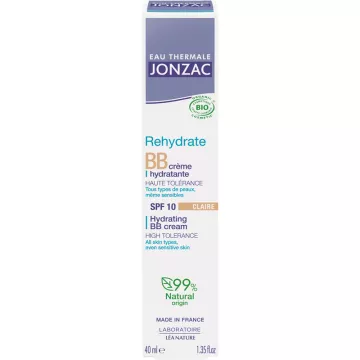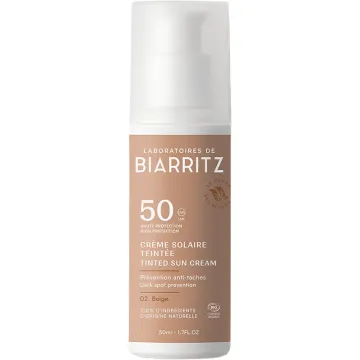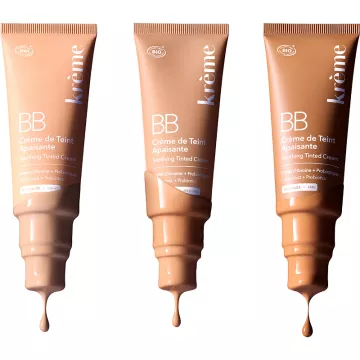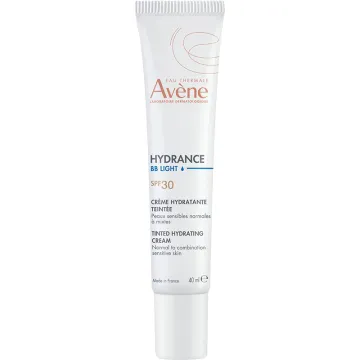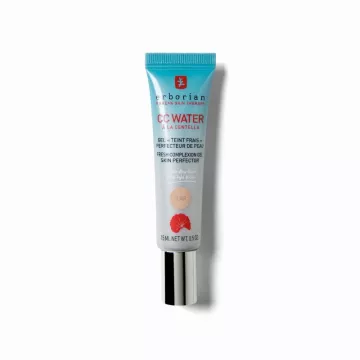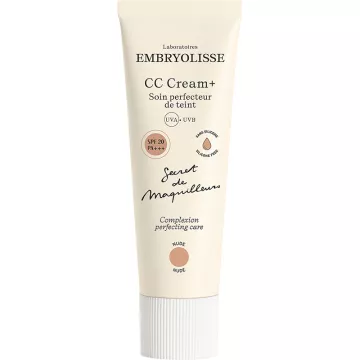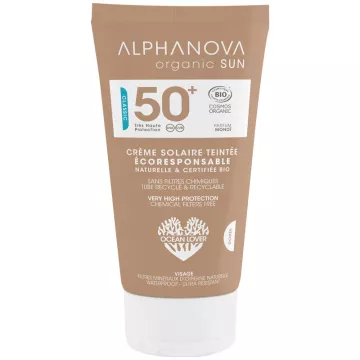
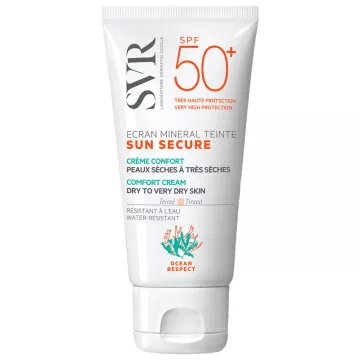
Tinted moisturizer is a hybrid skincare product that combines the hydration of a traditional moisturizer with light pigment coverage to even out the complexion.
Unlike a traditional moisturizer, which focuses onhydration and skin nourishment, a tinted moisturizer contains pigments that help cover minor imperfections and create a more even complexion.
This product is popular for simplifying your beauty routine while providing an enhanced, natural “bare-skin” look.
Its light, buildable coverage makes it an appealing compromise between pure skincare and light makeup.
Choosing the right shade of tinted moisturizer is essential for a natural-looking result.
Ideally, test the product on your jawline to see how it blends with your natural skin tone in daylight.
The ideal shade blends seamlessly into the skin, with no visible line between the neck and face.
Fair skin: porcelain or ivory shades; medium skin: beige or sand; dark skin: caramel, golden, or ebony, depending on whether the undertone is warm or cool.
Daily use of a tinted moisturizer can offer several combined benefits:
The SPF in a tinted moisturizer is insufficient for prolonged sun exposure. For the beach, sports, or extended time outdoors, follow up with a dedicated sunscreen with an SPF of at least 30.
To effectively incorporate a tinted moisturizer, structure your routine into several consecutive steps.
Start by cleansing your skin with a product suited to your skin type, then apply a serum or moisturizer based on your specific needs.
Next, apply the tinted moisturizer evenly to your face using your fingers, a brush, or a slightly damp sponge.
If desired, set it with a light powder for longer-lasting wear, especially in hot weather or for combination skin.
Several active ingredients enhance the cosmetic effectiveness of a tinted moisturizer:
Vitamin C should be stored away from light to maintain its stability; check the INCI list for any allergens based on your sensitivity.
Tinted moisturizer can indeed replace traditional foundation for light, natural coverage in your daily routine.
Designed to even out skin tone without a “mask-like” effect, it’s perfect for simplified organic or minimalist makeup routines.
For heavier coverage (scars, noticeable dark spots, special occasions), a traditional foundation is still preferable.
The two products can also be combined: use tinted moisturizer as a base and foundation for spot touch-ups on areas that need coverage.
Tinted moisturizers come in formulas suited to most skin types: oily, dry, combination, or sensitive.
Choose a product based on your specific needs: oily skin → non-comedogenic and mattifying formulas; dry skin → rich, intensely moisturizing textures.
For sensitive skin, opt for formulas that are fragrance-free, denatured alcohol-free, and dermatologically tested.
Perform a skin test on the inside of your elbow 48 hours before first use, especially if you have allergic or highly reactive skin.
For best results, prepare your skin by cleansing it and then applying your usual skincare products (serum, moisturizer).
Then apply a small amount of the tinted cream, starting at the center of the face and blending outward.
Carefully blend the edges (hairline, jawline, neck) to avoid visible lines in daylight.
A brush or damp sponge helps achieve a more even, professional finish; using your fingers warms the product for a more seamless application.
The shelf life of a tinted moisturizer after opening is generally 12 to 18 months, depending on the formula.
Store the product in a cool, dry place, away from direct sunlight and temperature fluctuations.
Close the container tightly after each use to minimize oxidation and microbial contamination.
Always check the PAO symbol (open jar + number + M) on the packaging, which indicates the shelf life after opening.
Many tinted moisturizers contain a sun protection factor (SPF 15, 20, 30, or even 50), but the level of protection is limited in practice.
For daily indirect sun exposure (office, short trips), a built-in SPF of 15 to 30 may be sufficient on its own.
For prolonged or direct sun exposure (beach, skiing, outdoor sports, hiking), always follow up with a dedicated sunscreen with an SPF of at least 30, applied as the first step.
The standard amount of tinted cream applied is less than the recommended dose for SPF (approximately 2 mg/cm², or ¼ teaspoon for the face): the actual protection provided is therefore lower than the stated SPF.