What is thermogenesis, and how does it affect metabolism?
Thermogenesis is the body’s production of heat resulting from the combustion of energy substrates (carbohydrates, fats, and proteins). It accounts for a significant portion of total energy expenditure and plays a direct role in weight management. There are three types:
- Non-voluntary thermogenesis: heat production that is essential for maintaining vital functions (respiration, circulation, ionic homeostasis)—accounts for 60 to 70% of total energy expenditure.
- Diet-induced thermogenesis (thermic effect of food): energy expended to digest and metabolize nutrients—5 to 30% depending on the macronutrients (proteins have the highest thermic effect: 20–30%).
- Adaptive thermogenesis: metabolic adjustments in response to cold, stress, or dietary variations, particularly via brown adipose tissue.
Which foods and spices stimulate thermogenesis?
Certain foods increase energy expenditure through direct mechanisms:
- Ginger: Its gingerols and shogaols stimulate thermogenesis and improve insulin sensitivity. When consumed regularly, it can increase metabolic rate by 5–10%.
- Black pepper: Piperine inhibits the formation of new fat cells and improves the bioavailability of other thermogenic compounds (curcumin, caffeine).
- Cinnamon: improves insulin sensitivity and cellular glucose uptake, reducing fat storage.
- Chili pepper (capsaicin): activates TRPV1 receptors, which stimulate the release of catecholamines and increase fat oxidation.
- Green tea and coffee: Caffeine and catechins increase thermogenesis by 3 to 11% for several hours.
What role do hormones play in thermogenesis?
Thyroid hormones (T3, T4) are the primary regulators of basal thermogenesis: they increase the expression of uncoupling proteins (UCP1) in brown adipose tissue and raise basal metabolism by 20 to 40%. Hypothyroidism reduces thermogenesis and promotes weight gain. Catecholamines (adrenaline, norepinephrine), released during exercise or stress, acutely activate lipolysis and brown thermogenesis. Regular physical activity sensitizes beta-adrenergic receptors and maintains a high thermogenic response over the long term, supporting cardiovascular health.
How can thermogenesis be optimized based on age?
Basal thermogenesis decreases with age due to loss of muscle mass (sarcopenia) and a decline in thyroid and sex hormones. Here are some effective strategies:
- Maintain muscle mass through strength training: muscle at rest burns more calories than fat tissue.
- Ensure adequate protein intake (1.2 to 1.6 g/kg/day after age 50) to limit sarcopenia.
- Ensure adequate intake of iron and vitamin B12 —two nutrients whose deficiency, common with age, impairs mitochondrial energy production and reduces thermogenesis.
- Engage in brief exposure to cold (cold showers, winter walks) to activate residual brown adipose tissue.
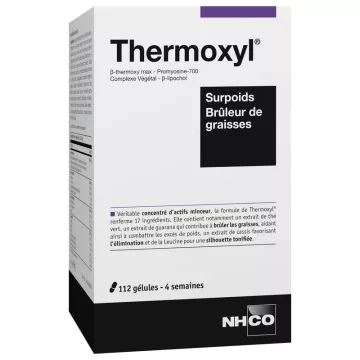
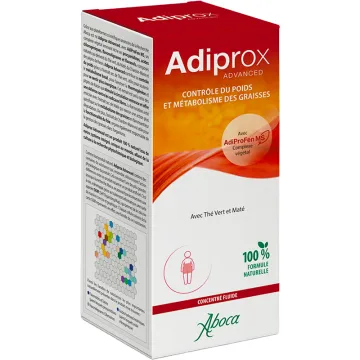
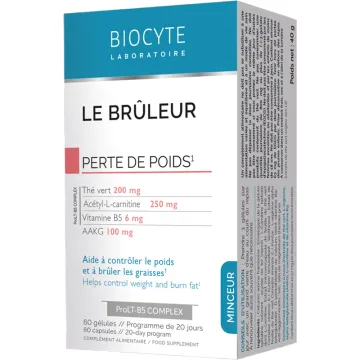
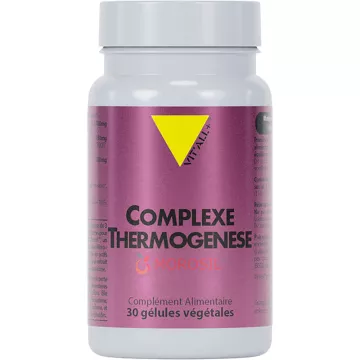
Which thermogenic supplements are well-documented and safe?
Certain supplements have documented benefits, provided they are used under medical supervision:
- Caffeine (coffee, green tea, guarana): one of the best-documented thermogenic agents. Contraindicated in cases of heart rhythm disorders, anxiety, or insomnia.
- L-carnitine: facilitates the oxidation of mitochondrial fatty acids, particularly during prolonged aerobic exercise.
- Capsaicin: stimulates TRPV1 receptors and increases lipid oxidation without significant cardiovascular effects at dietary doses.
Formulas combining multiple thermogenic agents at high doses may cause tachycardia, hypertension, and anxiety. Medical advice is essential for anyone with a history of cardiovascular disease.