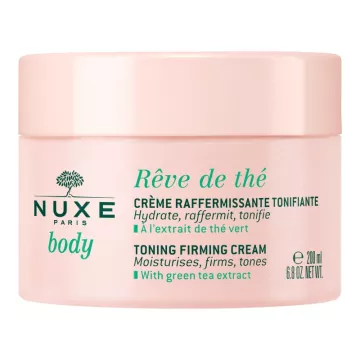
What is the firming effect, and how does it work on the skin?
The tightening effect refers to a cosmetic product’s ability to provide an immediate or gradual sensation of firmer, more toned, and less sagging skin. There are two distinct mechanisms:
- Immediate firming effect (film-forming): A substance forms an invisible polymer film as it dries on the skin, which contracts mechanically and visually “lifts” the skin. This effect lasts 6 to 8 hours and wears off when washed off. It is used in instant anti-wrinkle serums and lifting makeup primers.
- Progressive tightening effect (biological): active ingredients such as peptides, retinol, and centella asiatica stimulate collagen and elastin synthesis over 4 to 12 weeks, providing a lasting improvement in skin density and elasticity.
Loss of elasticity and lack of firmness can be treated using these two approaches, depending on the urgency of the cosmetic concern and long-term goals.
Which film-forming active ingredients provide the best immediate tightening effect?
The most effective immediate skin-tightening agents are based on natural or synthetic polymers:
- Egg white (albumin): the gold standard among natural tightening agents. As it dries, it forms a protein film that visibly tightens pores and smooths fine lines.
- White clay (kaolin): forms an absorbent, slightly tightening film as it dries—the basis for DIY tightening masks.
- Colloidal silica: a mineral polymer that forms an invisible mesh on the skin, reducing the appearance of surface fine lines.
- DMAE (dimethylaminoethanol): a precursor to acetylcholine, it improves subcutaneous muscle tone and provides a distinctive, progressive tightening effect.
Which active ingredients produce a long-lasting, progressive firming effect?
For deep biological firming:
- Signaling peptides (Matrixyl, Argireline): activate fibroblasts to produce collagen and elastin—visible results in 8–12 weeks.
- Retinol (0.025–0.1%): the only anti-aging active ingredient proven to improve dermal density and reduce fine lines through cellular stimulation.
- Spirulina: rich in phycocyanins and amino acids, it stimulates collagen synthesis and protects elastin fibers from oxidative stress.
- Organic silicon (silica): an essential cofactor for the synthesis of collagen and connective tissue—often deficient with age.
How should you apply a firming treatment to maximize its effectiveness?
The application technique determines the results:
- Apply to clean, dry skin (slightly damp for hyaluronic acid serums; dry for film-forming firming treatments).
- Use upward, lifting motions—never downward—as downward movements significantly worsen skin sagging.
- Let it dry for 2–3 minutes before applying cream for film-forming firming treatments—applying another layer too soon breaks down the film.
- Morning: instant firming treatment + cream + SPF for an all-day lifting effect. Evening: peptides + retinol for the nighttime biological effect.
What is the connection between the tightening effect and non-surgical lifting?
Cosmetic firming effects and non-invasive lifting techniques complement each other:
- Daily topical firming treatments: maintenance and prevention, with subtle but cumulative effects over 3 to 6 months.
- Radiofrequency and HIFU: deep effects on the SMAS and collagen synthesis—1 to 2 sessions per year.
- Absorbable thread lifts: mechanical lifting with progressive fibrotic stimulation—lasts 12 to 18 months.
- Botulinum toxin: muscle relaxation that reduces fine expression lines—complementary to skin-tightening treatments in areas prone to expression lines.
The combination of daily topical tightening treatments, annual professional sessions, and sun protection constitutes the most rational long-term anti-aging program.