Blood pressure refers to the force exerted by blood against the walls of the arteries as it circulates. It is measured using two values: systolic pressure (when the heart contracts and pumps blood out) and diastolic pressure (when the heart relaxes between beats). Normal blood pressure is generally below 120/80 mmHg. Readings consistently above 140/90 mmHg are defined ashigh blood pressure, while readings significantly below normal (generally < 90/60 mmHg with symptoms) characterize hypotension.
For a reliable home reading, use a validated electronic blood pressure monitor; take the measurement while at rest after sitting for 5 minutes with your arm supported at heart level, and avoid drinking coffee or smoking for at least 30 minutes beforehand. It is recommended to take several measurements at different times of the day rather than a single measurement, as blood pressure naturally fluctuates throughout the day.
Many factors influence blood pressure; some are modifiable, while others are not:
During pregnancy, regular monitoring of blood pressure is essential—elevated blood pressure may indicate preeclampsia, a potentially serious complication requiring close medical supervision.
For people whose blood pressure remains within normal to slightly elevated ranges, several lifestyle changes can help keep it balanced. Regular physical activity (150 minutes per week of moderate-intensity exercise, according to the WHO) improves endothelial function and reduces peripheral vascular resistance. Stress management through breathing and relaxation techniques reduces chronic sympathetic activation. Limiting salt intake (less than 5 g/day according to the WHO) and alcohol consumption, along with a diet rich in fruits and vegetables, supports vascular balance.
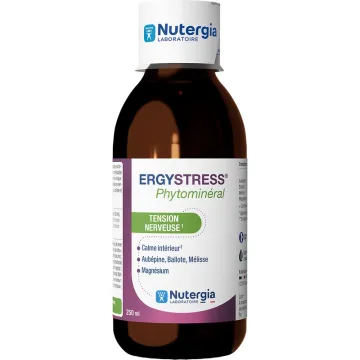
In terms of natural supplements, magnesium bisglycinate (300 mg/day) helps regulate vascular tone and smooth muscle contraction in the arteries. Omega-3 EPA-DHA (1 to 3 g/day—EFSA claim) helps maintain normal cardiovascular function.Hawthorn (Crataegus—standardized flavonoids) is traditionally used in herbal medicine to support cardiovascular balance.Olive (leaves—standardized oleuropein) has properties traditionally recognized for supporting blood pressure. These supplements are never a substitute for medication prescribed for diagnosed hypertension—any abnormal blood pressure reading, measured on multiple occasions, requires a medical consultation for proper diagnosis and follow-up.