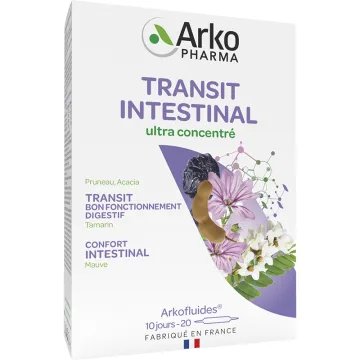
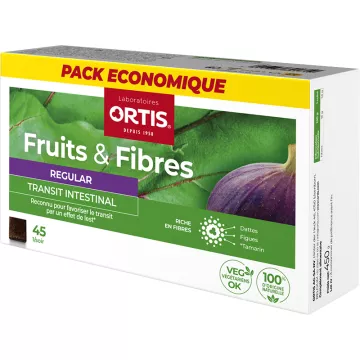
Tamarind (Tamarindus indica) is a tropical tree in the legume family; the pulp from its pods is used in herbal medicine to promote intestinal transit. The pulp is rich in tartaric acid (9–14%, which gives it its tart flavor), malic acid, pectins (soluble fiber), and natural sugars. Tartaric acid and pectins exert a mild osmotic laxative effect—by retaining water in the colonic lumen, they soften stools and stimulate peristalsis without irritating the intestinal mucosa. This osmotic action distinguishes it from stimulant laxatives (senna, buckthorn—which activate nerve receptors in the colon and can be habit-forming) and bulk-forming laxatives (psyllium). Tamarind also contains vitamin B3 (niacin), thiamine (B1), and potassium.
Tamarind is one of the best-tolerated natural laxatives for occasional mild to moderate constipation. Its osmotic mechanism produces an effect within 6 to 12 hours—more gradual than stimulant laxatives and faster than psyllium. Available forms include:
Do not use continuously without medical advice—a dependency on laxatives can develop regardless of the type.
Paradoxically, tamarind is traditionally used in small doses to treat diarrhea in India and Africa—its tannins (found in the leaves and bark) have an astringent effect on the intestinal lining, which reduces motility and hypersecretion. This biphasic action (laxative at high doses, anti-diarrheal at low doses) is typical of plants rich in tannins and soluble fiber. In modern herbal medicine, it is the osmotic laxative action that is harnessed in formulas designed to promote bowel movement.
Tamarind is used in traditional Ayurvedic and African medicine for its hepatoprotective and detoxifying properties. Experimental studies show that its extracts reduce markers of liver toxicity (ALT, AST) and exert an antioxidant effect on liver cells. Its tartaric acid is a natural chelator of heavy metals (including fluoride in areas with high levels of natural contamination). Pectins facilitate the elimination of bile cholesterol by binding to bile acids—a mechanism for reducing LDL similar to that of oat beta-glucan. Tamarind’s liver-protective effects are part of a holistic approach to detoxification, which should be combined with adequate hydration and a reduction in saturated fat intake.
For digestive health support, combination formulas (Santé Verte Transit Confort, Vegetransit) combine tamarind pulp with prune fiber (osmotic sorbitol), fig extract, and—for cases of severe constipation—senna. These formulas are used as a short-term treatment (5 to 10 days maximum for formulas containing senna). For liver detox regimens, tamarind alone or combined with liver-supporting herbs (artichoke, milk thistle) is recommended as a 3-week treatment. People with diabetes who use formulas rich in tamarind pulp should monitor their blood sugar levels —the pulp contains 50–60 g of natural sugars per 100 g.